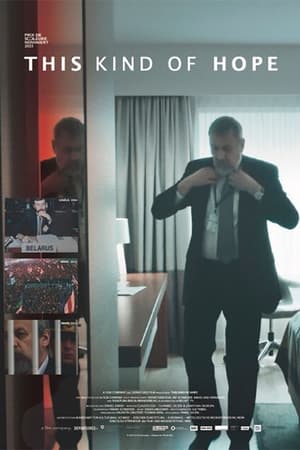
As a diplomat, Andrei Sannikov was instrumental in Belarus' nuclear disarmament in the 1990s. Under dictator Lukashenko, he resigned from the civil service and began the fight for a democratic Belarus, which cost the lives of companions and landed him in prison for a time.
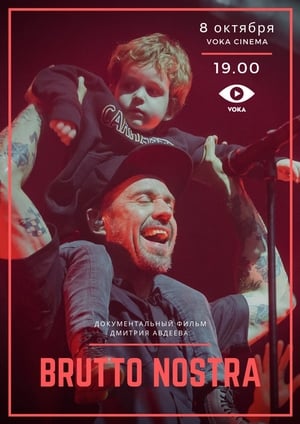
Brutto Nostra
Farben im Schnee
Yanka Kupala, Belarusian poet and writer, is one of the spiritual symbols of Belarus. He did everything to make Belarusians feel like a full-fledged people. This is a figure that cannot be reduced by anything from the height of modernity. But the weight of recognition, inclusion in the ranks of the classics leads to petrification of the face. The authors of the film remove this petrification - verses sound throughout the film. Patriotic songs that sing the praises of Belarus and our people, awaken them from historical apathy and eternal longing. Mystics who whisper about the revival of the past that sleeps in the mound. And intimate and lyrical, filled with intimate beauty, eternal sensuality and lust for life.
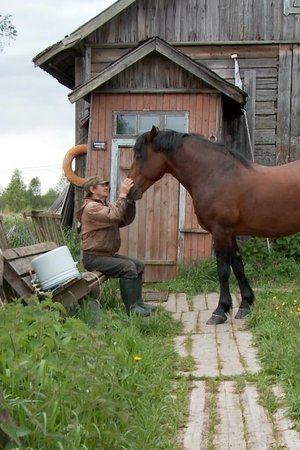
Two men, a Finn and a Belarusian live alone, on a lake's island.
Between 1930 and 1945, Eastern Europe experienced mass violence on an unprecedented scale. Hitler and Stalin exploited the vast region for their respective expansionist plans. It is estimated that around 14 million civilians were murdered—primarily Jews, Poles, Balts, Belarusians, and Ukrainians.
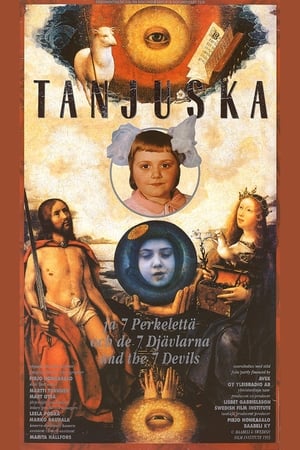
A documentary about Tanjuska who is a 12-year-old White-Russian schoolgirl, with a face like an icon. Two years ago she stopped eating, then talking and finally she stopped growing. The village priest in Estonia has explained to the family that seven devils have made a home inside Tanjuska. These devils are giving her orders and only a daily ceremony can force the devils to leave the girl.
Mothers and fathers of gay, lesbian, and trans children from Georgia, Moldova, Russia, and Ukraine travel to Berlin to walk together in the Pride parade. Living under one roof, they prepare for the march — painting signs, cooking borscht, and reflecting on how their relationships with their queer children have evolved over the years.
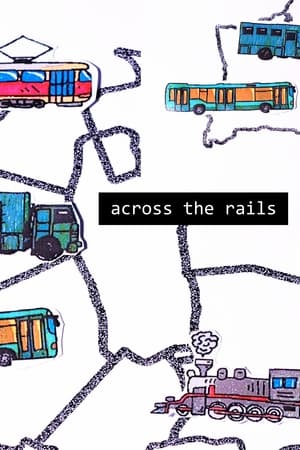
2021 was a turning point for Belarus and 6 Belarusian students - as well as for the city of Łódź, Poland, in which they found themselves. Across the rails of change and transformation, documenting a time that has not been before and will not repeat again. Heroes of the film have very different fates and experiences, but they are all connected by the place they found themselves in - the post-industrial and post-apocalyptic city, which becomes a part of their story and a hero of its own. Students, transport, quaters, youth, revolution, local apocalypse, changes and turns - they all mix in a documentary kaleidoscope 'Across the Rails'.
One of the five-part documentary series by Belarusian writer and director Viktor Dashuk, which recounts the horrors experienced by the Belarusian people during World War II, through firsthand accounts of survivors and newsreel footage.
A journey through a place of an eternal past; where the grandson of a Jewish partisan sets out to experience the dramatic events and places that shaped his grandfather's war years
In a remote village in Kyrgyzstan, the paths of an immigrant filmmaker from Belarus and a spirited ten-year-old local girl intersect, unfolding an intimate and visually rich cinematic journey. “I Lit the Fire!” premiered at Doclisboa 25, where it received an Honourable Mention from the Green Years jury — recognition for its poetic approach and strong visual storytelling. In 2026, the film received the Grand Prize for Best Film at Punto de Vista — International Documentary Film Festival of Navarra.
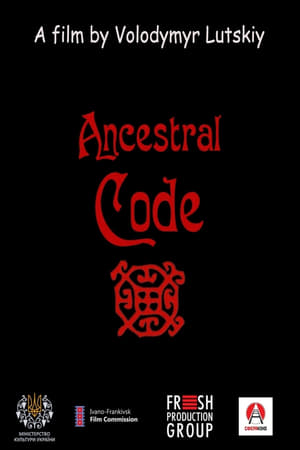
The documentary film ANCESTRAL CODE is a research into the origins of the Ukrainian and Belarusian peoples, the search for their identity through the study of the melodism of Slavic ethnographic heritage. Nowadays many people talk about brotherhood, spiritual intimacy, affinity. The authors analyze the connection between the neighboring peoples of Ukraine, Lithuania, Belarus and Poland through music and folklore.
And So Lives Belarus
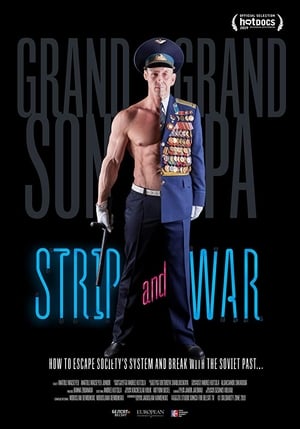
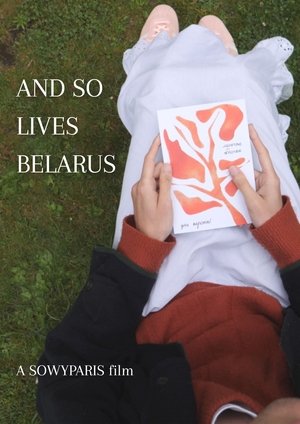
The film tells the story of a small family, consisting of a grandfather retired from the army, and his stripper grandson. It is not just a story of a relationship, but rather a reflection of entire Belarus and the post-Soviet, pro-Russian world. Moreover, it's a universally-recognized reflection of a generation gap.
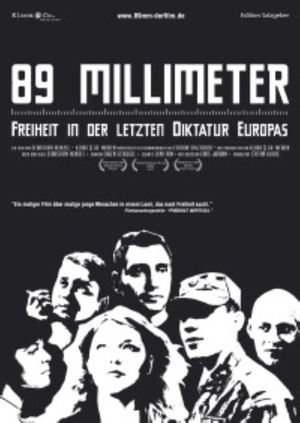
It’s the last dictatorship of Europe, caught in a Soviet time-warp, where the secret police is still called the KGB and the president rules by fear. Disappearances, political assassinations, waves of repression and mass arrests are all regular occurances. But while half of Belarus moves closer to Russia, the other half is trying to resist…
Victor Asliuk's contrast of rural and urban life in Belarus examines the tangible differences between the young in the city and the elderly in the village and between modernity and tradition, interspersing modern images with archive material depicting the countryside as it used to be.
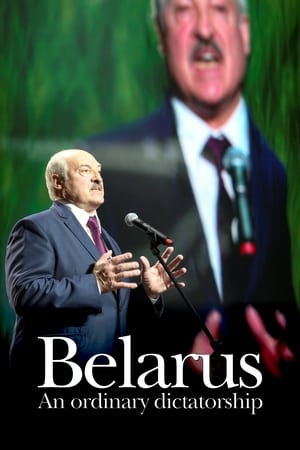
A documentary that sheds light on the real lives of people in Belarus. They live in Europe's last dictatorship.
A propaganda documentary on the post war reconstruction of Miensk, capital of Belarus.
A group of students finds themselves in an academic environment, which hides a terrifiying danger. Should they stay? Where to expect a menace from? What would happen if they try to leave? Students are forced to find it all out by themselves, without getting any hints.