Here, where even monsters are political, the topography has its own memory. It has the mythological blues. Meanwhile, old gods are upset with us, and I am upset with my father.
A talented group of orphaned children in Swaziland create a fictional heroine and send her on a dangerous quest.
A woman goes about her day while she reminisces on her deceptive ex-husband.
Humans are story-telling creatures. By thinking, we all unconsciously "author" a self-story in our heads. Most often, the characters and plot of our story is framed by negative experiences from childhood. These painful "stories" then determine our emotions, leading to unhealthy stress, and changes in body chemistry. This is how a person's self-story can turn into a stress-related illness.
Ts'oostsitsi is a Blackfoot word used to describe the past. Feeling responsible to continue storytelling in his family, Ike Solway recounts a powerful experience had by his grandfather. What follows is a story that echoes through generations.
Spalding Gray sits behind a desk throughout the entire film and recounts his exploits and chance encounters while playing a minor role in the film 'The Killing Fields'. At the same time, he gives a background to the events occurring in Cambodia at the time the film was set.
Father lost his wedding ring in the ocean once. Like all the sailors, he’d take it from his finger to put on a neck chain, not to lose the finger as the net went out.
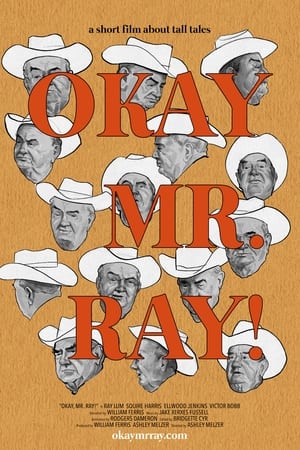
No one could spin a yarn to make a sale like Ray Lum. Twenty years after their initial meeting, Bill Ferris returned home to Mississippi in the early ‘70s with a camera. The result reveals a look back at the colorful rhythms of Ray’s life—at home, at the auction, joking with strangers outside country stores— and provides a glimpse at Southern manhood, friendship and loss. Now nearly Ray’s age when they first filmed, Ferris has become a Grammy Award winning documentarian and renowned folklorist. Using never before seen 16mm footage and new animations, OKAY, MR. RAY is a short documentary film about how even the tallest tales help us keep the memory alive of the ones we love.
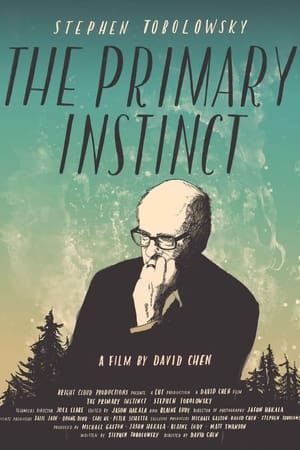
Actor Stephen Tobolowsky has acted in over 200 TV shows and films over the past 40 years, possessing one of the most dazzlingly diverse filmographies on the planet. But even more compelling than the stories he's been apart of onscreen are those he tells offscreen. In 'The Primary Instinct,' Stephen plays himself and uses the art of storytelling to take the audience through a riveting and moving journey about life, love, and Hollywood. Along the way, he just may answer one of the questions that's dogged humanity since the beginning of time: Why do we tell stories in the first place?
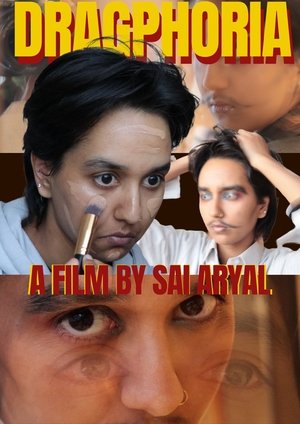
Dragphoria is a short film about drag and identity, finding yourself in a noisy crowd, and slowly accepting yourself after a long-awaited denial.
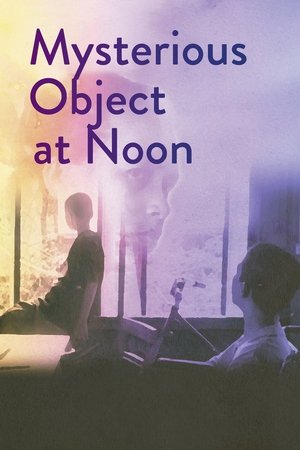
A camera crew travels through Thailand asking villagers to invent the next chapter of an ever-growing story.
Filmmaker Jamal Ademola documents Akua Shabaka and her mother, Rebecca Henry, the creative minds behind the acclaimed fashion label House of Aama, as they journey to Accra, Ghana, seeking solace and inspiration after the death of Akua’s father Jamaiel Shabaka. Back in Los Angeles, they reflect on their stunning past collections that weave African folklore and migration stories from across the diaspora. Their reflections culminate in Sun Records, a magnificent ode to Free Jazz. Along the way, Akua uncovers unexpected and profound truths about her father. Executive produced by Monika Navarro and EmmoLei Sankofa.
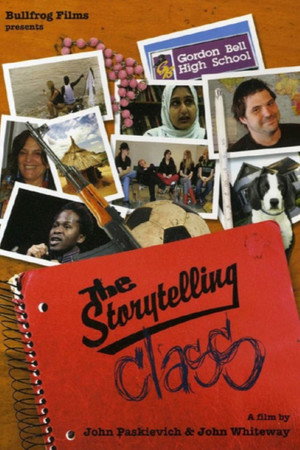
Located in Winnipeg’s downtown core, Gordon Bell High School is probably the most culturally varied school in the city. In an effort to build bridges of friendship and belonging across cultures and histories, teacher Marc Kuly initiated an after-school storytelling project. The catalyst for this cross-cultural interaction was the students’ reading of A Long Way Gone by Ishmael Beah, a memoir of Beah’s horrific time as a child soldier in Sierra Leone’s civil war. These voluntary after-school meetings take dramatic turns and reach their climax when Ishmael Beah and professional storyteller Laura Simms travel from New York to work with them. With their help the students learn to listen to each other and find the commonality that so long eluded them.
This short documentary sifts through the pages of a woman's diary who has recently begun to write her memoir. As she looks back at her life and some of her memories, the film explores the ordinary act of writing and the value and meaning it may hold in mundane everyday life.
Light Upon Light: A Documentary on Hijab is an intimate and deeply personal exploration of the diverse, raw, and untold stories of hijabi women. Through open and vulnerable conversations with 7 women, the film dismantles stereotypes, highlights the challenges imposed by society, and celebrates the profound beauty of the hijab beyond a mere clothing choice. It captures the individuality of each woman’s story—how they came to wear the hijab, the struggles they’ve faced, and the strength they’ve found in it. More than just fabric, the hijab is a journey, often misunderstood, and influenced by the way the world perceives it. By amplifying voices that are often unheard, the documentary creates a space for empathy, challenges misconceptions, and invites a deeper understanding of what it truly means to wear the hijab; inspiring everyone to see hijab in a new light.
At a London community centre, facilitators and volunteers run a travel-themed session for people living with dementia and their families, friends and carers. Together, the group embarks on a playful journey: discussing past trips, revisiting these through theatre, and writing postcards to loved ones.
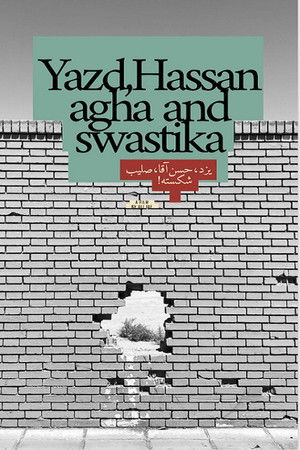
Hassan Agha (Mr. Hassan) is a retired municipal employee and a flâneur who enjoys sharing stories about his hometown, Yazd, with strangers. He often references a personal collection of what he calls "documents"—though we gradually discover they are not always reliable. As the film unfolds, it becomes difficult not to see a part of Hassan Agha in ourselves.
6 Portraits
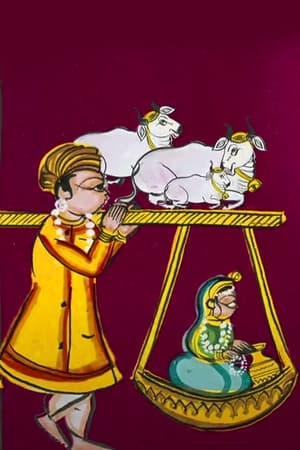
Two storytellers put forth their versions of the story of Shravan Kumar. The art for the film uses painted images from a wooden portable shrine called a Kaavad. The film is a collaborative work between traditional Kaavad storytellers and Kaavad artists from Rajasthan, together with the filmmaker. Combining lush animation with live-action, the film is an interpretation of two stories which are forever fused in the act of telling and retelling.
In India, in the region of Gujarat, a man whose face is never shown travels through the large city of Vadodara by night and distributes a mysterious illustrated newspaper. It provokes an irresistable desire in all the street merchants and craftsmen to tell stories of ghosts and ghouls.