An unflinching look at life on the fringe, documenting the changing fortunes of residents throughout a year. Encountering humanity within this harrowing reality, a radical care-model offers hope for chronic alcoholism.
Eddie and Jason, two Korean-American brothers get in over their heads when they are called to Korea to make a short film on prostitution and sex-trafficking. Things get complicated when they meet Crystal and Esther, two prostitutes who reveal just how deep the problem goes and set off on a dangerous mission to capture the truth. With the use of hidden cameras and access to pimps, johns, and sex-workers, the filmmakers explore and unravel the complexity of the sex trade in Seoul. They learn that this problem is rooted in issues far deeper than exploited girls and lustful men. Instead, it's a consequence of a culture and government that condones and turns a blind eye to the biggest human injustice of our time.
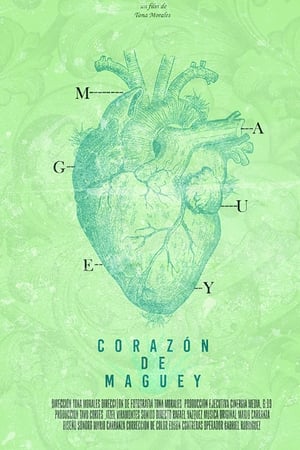
Miguel has been dedicating himself to the pulque craft for more than 25 years, however an addiction to drinking almost ends his life.
The women who seek help at Aurora House share a common illness: they are physically and psychologically dependent on alcohol, prescription drugs, street drugs, or a combination of these. This documentary focuses on the lives of five women at various stages of their rehabilitation. In the supportive and healing atmosphere of women helping other women, they are confronting the issues and feelings they had previously drunk or drugged out of consciousness.
The final stages of alcohol addiction are juxtaposed with the official attitude of Polish authorities towards the success of the ever-growing national alcohol industry.
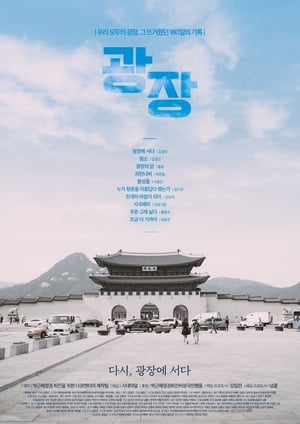
Over 98 days from August 20th to November 25th 2013, 2821 people from around the world sent 11,852 video featuring many different faces of Seoul. 154 were selected, edited, and made into a movie.
In the heart of Seoul, South Korea, a man named Jung-Su Lee has dedicated his life to mastering the art of Mexican cuisine. This film explores this journey, how an unexpected connection reshaped his identity.
South Korea's is facing a population crisis, with Seoul at the centre of it. The country’s capital remains the beneficiary of both internal and external migration. Instead, it is in the rural and peripheral areas where low birth rates and the aging population have become crises. The countryside is at risk of becoming extinct. As more opportunities and people get concentrated in Seoul, urban pressures have led to rising unemployment and cost of living. And when things get expensive, people do not have babies. Seoul now has the lowest birthrate in South Korea, in a country with the world’s most dire fertility. On the other hand, farms and factories in the rural areas desperately need workers. How can South Korea solve this population puzzle?
August 2011, Seoul station was ‘reborn’ restoring the historical traces it once had. It was named as ‘Cultural Station 284’. To commemorate this very day, an opening exhibition was held, named as ‘COUNTDOWN’. However, among all the fine works of art alongside the exhibition, the best piece of art was not to be found. To be precise, that very piece of art was not available at that time. That work of art needed time to be established. After observing and speculating the abject moments of the restoration process, finally, it was completed.
Chronicles the rise and fall of 1970s New York City nightclub Plato's Retreat.
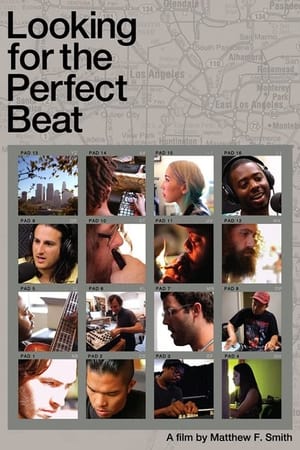
'Looking for the Perfect Beat' is a cinema verite immersion inside the unique Los Angeles 'beat-scene' music community centered around the world famous Low End Theory club night. Filmed over the Summer of 2013, a climatic point in this particular music scene's trajectory, we are given the opportunity to elegantly lift the veil on the personal creative processes of the internationally-acclaimed pillars of the scene. Indie music luminaries such as Flying Lotus, Thundercat, Gaslamp Killer, Daedelus, Nosaj Thing, Ras G, Teebs, D-Styles, TOKiMONSTA and Matthewdavid are all featured in vivid detail. The soundtrack for the film creates itself live on camera as the film elapses. This avant-garde visual angle on each subject in their respective creative spaces provides for an introspective glimpse into what would otherwise be unseen.
A short documentary on the highly influential Los Angeles club night, The Low End Theory
Short film about the addictive nature of alcohol
George Best is one of the greatest footballers to have played the beautiful game. His tragic death at the hands of alcohol left many issues unresolved within his family, none more so than with his only child Calum. Mirroring his father's lifestyle, Calum has gone down a path that has left him lost, without direction. On the 10th anniversary of his father's death, Calum decides to embark down a new road to discover the real George Best. Calum believes that by going through this process he will learn what really made his father tick, and in so doing discover who he really is as his father's son.
Traces the life and mental illness of New York artist and photographer Ruth Litoff, and her sister's struggle to come to terms with her tragic suicide.
'Green Lights, Blue Skies' features twenty tracks to make you want to head for the open road. Many of these videos, promotional clips and performances have never been included on a DVD. Bonus features include an introductory film by DJ and broadcaster Gary Crowley, exclusive band profiles and a new 5:1 mix.
India's prosperous Green Revolution was led by Punjab, a state in northern India famous for its lush rice fields and wet, fertile soil. But as farmers are conned into buying more and more pesticides, herbicides and fertilisers that they don't need, which demand often ten times more water, the water table is sinking at an alarming rate. Punjab's water has been poisoned by the chemicals, and the farmers poison their bodies with opium, helping them to work longer and harder. Loans from a middleman are taken out, with extortionate interest rates that are impossible to pay back. As a result, hundreds of Punjabi families are left without a father, husband or son as more and more farmers cave in under the pressure and drink their own chemicals to end their lives.
In this gritty Amsterdam Docs Festival road movie, a filmmaker helps an alcoholic panhandler reunite with the kids she had abandoned, but in a relentless search for her redemption, he uncovers a terrible secret – the mother of all human nightmares.
The place is the notorious Starck Club (so called because it was the first major project designed by Philippe Starck in the US.) The Starck Club opened in Dallas in 1984 and not long after hosted the 1984 national Republican Convention. Ironically, it was actually legal to buy MDMA aka ecstasy there, people would put it on their credit cards. The DEA stepped in and made it a category 1 drug on July 1, 1985... In a time when ecstasy was legal & guyliner was cool.
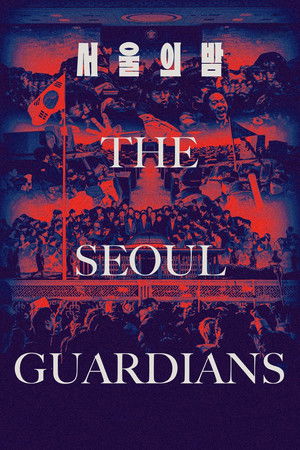
Light A Candle, Write A History - Candlelight Revolution