Two young film enthusiasts from downtown São Paulo are doing a film rehearsal and, for the final scene, inspired by "The Man Who Left His Will on Film," they want to film a projection onto a woman's body.
Narrator is a man in his early 30s who is cooking pasta while enjoying a seemingly normal morning. Suddenly, the phone rings: a mysterious voice is telling him things that don't make much sense. Something is not right but not wrong either, and it seems that some memory from the past might have triggered all this...
Everything changes in P's haunting life when he comes across a peculiar being dancing in the middle of a forest.
Filmmaker and new media artist Tong Xie’s debut short probes the unease, confusion, and obsession experienced by the body as it crosses the urban physiognomy. Set amidst the shadowy loneliness of Paris at night, Absolutely No Sexual Favors je pense à toi 吾想汝顯 depicts the psychological and corporeal marginality of queer identity and desire through perpetually displaced figures.
In the heart of the Caribbean, a mother and daughter confront a malevolent curse erasing identities of all the island's women, propelling them on a daring quest to reclaim their rich cultural heritage and triumph over the encroaching darkness.
Just another love story. The difference is Gerson.
Léopoldine
Ramsés begins to experience disturbing changes in his body and mind, unsettling shifts that disrupt his daily life. Soon he realizes he is no longer alone in his own skin: the demon Asmodeus has taken control. Under this possession, Ramsés is driven into a spiral of desire and violence, seeking out both men and women to consume through blood and sex, feeding the darkest temptations of the demon within. As reality and delusion blur, Ramsés struggles to hold onto what remains of his humanity while Asmodeus leads him ever deeper into a world of lust, horror, and destruction.
Último Desejo
Concerns a young boy's mystical experiences during his Confirmation. As the ceremony unfolds, figures from religion and mythology appear and impress on him the need to become a soldier of Christ.
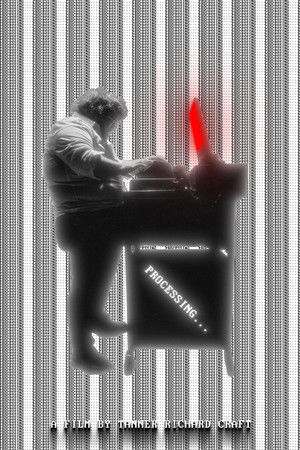
The restlessness creeps into a claustrophobic situation where a typist confronts the recorded voice of the writer she works for.
After meeting one day, a shy boy who expresses himself through haiku and a bubbly but self-conscious girl share a brief, magical summer.
A curator at a high-profile art gallery finds herself drawn to a young, polyamorous artist who introduces her to a lifestyle that reflects a part of herself she had once abandoned.
A man attempts to operate a mysterious device, but with each attempt comes a new set of problems.
By confronting the devastating truth of fatal violence against women, this experimental dance short shifts focus from passive victimhood to the strength and power of resilience.
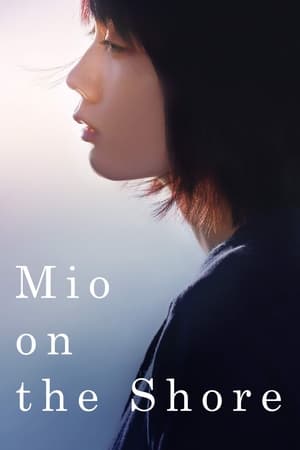
Mio is 20 years old. Having lost her parents early, she and her grandmother run a traditional inn in Nagano. However, her grandmother gets sick. Mio moves to Tokyo and lives with her father’s best friend, Kyosuke. He runs a public bath. She begins to work at the public bath, but it is scheduled to be demolished to make way for redevelopment.
A girl and an older man discuss the nature of reality while doing chores on a pig farm.
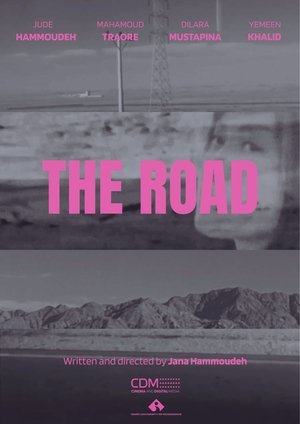
The Road is a deeply personal experimental film by Jana Hammoudeh, chronicling her journey as a nomadic soul, always on the move yet never truly belonging. Shot across three separate road trips, the film blends visual poetry with intimate monologues in multiple languages, reflecting the fragmented nature of the protagonist’s life. The film’s segments—Leaving Amman, Scrambled Eggs, and Postcards to a Friend—explore themes of love, loss, and freedom. The first segment, set in Amman, presents a conflicted relationship with home, inspired by Charles Bukowski’s Let It Enfold You. The second, in French, revisits past romances, while the third, narrated in Kazakh and Urdu, contemplates departure and longing. Through dreamlike cinematography and raw reflections, The Road captures the bittersweet beauty of transient nature of life and self-discovery.
A modern poet Jamal who is against the traditional Urdu Poetry reads the biography of Mir Taqi Mir,one of the greatest poets of the 18th century. And sees Mir's reflection on his personality.
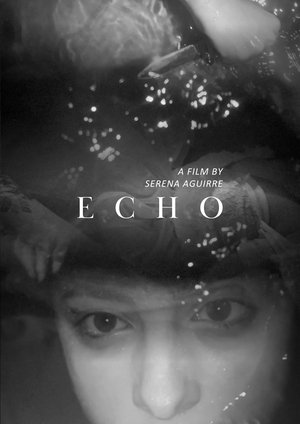
A reframing of the classic tale of Narcissus, the director draws on snippets of conversation with a trusted friend to muse on gender and identity. Just as shimmers are difficult to grasp as knowable entities, so does the concept of a gendered self feel unknowable except through reflection. Is it Narcissus that Echo truly longs for, or simply the Knowing he possesses when gazing upon himself?