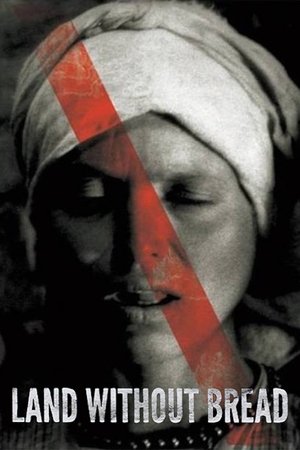
An exploration —manipulated and staged— of life in Las Hurdes, in the province of Cáceres, in Extremadura, Spain, as it was in 1932. Insalubrity, misery and lack of opportunities provoke the emigration of young people and the solitude of those who remain in the desolation of one of the poorest and least developed Spanish regions at that time.
The greatest secret of the Second World War has remained a mystery for the last 80 years: a Jewish Communist, Sandor Rado, led a spy network that proved essential to the victory of Allied Forces. Rado received details of strictly confidential strategies from the highest echelons of the Nazi State through Rudolf Roessler, a dedicated anti-Nazi he'd only known as code name "Lucy." Aided by key German industry leaders, Roessler transmitted timely information from high-ranking collaborators within the German army headquarters. Despite their achievement, Rado, Roessler and their sources remained unacknowledged heroes until today. Thanks to the recent declassification of secret archives, we are now able to step behind the scenes of this incredible story.
April 20, 2017 - Avenue des Champs-Elysées. During an attack, police officer Xavier, among his injured fellow-officers, was shot dead. There are broken dreams and unanswered expectations of peace. But there is no place for hate, dialogue and tolerance being the only possible solutions.
The cartoon based on the works of Alexander Pushkin was created on the basis of drawings from the exhibition "Pushkin through the eyes of children".
Gonzalo Suárez: Sam Peckinpah, director salvaje
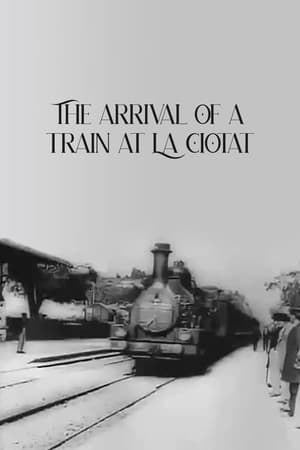
A group of people are standing along the platform of a railway station in La Ciotat, waiting for a train. One is seen coming, at some distance, and eventually stops at the platform. Doors of the railway-cars open and attendants help passengers off and on. Popular legend has it that, when this film was shown, the first-night audience fled the café in terror, fearing being run over by the "approaching" train. This legend has since been identified as promotional embellishment, though there is evidence to suggest that people were astounded at the capabilities of the Lumières' cinématographe.
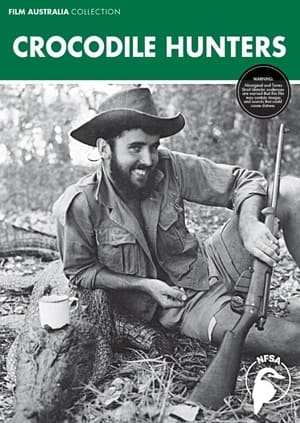
In the estuaries and lagoons of the Northern Territory, freshwater and saltwater crocodile are hunted for their hides by both Indigenous and non-Indigenous hunters. This film shows Aboriginal people using age-old hunting techniques to land crocs either for food or for skins. The methods employed by the professional hunters, who earn as much as 3000 pounds during the season, are also depicted, followed by a brief look at how the hides are skinned and prepared before being transported to the leather factories of Sydney and Melbourne.
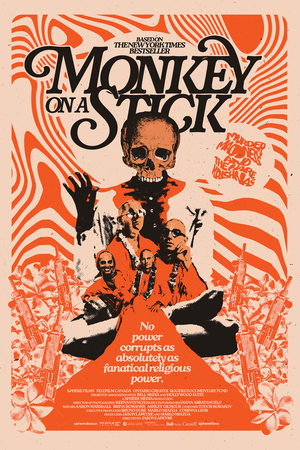
The story of the Hare Krishna movement in the West, contrasting the spiritual exploration of its devotees with the leadership's systemic, long-term cover-up of criminality, moral decay and abuse of power.
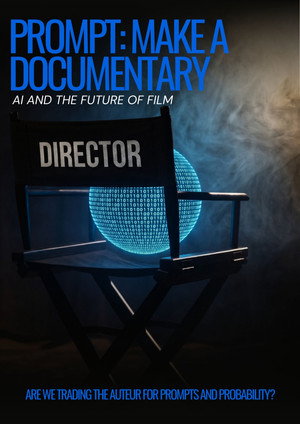
Prompt: Make a Documentary investigates the growing influence of artificial intelligence on the film industry. The documentary places the rise of AI within the broader historical context of cinema’s evolution, drawing parallels with earlier technological shifts such as the introduction of sound, colour, and digital visual effects. By revisiting landmark moments in film history, the film demonstrates that disruption has always been part of cinema’s DNA, while questioning whether AI represents a fundamentally different kind of change. Featuring insights from directors, academics, and practitioners, Prompt: Make a Documentary explores the tension between innovation and integrity, the democratisation of creative tools, and the ethical implications of automation in the arts. The film ultimately asks whether artificial intelligence will empower the next generation of storytellers or redefine creativity itself.
This film joins a hunting-party of inhabitants of the Frobisher Bay Correctional Centre. The stalking, killing and skinning of seal and caribou are featured prominently, with explanations as to the importance of these animals to the Inuit way of life.
This short documentary shows Canada's top swimmers in training for the 1964 Olympic Games. Under the critical eye of coach Ed Healy, they practice long hours in the gym and in the pool to build strength and stamina.
A son makes a surprising discovery on his elderly parents' answering machine after his father's passing.
A brief visualisation of NASA’s historic spacecrafts Mariner, Pioneer, Voyager, and Dawn, exploring the solar system, culminating in the New Horizons mission.
The memory lives on in Yukio Saeki's memory. At 83 years old, he still hears the echo of the sea in Japan, near Hiroshima, and the atomic bomb falling from the sky.
Migrant families experience violence, but they also keep beautiful memories when they arrive in new lands. Fantastic and intimate stories, recalled from childhood, travel across time and space, magically intermingling with the help of the four elements and breaking the boundaries of cinema.
A man’s journey to learn the story of his estranged father, a failed hitman killed several years ago. A man's journey to face the scattered members of his dysfunctional family and understand the life of his absent father, a failed hit man murdered years ago in a Mexican border town. While the story of the father takes shape, each family member comments on the behavioral patterns that influenced his criminal actions.
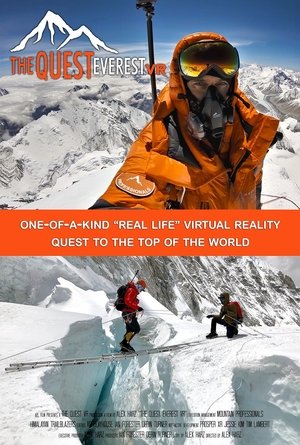
'THE QUEST: Everest VR' is a one-of-a-kind "real-life" Virtual Reality documentary to climb and reveal the most legendary mountain on earth, Mt. Everest, in stunning 360 degree video! It is the only real-life Virtual Reality experience that puts you directly in the boots with filmmaker and explorer, Alex Harz, on an epic 52 day quest to the Top of the World (29,032 feet / 8849 meters), and the closest thing to climbing Everest without all the rigorous training, planning and high risk needed to physically step foot on the mountain! 'THE QUEST: Everest VR' can be experienced worldwide in Virtual Reality headsets, and on computers, phones, tablets, etc...
Having lost her memory, A. could barely recall glimpses of her childhood in Argentina. After her death, her son visits the empty house for the last time. A sensory journey through a house without objects but filled with memory.
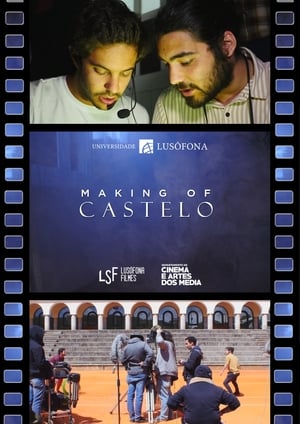
A two parts making of documentary, following José Augusto Silva and his film crew during the shooting of a university short film called Castelo.
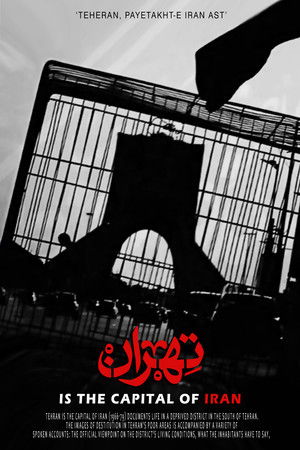
Tehran Is the Capital of Iran (1966-79) documents life in a deprived district in the south of Tehran. The images of destitution in Tehran's poor areas is accompanied by a variety of spoken accounts: the official viewpoint on the district's living conditions, what the inhabitants have to say, and occasional extracts read out of school manuals. The key element in Shirdel's film is the counterpoint effect he creates with image and sound. His impressively powerful portrayal of social unease helps reinforce the impact of his astonishing documentary images and social themes.