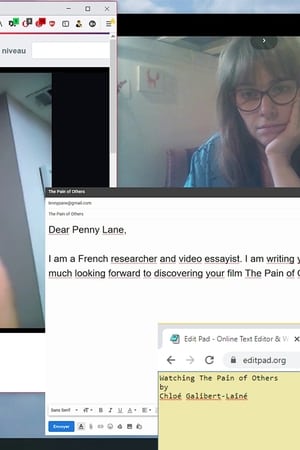
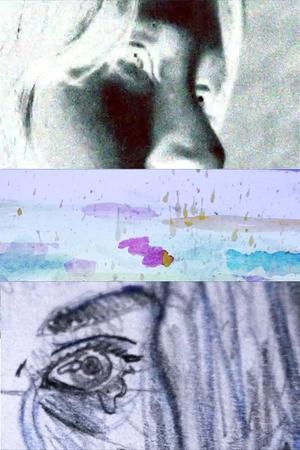
In this deeply personal video diary, a young researcher tries to make sense of her fascination for the film "The Pain of Others" by Penny Lane. A deep dive into the discomforting world of YouTube and online conspiracies, that challenges traditional notions of what documentary cinema is, or should be.
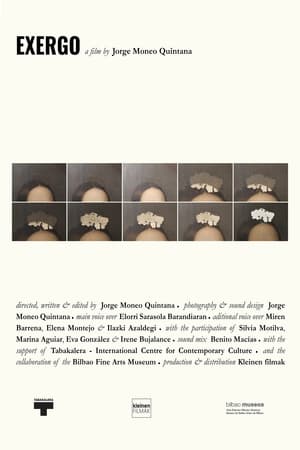
Departing from peripheral details of some paintings of the Bilbao Fine Arts Museum, a female narrator unravels several stories related to the economic, social and psychological conditions of past and current artists.
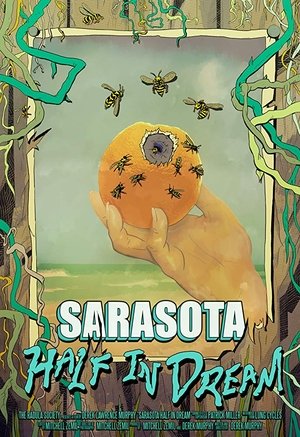
An experimental documentary about dead turtles, crab swarms, decaying tennis courts, and microscopic histories. The filmmakers shot their explorations into the abandoned golf courses, factories, and resorts of Sarasota, Florida and spoke to local youths who are using them for new and strange purposes. What would the Surrealists and Situationists think of a suburban, subtropical tourist town? What goes on in a storage unit in the dead of night? What is the afterlife of a decommissioned train car? What ghosts haunt a ruined hotel? What is the life cycle of a city? When will waters wash it all away?
A film essay in which multiple female characters, drawn from different films, slowly overlap and connect through a shared state of melancholy.
Zaniklý svět Karla Pecky
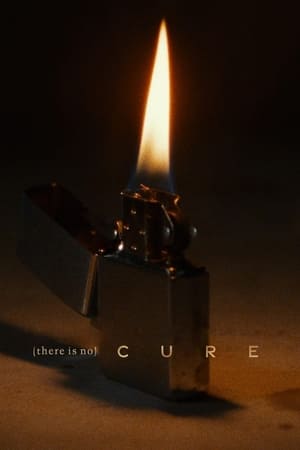
In this new video essay, filmmaker Alexandre O. Philippe delves into the dread-inducing mood and tone of Kiyoshi Kurosawa’s modern horror classic Cure, deploying a dizzying range of cinematic references to unravel the film’s eerie magic.
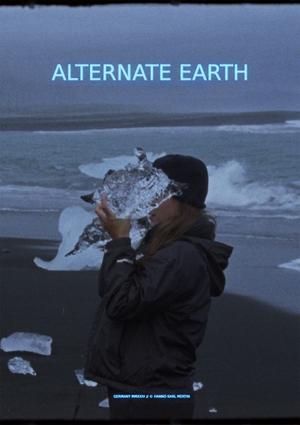
A scientific expedition travels to an alternative Earth in hope of finding a new home for humanity, which has destroyed its own planet. But is it even possible to escape old patterns?
Make Moravia Great Again
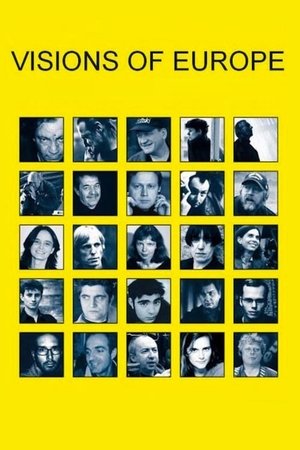
Twenty-five films from twenty-five European countries by twenty-five European directors.
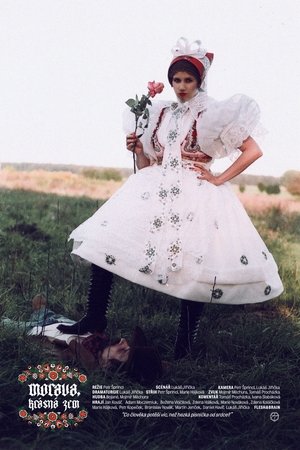
This experimental Western horror film set in the Moravian region of Slovácko offers a new take on the legend of Saint Wenceslas. Against the backdrop of a shabby folk festival, the mythical prince Boleslav, a zombie from a wine cellar, battles his brother Wenceslas over the nature of Czech statehood and a plate of tomato soup.
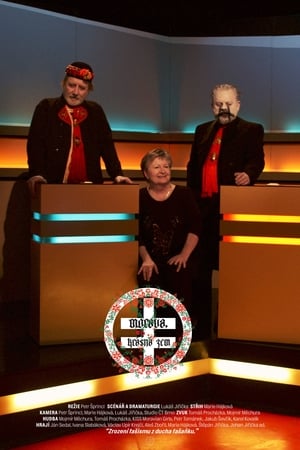
The second part of the endless series about Moravia offers an even darker descent into the soul of Moravia, which is, however, intoxicating like a slightly delirious state after a sip of wine and chewing on a clod of mother earth. A visually distracting journey focused on the undercurrents of Moravian identity, whose echoes even Friedrich Nietzsche would not want to hear...
Equal parts documentary, visual essay, experimental collage narrative, and parodic homage to and of all things Barbie, this caustic and exciting visual foray embraces the complicated terrain of feminist discourse, cultural criticism, and political rhetoric, as well as insights on gender, identity, and personal experience where all roads lead back to the phenomena that is Barbie.
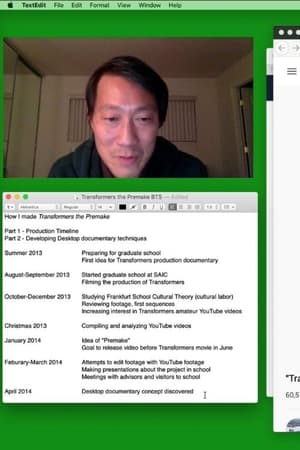
The mind process behind the film, Transformers the Premake, explained by Kevin B Lee himself.
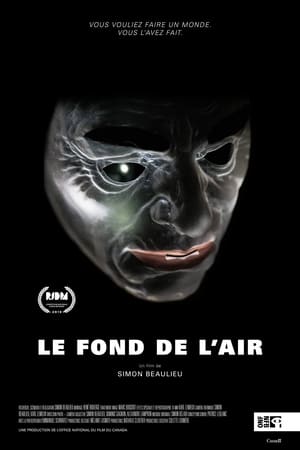
A reflection on the fate of humanity in the Anthropocene epoch, White Noise is a roller-coaster of a film, a whirlwind of sounds and images. The fourth feature-length work by Simon Beaulieu, this film essay plunges viewers into a subjective sensory adventure—a direct physical encounter with the information overload of daily life. White Noise transforms the imminent collapse of our civilization into a visceral aesthetic experience.
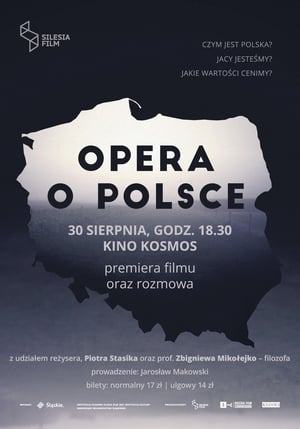
Pole, who are you? This film collage that combines archival and contemporary materials, documentary and staged pictures, press reports, social announcements, sale offers and speech excerpts is an attempt to answer this question. Referring to the Polish tradition of a creative documentary in the style of Wojciech Wiszniewski, the film presents various manifestations of Polishness: patriotic and religious rituals, everyday traditions as well as characteristic landscapes or intimate memories from childhood.
In this video I share my experience as the first Resident of the Harun Farocki Institut in Berlin during the winter of 2016-2017. Produced for the Goethe Institute.
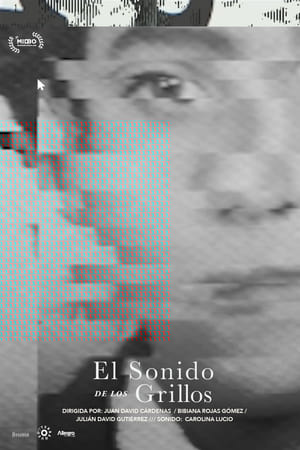
After the disappearance of Aldemar his wife decided to get overall uncertainty by including him in the list of deaths in the 1938 Colombian National Census. Today, 83 years later, I repeat her. I try to find myself among the numbers in the digital database in order to finish the torture that has also implied my own disappearance.
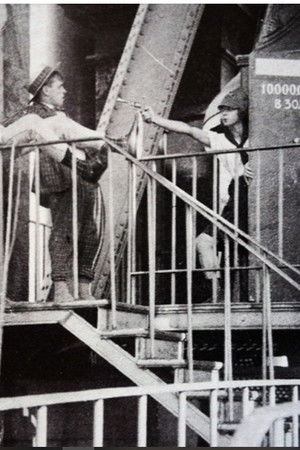
This film essay is inspired by Leonid Trauberg's eponymous autobiographical text. It also sheds light on his public condemnation in 1949 as a leader of the "cosmopolitans," accused of "only causing harm to Soviet cinema," as well as his enthusiasm for silent slapstick comedies, the novels of P.G. Wodehouse and G.K. Chesterton, and his fascination with the lost FEKS film, The Adventures of Octobrine.
Hovory o lékařské etice
Metropia