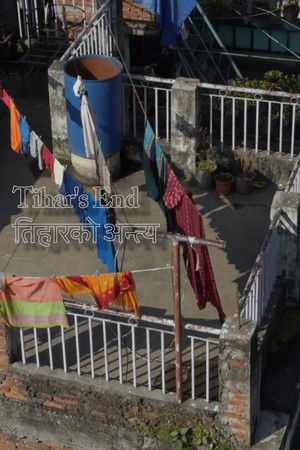
Filmed from the last night of Tihar, festival of light, in Kathmandu 2025, exploring colour, light and stillness.
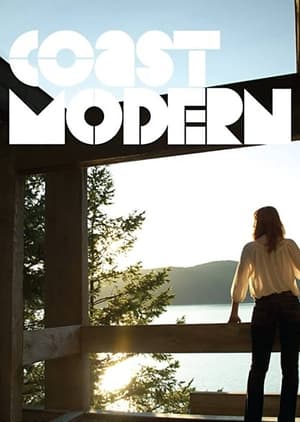
A core group of architects embraced the West Coast from Vancouver to LA with its particular geography and values and left behind a legacy of inspired dwellings. Today, architects celebrate the influence established by their predecessors.
Bolivian artist and filmmaker Luciana Decker Orozco delves into ancient and essential acts: eating, masticating and digesting. Her suggestive celluloid slips through mouths, intestines and entrails, as well as experiments in the catacombs of the human being and the Earth. Inspired by the avant-gardist and indigenist Peruvian writer Gamaliel Chumata, the surface and the underground, the real and the extraordinary, mysteriously merge together.
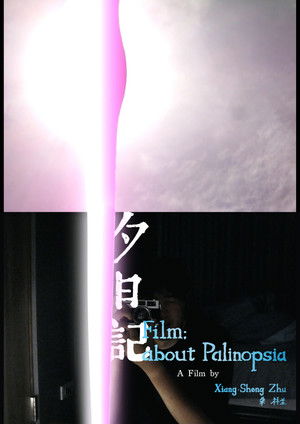
Graduation is approaching, marking the close of a chapter. I took my camera to Green Island, recording video letters day by day. But the camera became unruly, backup batteries went missing, and the trip began to go downhill. Typhoons arrived, and the video letters ceased... Finally, facing the sea beneath the sun, my camera non-responsive, I took a Dramamine, then boated back home.
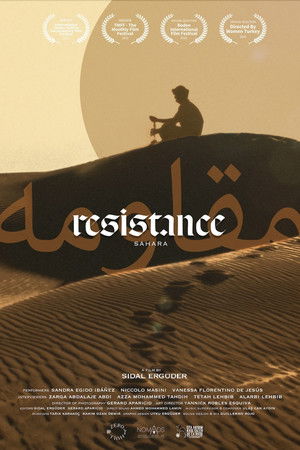
Resistance Sahara, a haunting yet playful exploration of the liminal space between experimental, documentary, and fictive filmmaking, presents an artistic response to the Sahrawi refugee crisis from the frozen war in Western Sahara. Bringing international artists from a mix of disciplines to the Sahara Desert, and with them will create something new, a response to what they encounter. The film mix testimony from the mouths of the people who live in each zone of crisis with music; image; and symbolism. The audience is invited to reconsider their view of the nature of human suffering, and to build a new bridge of empathy with the people in these remote and sometimes forgotten places..
O Que Nos Separa
Migrant families experience violence, but they also keep beautiful memories when they arrive in new lands. Fantastic and intimate stories, recalled from childhood, travel across time and space, magically intermingling with the help of the four elements and breaking the boundaries of cinema.
An Editor recounts the diaries of a failed film production as they attempt to construct a new narrative from the remaining footage.
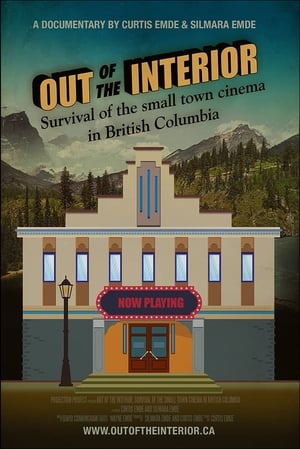
The hard-working cinema owners and operators of the small towns found in BC's southern interior are doing more than showing movies and selling popcorn––they are bringing their communities together.
Fireworks
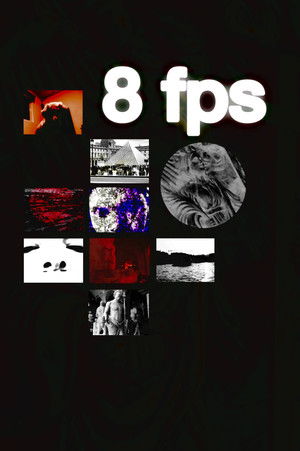
Pictures taken between France and Mexico running at 8 frames per second.
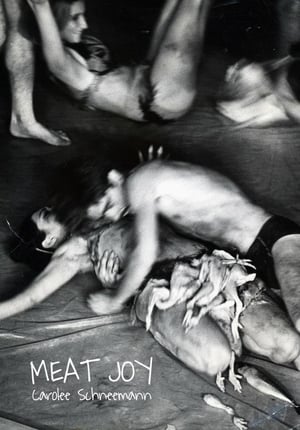
"Meat Joy is an erotic rite — excessive, indulgent, a celebration of flesh as material: raw fish, chicken, sausages, wet paint, transparent plastic, ropes, brushes, paper scrap. Its propulsion is towards the ecstatic — shifting and turning among tenderness, wildness, precision, abandon; qualities that could at any moment be sensual, comic, joyous, repellent. Physical equivalences are enacted as a psychic imagistic stream, in which the layered elements mesh and gain intensity by the energy complement of the audience. The original performances became notorious and introduced a vision of the 'sacred erotic.' This video was converted from original film footage of three 1964 performances of Meat Joy at its first staged performance at the Festival de la Libre Expression, Paris, Dennison Hall, London, and Judson Church, New York City."
Contrasting ancient myth and modern reality, this short documentary examines the legendary relationship between West Coast Indigenous people and salmon, once their staple food. In the mythical realm, we learn how Raven finds riches in the harvest of the salmon, only to lose everything through a thoughtless act against the Spirit of the Salmon. So too does modern man jeopardize his living from the sea by heedless action. Images of ancient spear-fishing and smoke-houses contrast with images of today's Indigenous people operating a seiner and working in a cooperative cannery.
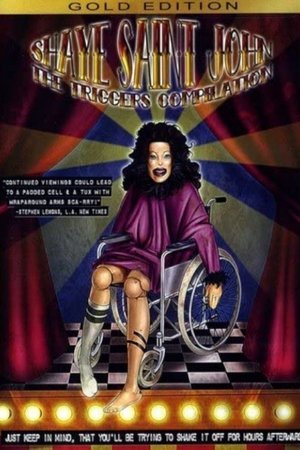
Welcome to the funbubble! Over 2 hours of bizarre entertainment. Meet Shaye Saint John, former supermodel who now has no arms or legs and her special friend Kiki (a burnt doll). This series of shorts documents the daily collision of Shaye's glamorous fantasies with the realities of the physical limitations of her everyday life. These films with their juxtaposition of child-like imagery can be genuinely disturbing without a hint of blood, violence, nudity, cursing, or off-color subject matter of any sort. Watching Shaye do her schtick is akin to watching a segment of one of John Waters' early flicks. There is no question about the fine line between maddness and genius here -- it's madness, plain and simple, dizzying in its detachment to reality. Depending on your outlook, Shaye Saint John is either a true testimony to the power of art to rise above adversity or these films are hidden footage from a ward for the criminally insane!
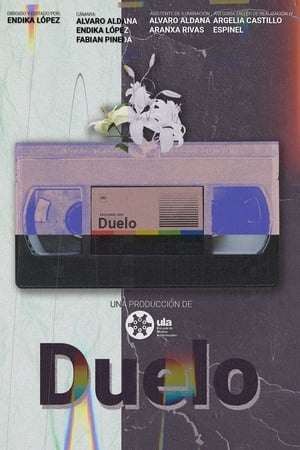
The short film follows Endika, a director who, in the midst of a clash with his reality, transforms a documentary about paternal absence into a personal quest for reconciliation with his own father.
Within photographs that are not their own, a body discovers it has always been part of another.
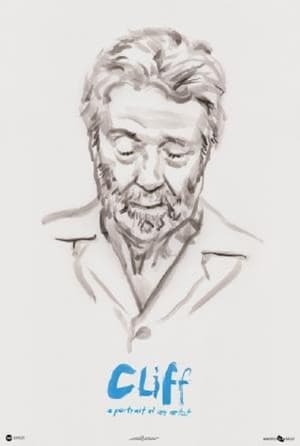
Acclaimed Canadian artist Cliff Eyland looks back on his life after a successful double lung transplant.
This short documentary introduces us to a town where no one pays rent: Simoom Sound in central British Columbia, where loggers live on sturdy river craft. Every week there are visitors: the general storekeeper, the flying postman and most importantly, the forest ranger, who is ever alert to the threat of fire.
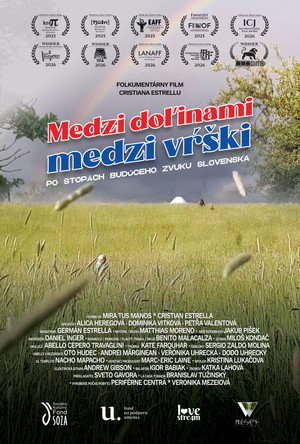
This is not just a “folkumentary”, but an invitation to reflect on the future of humanity on a planet where tradition and technology coexist, and where the unknown reminds us that there are still unanswered questions.
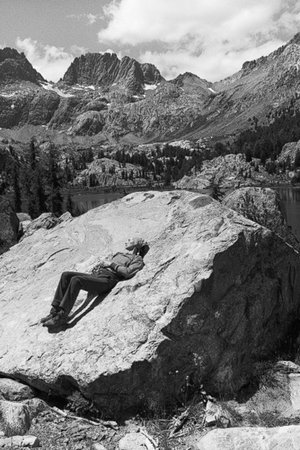
In Pictures for Charis, American photographer Kelli Connell reconsiders the relationship between writer Charis (pronounced CARE-iss) Wilson and photographer Edward Weston through a close examination of Wilson’s prose and Weston’s iconic photographs of the Western landscape and the female nude. Connell weaves together the stories of Wilson and Weston with that of her own relationship with her partner at the time, Betsy Odom, enriching our understanding of the couple from her contemporary queer and feminist perspective. Using Weston and Wilson publications as a guide, Connell and Odom created portrait and landscape photographs at sites where Wilson and Weston lived, made art, and spent time together. - Cleveland Museum of Art