A multibillion-pound investment is underway to make our railways bigger, better and faster. Over three years, we go behind the scenes with Wales’s newest rail body as they try to make ambitious promises a reality.
As the first woman in Europe to found a private space company, Hélène Huby sets out to challenge the dominance of SpaceX. In doing so, she enters a global race in which Europe barely has a foothold. But this is about more than technology: whoever controls access to space also shapes the order of our world. Over the course of several years, the film follows Huby through negotiations, setbacks and the lead-up to a crucial first rocket launch in the United States. Between airports, conference rooms and ever fewer moments with her family, it becomes clear what this ambition demands. As she tries to change the system, she risks becoming part of it herself.
The British Railways modernisation programme of the 1960s radically changed the rail network, and the British Transport Films unit and the TV news were there to capture it. Compiled here is never before released colour footage of Southern steam at Waterloo (with Nine Elms depot), all the major London stations, The Blue Pullman and early diesels, The Golden Arrow and Night Ferry service, goods and mail, steam on the Metropolitan Railway and building the Victoria Line.
Historic construction footage, photos, and newsreels help illustrate Grand Coulee Dam's construction, engineering challenges, and regional impact including power and irrigation. Produced by the Bureau of Reclamation and shown at the dam's Visitor Center.
Bertie heads to South Africa for his most audacious mission yet. The wild waters here are a hotspot for one of the ocean’s most famous and feared predators, the great white shark. Diving in the shallows without a cage, Bertie will attempt to film these huge sharks. By entering their domain, he discovers the challenges they face on our rapidly changing planet.
Since the Taliban returned to power in August 2021, Afghanistan has drawn growing international attention for its enormous reserves of rare earths and strategic minerals essential to the global energy transition. The country is believed to hold more than €1 trillion in resources, including copper, lithium, cobalt, iron, uranium, chromite, mercury, and rare earth elements, as well as valuable gemstones and gold. Often described as the “Saudi Arabia of minerals,” Afghanistan has become the focus of a geopolitical race for supplies. While Europe and the United States remain hesitant to engage with a regime accused of serious human rights abuses, countries such as China, Russia, Turkey, Qatar, Pakistan, and India are already positioning themselves in Kabul to secure access to these critical resources.
A look at Britain's beloved canal network via a fact-filled cruise along the first superhighways of the Industrial Revolution. In the age before mechanisation, a frenzy of canal-building saw a new army of workers carve out the British landscape, digging out hundreds of miles of waterways using picks, shovels and muscle.
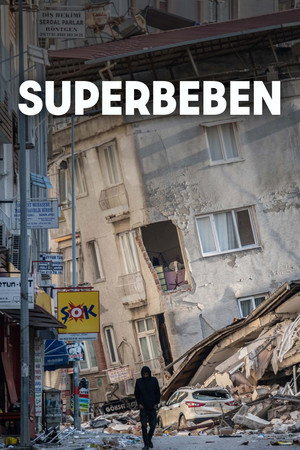
Superbeben
On the North Shore of the St. Lawrence, the Otis family hunts for white whales and seals with rusty old rifles in hand-crafted boats. This is the traditional method of the Basque whalers who frequented the coast in the 16th century.
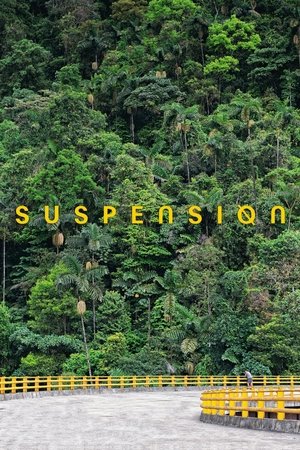
In the depths of the Colombian jungle, the skeleton of an immense abandoned cement bridge is tucked away. It has turned into a delusional tourist attraction.
Part-fiction documentary into the New Silk Road. AAA Cargo traces the anticipation of infrastructure and trade on a planetary scale, following its distribution networks which are expanding across vast regions between China and Europe. Here, government efforts to speed up the movement of trade collide with more-than-human choreographies of sand, people and goods.
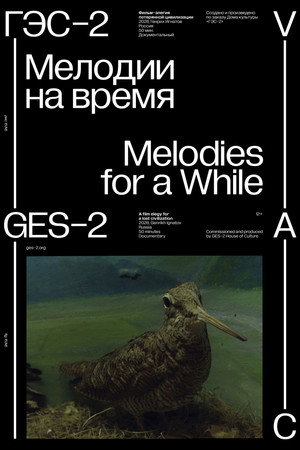
The main protagonists of this slow-paced film are abandoned or suspended spaces associated with the production, distribution, and viewing of cinema in various localities across North Ossetia. The discussion of the decline of the film industry also serves as a way of pointing to the ambiguous position in which the progressive modernist project found itself in the late twentieth and early twenty-first centuries. Ignatov proposes poetic ways of establishing new relations with this project in response to the need to reinvent the links between past and future. The abandoned spaces are brought to life by two visiting musicians playing the uadynz, traditional Ossetian flutes.
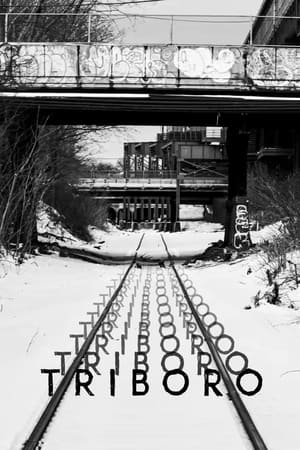
A trip behind and beneath the street-level skin of the city on the hidden paths of industrial history and once-and-future transit.
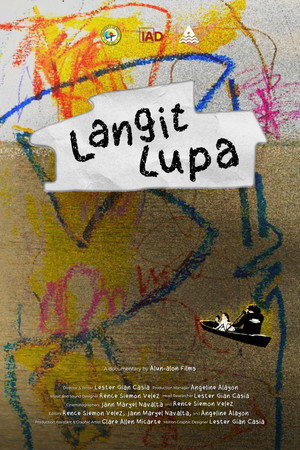
Set against the escalating realities of environmental displacement in the Philippines, Langit Lupa interweaves the lived experiences of two distinct communities in Luzon grappling with recurring floods. In Biñan, a determined mother creates a makeshift learning space inside a crowded evacuation center for her displaced children, while in Macabebe, a resilient student navigates treacherous waters just to reach a school slowly sinking beneath the tides. This film highlights the quiet strength, endurance, and hope of families forced to adapt to a world reshaped by climate change.
With dreams of colonising Mars and beyond, billionaires such as Elon Musk or Jeff Bezos are fuelling a boom in the space industry. But many criticise the pollution and resources needed for such an endeavour. By promising humanity’s survival through an escape into space, New Space may be contributing to the destruction of our planet.
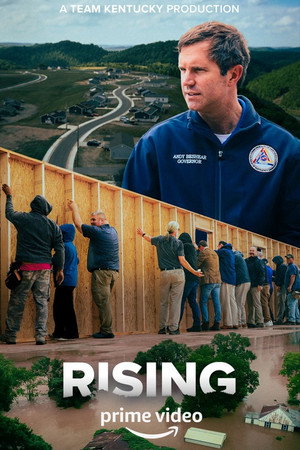
A 1,000-year disaster leads to a once-in-a-lifetime opportunity after devastating floods washed away the homes and lives of Eastern Kentuckians. Faced with a daunting recovery, the governor and Team Kentucky rise to the challenge by building back on high ground – changing the face and the future of this Appalachian region.
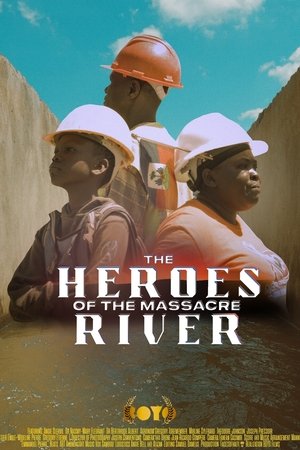
The Heroes of the Massacre River is a powerful documentary that chronicles the stories of the pioneers behind the construction of the historic Canal of Ouanaminthe, a project that united Haitians across the nation and the diaspora. This film celebrates the groundbreaking efforts of key figures, centering on Dr. Bertrhude Albert, Dr. Naismy-Mary Fleurant, architect Wideline Pierre, economist Etzer Emile as well as dedicated canal workers Milourie Sylfrard, Theodore Johnson and Joseph Pressoir — all guided by the investigative journey of Max Angie Clervil. It also serves as a commentary on the complexity of colonialism and borders, tracing the role that the Massacre River continues to play in the history of Ayiti.
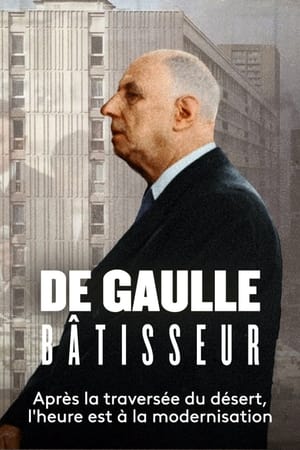
De Gaulle bâtisseur
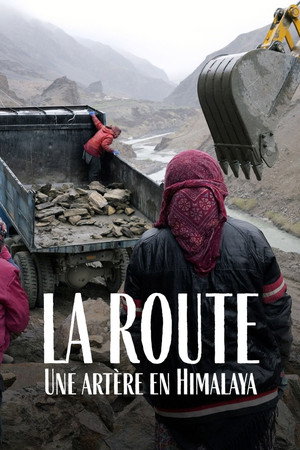
Once free to farm in the most remote part of the Himalayas, today the people labor on the ambitious road to Zanskar, which will soon connect both sides of their valley. Their days are devoted to breaking rocks with sledgehammers, dynamiting sections of cliffs and smoothing piles of sand and gravel by hand. Along with impoverished laborers from India, they toil endlessly to complete this colossal project designed to modernize the region, and it comes at a huge cost. They’ve already relinquished much of their land and herds to focus on the project, and their lives are filled with uncertainty. They worry about their future when the road is finally finished, and when the world can easily access their region. There will be unexpected freedom and opportunities to live in greater comfort… but the harmonious and delicate balance they’ve achieved over generations - despite the extreme climate - will be lost.
This film takes a look at what expanding passenger rail service in America would look like, as well as asking passengers what they think about increasing rail investment. Would they use it? Would it be a waste of money? Why is building high speed rail in California so urgent?