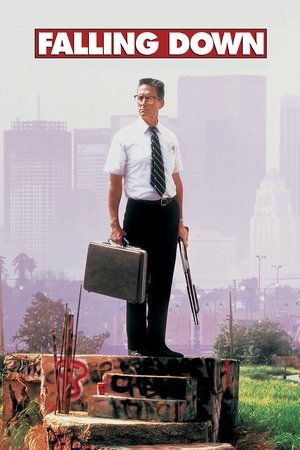
An ordinary man frustrated with the various flaws he sees in society begins to psychotically and violently lash out against them.
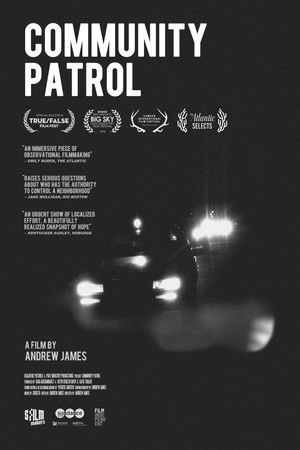
It’s been widely reported that Detroit is making a comeback, but long-term residents of Detroit’s mostly black neighborhoods aren’t seeing much benefit. Crime, lack of opportunity and infrastructure problems still persist. Community Patrol explores neighborhood self-policing through the eyes of Minister Malik Shabazz, a long-time Detroit activist and community organizer. Determined that more black men don’t end up in jail or killed, the minister confronts drug offenders directly rather than reporting them to the police.
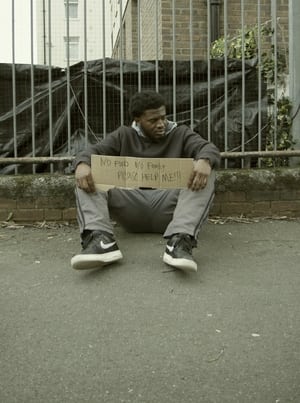
An unsuspecting homeless man comes across a dead body and a valuable necklace. When he tries to do the right thing, he finds himself trapped in an incredibly dangerous situation.
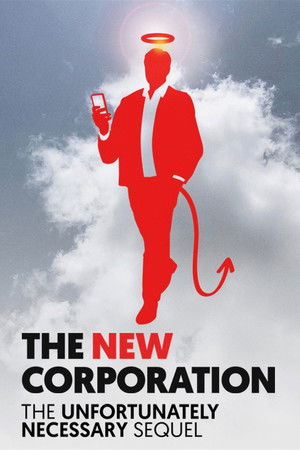
Two decades after the initial exposé of the corporation, this follow-up unveils a world now fully remade in its image and perilously close to fascism.
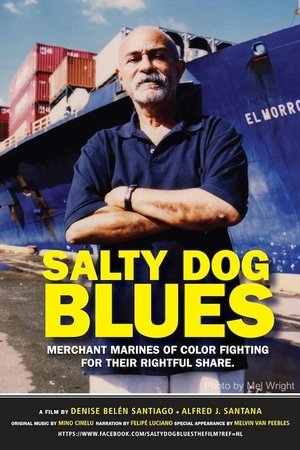
The film looks at men and women of color in the U.S. Merchant Marine from 1938-1975. Through chronicling the lives of these men and women who, with a median age of 82, are beset with a host of life-threatening illnesses, the movie tells how they navigated issues of racism, disparities in the workplace, gender and familial relations.
In the midst of a profound social conflict, the director, a blind activist based in Canada, returns to her native Chile to follow five activists who embark on a transformative process to dignify their lives.
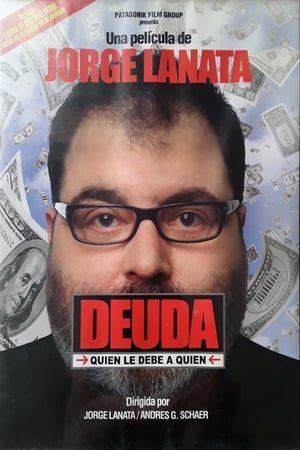
DEBT is the story of a frantic pursuit: the search for the responsible for the televised cry of hunger of Barbara Flores, an eight-year-old Argentinean girl. Buenos Aires, Washington, the IMF, the World Bank and Davos; corruption and the international bureaucratic lack of interest.
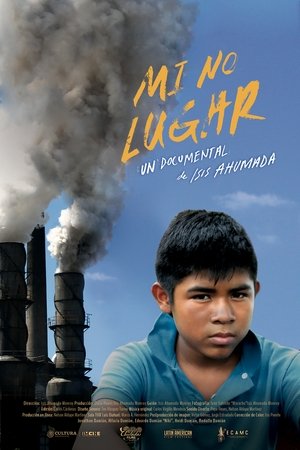
A boy migrates from Guerrero to Colima in Mexico, guided by the illusion of his parents, who want him to study high school. Nevertheless, the inequality barriers force him to work as a sugarcane harvester.
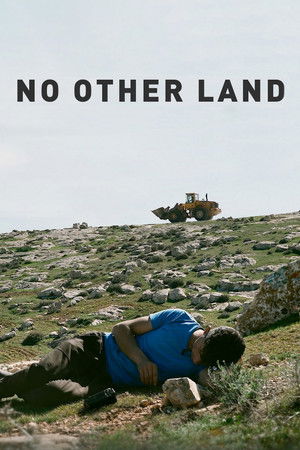
This film made by a Palestinian-Israeli collective shows the destruction of the occupied West Bank's Masafer Yatta by Israeli soldiers and the alliance which develops between the Palestinian activist Basel and Israeli journalist Yuval.
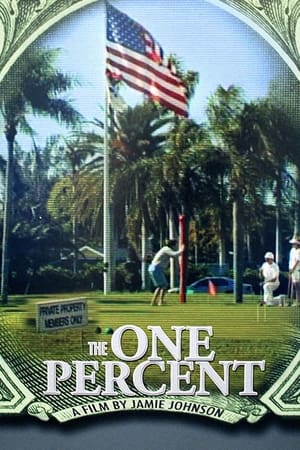
Jamie Johnson takes the exploration of wealth that he began in Born Rich one step further. The One Percent, refers to the tiny percentage of Americans who control nearly half the wealth of the U.S. Johnson's thesis is that this wealth in the hands of so few people is a danger to our very way of life.
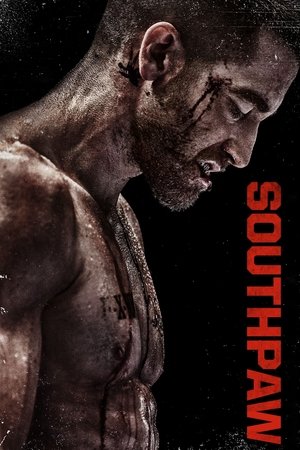
Billy "The Great" Hope, the reigning junior middleweight boxing champion, has an impressive career, a loving wife and daughter, and a lavish lifestyle. However, when tragedy strikes, Billy hits rock bottom, losing his family, his house and his manager. He soon finds an unlikely savior in Tick Willis, a former fighter who trains the city's toughest amateur boxers. With his future on the line, Hope fights to reclaim the trust of those he loves the most.
When Roger Lee slips on his front steps, he has no idea the fall will send him spiralling into the darkest chapter of his life. Injured, and drowning in despair, he hits rock bottom—until he discovers the power of his own words. Through pain, he finds purpose, turning his struggle into wisdom that inspires millions. Now, as a world-renowned speaker, he lifts others the way he once needed lifting. A raw and uplifting story of resilience, reinvention, and the unexpected ways we rise.
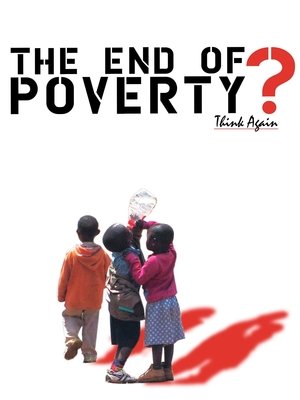
The End of Poverty? asks if the true causes of poverty today stem from a deliberate orchestration since colonial times which has evolved into our modern system whereby wealthy nations exploit the poor. People living and fighting against poverty answer condemning colonialism and its consequences; land grab, exploitation of natural resources, debt, free markets, demand for corporate profits and the evolution of an economic system in in which 25% of the world's population consumes 85% of its wealth. Featuring Nobel Prize winner Amartya Sen and Joseph Stiglitz, authors/activist Susan George, Eric Toussaint, Bolivian Vice President Alvaro Garcia Linera and more.
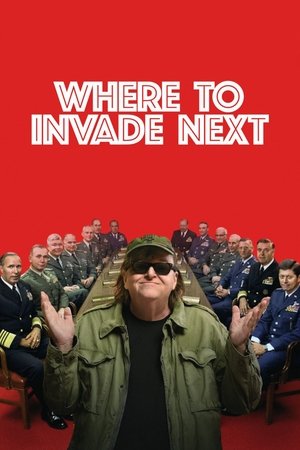
To understand firsthand what the United States of America can learn from other nations, Michael Moore playfully “invades” some to see what they have to offer.
Why is the gap between the rich and the poor growing faster in New Zealand than in most other OECD countries? And why is inequality bad for all of us? Award winning documentary maker Bryan Bruce files his special report on what’s gone wrong with our economy and what we can do about it.
Misuzu Hara (Nao) works as a high school teacher and prefers to keep a distance from her students. In her past, she was raped by her best friend’s boyfriend Hayafuji after he found out she liked him. She didn't report the crime to the police and she didn't tell anyone else what happened. She still suffers from the trauma from what happened, but she continues to have a forceful relationship with Hayafuji who is now her best friend’s fiancee. One day, a rumor spreads that her student Yuki Niizuma is in a secret affair. Misuzu Hara, as his teacher, has a meeting with him to provide counseling.
The Favela Pacification Program was launched in 2008 to reduce crime and drug trafficking in Rio de Janeiro, Brazil. In April 2015 however, police shot and killed 10-year old Eduardo in Complexo do Alemão, causing uproar in that community. Alemão and other pacified communities began to realise that the program had become the very thing it was designed to destroy. Taking place in the build to the 2016 Olympic Games, this is the side of Rio that you have never seen before.
Hanako is looking for stability with her man. She gets dumped instead. She begins dating. Miki studied and worked hard to get to where she is and is holding down a job. They are introduced through an intermediary man.
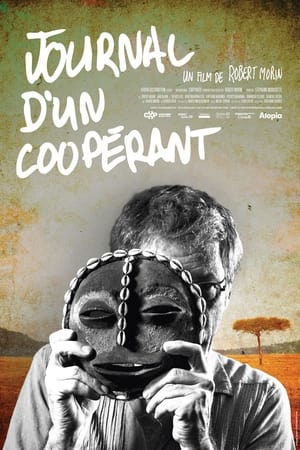
Jean-Marc Phaneuf, an unmarried electrical engineer, travels to Burundi as a volunteer for the NGO Radio du Monde. He finds a country ruined by grinding poverty, famine, war, disease and appalling social inequality. At the same time, he meets a joyful, brave people hungry for happiness, knowledge and human dignity. The camera that becomes his personal diary also helps Jean-Marc expose the shaky, ineffective workings of NGOs. His investigations turn up a few praiseworthy examples of international cooperation, but on the whole he finds himself drawn to a terrible, inescapable conclusion: humanitarian aid is a utopian mirage. After falling victim to an attack and losing whatever ideals he still had, Jean-Marc becomes entangled in an impossible relationship. He is ultimately forced to leave Africa in disgrace.
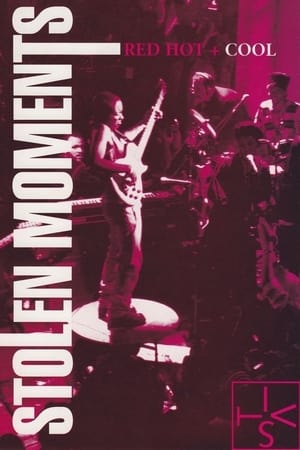
A musical documentary accompaniment to the 1994 benefit compilation album concerning AIDS in the African-American community.