In track and field he’s remembered as The Greatest. Athletics' first commercially global star. Away from the spotlight, his is a life often misunderstood. Carl Lewis did it his own way - unwilling to conform to what the US expected from its athletes. Lewis won nine Olympic gold medals across four Games and was voted “Sportsman of the Century” by the International Olympic Committee. Yet he refused to be pigeonholed and, in doing so, he inspired change on and off the field. I’m Carl Lewis! delves into the consequences of his uncompromising drive.
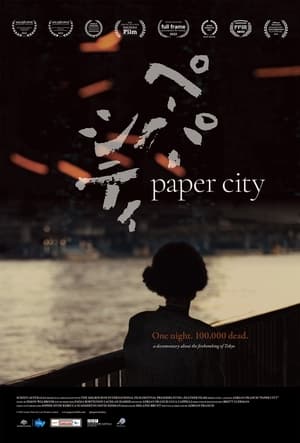
Just after midnight on 10 March 1945, the US launched an air-based attack on eastern Tokyo; continuing until morning, the raid left more than 100,000 people dead and a quarter of the city eradicated. Unlike their loved ones, Hiroshi Hoshino, Michiko Kiyooka and Minoru Tsukiyama managed to emerge from the bombings. Now in their twilight years, they wish for nothing more than recognition and reparations for those who, like them, had been indelibly harmed by the war – but the Japanese government and even their fellow citizens seem disinclined to acknowledge the past.
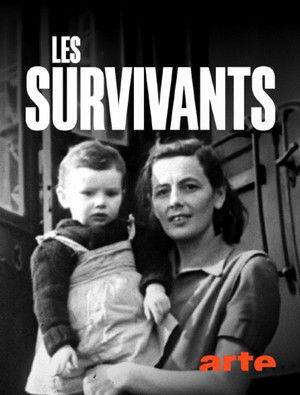
Les survivants, l'impossible départ après la Shoah
André Minvielle, l'homme à la manivelle
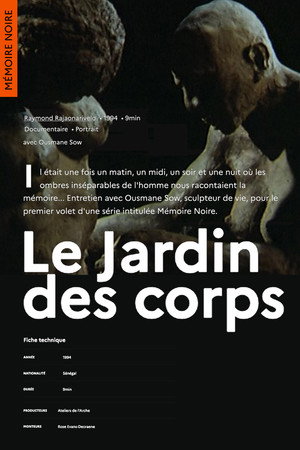
Once upon a time there was a morning, noon, evening and night when the inseparable shadows of man told us about memory... Interview with Ousmane Sow, life sculptor, for the first part of a series entitled Black Memory.
Destroying your own artwork. For many artists it is unmentionable, but Loes Heebink from Kolderveen irreparably destroyed her artwork "Fluisteraars" herself and came up with the idea for a documentary of the same name, directed by Saskia Jeulink.
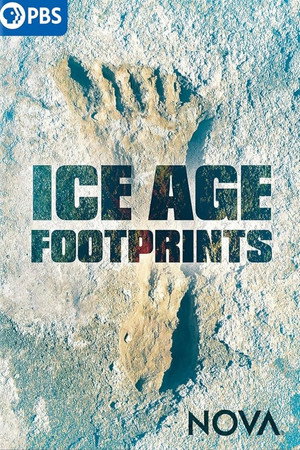
Thousands of footprints stretch for miles across New Mexico’s White Sands National Park, capturing moments when Ice Age humans encountered now-extinct beasts, including enormous ground sloths and mammoths. What can these footprints reveal about the peopling of the Americas and what life was like at the end of the last Ice Age?
A man tells the story of his three cats.
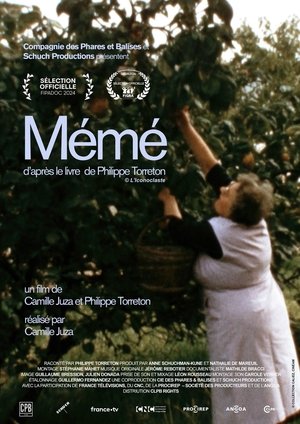
Adapted from famous French actor Philippe Torreton’s best-seller, GRANDMA is the portrait of the actor’s grandmother: a modest, unique but universal Norman peasant. Enriched with amateur films, nourished by major historical events, GRANDMA also tells the story of the end of a world, that of the countryside of our grandmothers, before the abyss of modernity.
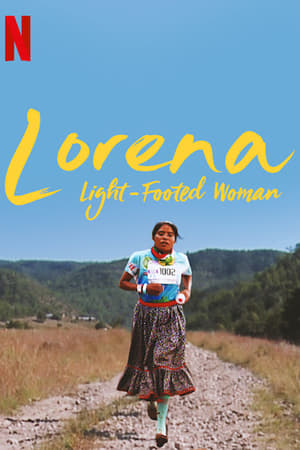
A young woman of the Tarahumara, well-known for their extraordinary long distance running abilities, wins ultramarathons seemingly out of nowhere despite running in sandals.
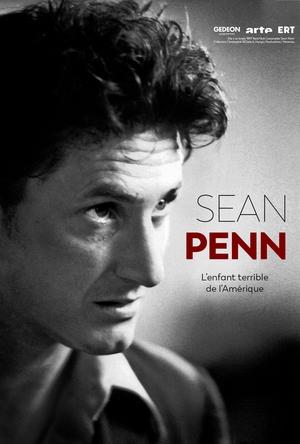
Sean Penn is almost a living legend. His filmography paints a picture of an 'other America': the lower class, the oppressed and the outsiders. Whether as an actor or director, he turns all the great myths upside down.
Enrico Naso is an undertaker in Lampedusa. Constantly confronted with the death that lurks everywhere on this remote rock in the middle of the Mediterranean Sea, Enrico has chosen life, immersing us in what it means to be human.
Jennig
Sancho Panza enters a movie theatre in a provincial city. He is looking for Don Quixote and he finds him sitting off to the side and staring at the screen. The theatre is almost full; the balcony is entirely occupied by noisy children… La proiezione è cominciata (The Projection Has Begun) is an adaptation of The Six Most Beautiful Minutes in the History of Cinema by Giorgio Agamben. It is a portrait in 24 daguerreotypes per second.
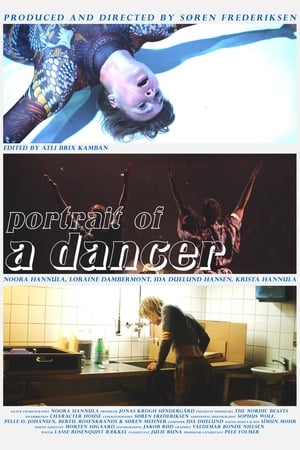
The Finnish modern dancer Noora Hannula dances through this documentary film in her own explosive style. Noora’s life has always been very connected to the artist environment with her grandfather, Simo Hannula, who throughout his entire life dedicated him fully to his art. Noora and her grandfather crossed paths when Noora used a picture of his dead body in her show and now we meet Noora working on her newest show: The Era of No Talent Rising, while she is trying to figure out where her own limits are.
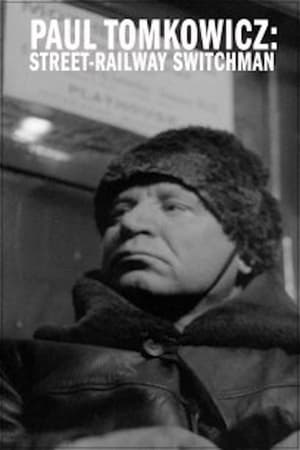
A self-narrated portrait of a Polish immigrant in Winnipeg whose unglamorous job keeping streetcar switches working reveals dignity, resilience, and pride in everyday labor.
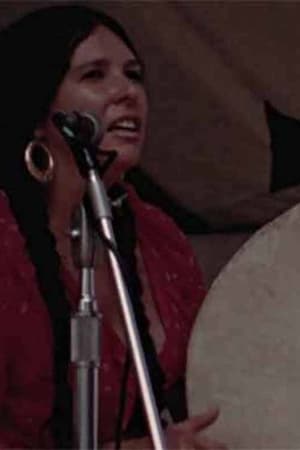
Alanis Obomsawin, a North American Indian who earns her living by singing and making films, is the mother of an adopted child. She talks about her life, her people, and her responsibilities as a single parent. Her observations shake some of our cultural assumptions.
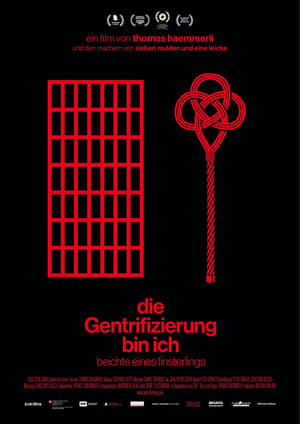
Is the city of Zurich suffering from ‘density stress’? What is it like to live in mega cities such as São Paulo, Mexico City and Tiflis? Filmmaker Thomas Haemmerli broaches the topics of city development, architecture, density, housing market, xenophobia and gentrification from an autobiographical perspective. The path of his life has led him from a childhood in the villa district of Zürichberg, through his teenage years as squatter to flat shares, yuppie apartments and finally second homes in various cities. Only recently having become a dad, he plans to further enhance Zurich’s price appreciation by purchasing a huge, extended city apartment… This multifaceted essay not only humorously questions the filmmaker’s decisions, but also those of the right-wing conservatives, who are afraid of losing their space to immigrants, and the political left, who fail to embrace modern-age architecture.
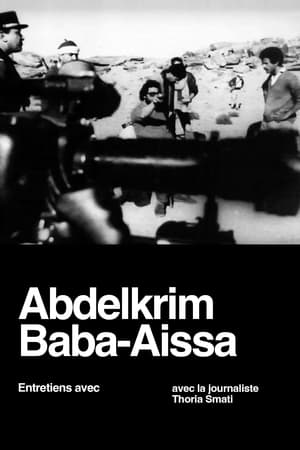
In 2024, Abdelkrim Baba Aissa, aged 75, engages in a series of filmed interviews with Algerian journalist Thoria Smati. They address the chronology of the rich and committed career of this self-taught Algerian actor, director, producer and screenwriter, who made his debut on Algerian television as an assistant director then at ONCIC as a director in the years 70.
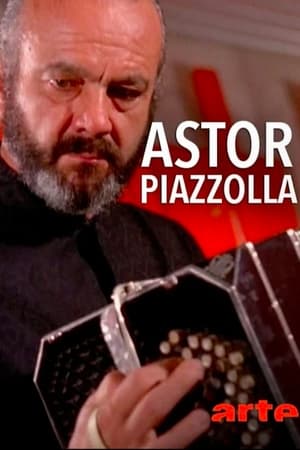
Astor Piazzolla revolutionized the tango. By breaking with the codes of traditional tango, he brought this popular Argentine music from dance floors to concert halls around the world and is now recognized as a major composer of the 20th century. From numerous unpublished private archives, the voices of Astor and his children paint a unique portrait of this complex man.