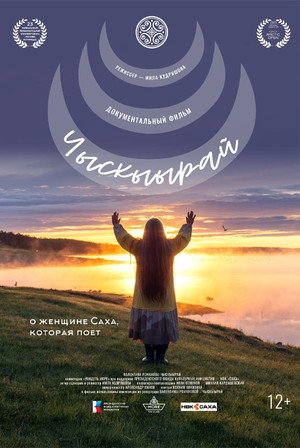
A year in the life of Valentina Romanova, whose fate, as she herself says, is like a mystical thriller and an ancient tragedy.
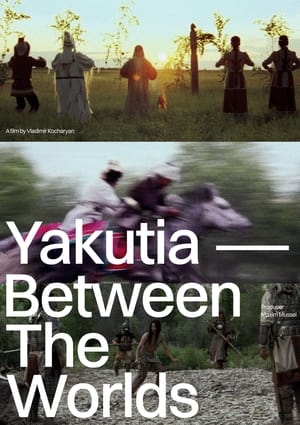
A documentary road movie. Traveling across his homeland, the filmmaker explores what Yakut cinema is, and what it means to the Sakha people and to himself.
Documentary by Dmitry Davydov
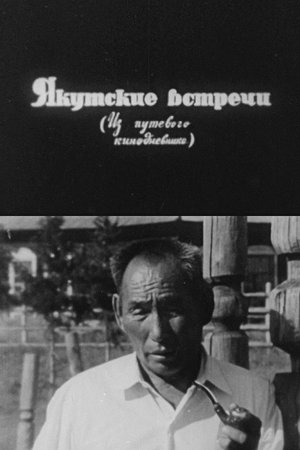
Taking the form of a travel diary of a television journalist, this documentary tells about the life and work of the people of Yakutia: pilots, artists, drivers, and reindeer herders.
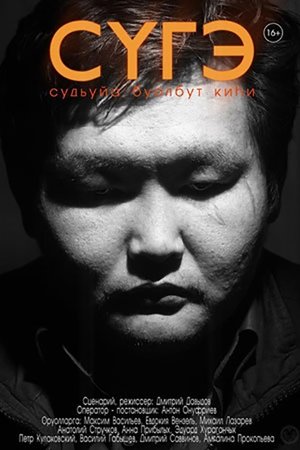
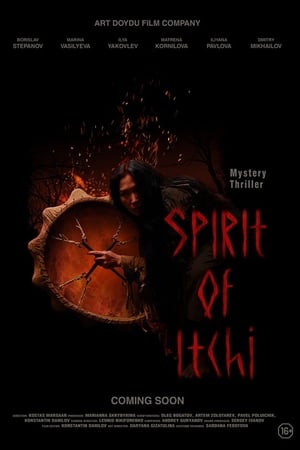
She is a healer. A hermit. A Fool-in-God. She is a little over forty years old. She doesn’t disdain alcohol. She can be ridiculous, humiliated, offended. She has long been indifferent about herself. Everybody avoids her and is afraid of her, but secretly at night they all hurry to her home. After all, only she can get rid of their illnesses. For her, this is a damnation, and each time she swears that she won’t help people any more, but each time she is unable to refuse them. She knows that her gift will ruin her some time, but she continues to be the only chance of salvation for people.
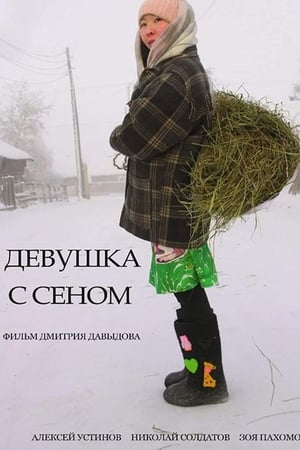
The film shows a few days from the life of a simple young, rural boy who has life difficulties: can't find a job and pay off his mortgage, but still with a good heart – helps a lonely, sick grandmother chop wood, light the stove and buy food.
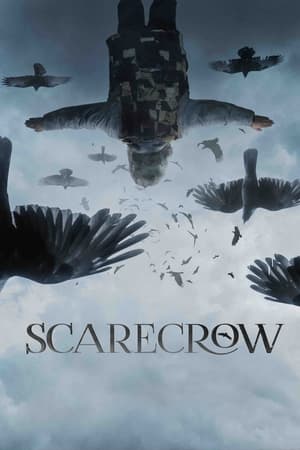
A young couple encounters supernatural terror in their new home.
Short film by Dmitry Davydov
Amateur film by Dmitry Davydov
Short film directed by Evgeny Nikolaev
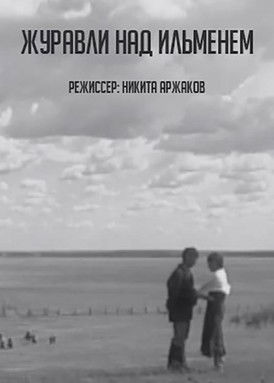
A military drama about the fate of yesterday's schoolboy, a modest young man from a remote Yakut village, who became a fearless Soviet warrior in the year of trials. Not having time to experience the joys of family life with a young wife, the hero says goodbye to her and goes to the front. The film highlights the heroic fate of the Yakut soldiers during the Great Patriotic War, based on the true events that took place on Lake Ilmen in the Novgorod region, and the equally tragic fate of those who remained in the rear - Churapchinsky immigrants who were forced to leave their native places.
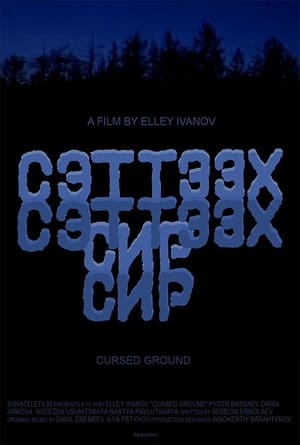
XIX century. A big misfortune happened on the land of one wealthy family in Yakutia. As time passed, fear was forgotten and farmers started settling here again. But ghosts of this land will reveal secrets of forgotten history.
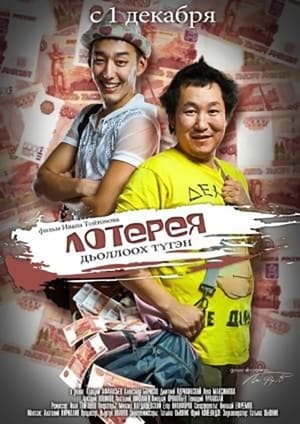
Simple guy Diulus never had any luck in his life, but one day he was lucky, he won a large sum of money... to return home with a win, you need to pass the tests that you will overcome with your best friend.
Three friends take an 8-day road journey to make sense of Lebanon at this moment in time. Each detour in their journey makes for a spectacular experience of co-narration and listening in the face of uncertainty.
I am sitting in a room is a sound art piece by American composer and sound artist Alvin Lucier composed in 1969. The first performance of the work was in 1970 at the Guggenheim Museum in New York. In collaboration with his partner Mary Lucier. The piece features Lucier recording himself narrating a text, and then playing the tape recording back into the room while re-recording it. The new recording is then played back and re-recorded, and this process is repeated. Due to the room's particular size and geometry, certain resonant frequencies are emphasized while others are attenuated. Eventually the words become unintelligible, replaced by the characteristic resonance of the room.
The incredible story of the Yatza Affair an affair in which Brigadier General Res Yitzhak Yaacov was charged with severe espionage against the State of Israel For the first time in a feature film the long arm of the Secret Kingdom of the Israeli defense system which is unleashed on anyone it considers an enemy is revealed. This is a journey into the most primeval fears of the Israelis
We Are Arabbers follows the last of the horse-and-wagon produce vendors along the streets of Baltimore as they struggle to make a living and maintain their unique culture.
Rural Oregon families have taken up the fight against aerial herbicide spraying by the forestry industry for more than 50 years — but has public safety around these substances since improved? Weaving historic archival footage with modern-day stories, the film is a powerful portrait of families grappling with the realities of herbicide exposure in their own backyards.
A documentary produced in 1979 to celebrate the centenary of the birth of Albert Einstein. Narrated and hosted by Peter Ustinov and written by Nigel Calder.
Nous, ouvriers : « Nos rêves ont façonné la société » (1963-1983)