C+M, for YK. Subtractive colour blending is used in an attempt to conjure Yves Klein's 'L'accord bleu (RE 10)', 1960. The limitations imposed by media and technology ensure that my perfect pigment never is, and that what is produced is ephemeral, declarative, and reverent of the impure. Laser printed onto recycled 16mm film in 2014.
a sensorial journey on a scottish island reminding us of the connection between the living questioning our relationship to the sea and to the land
This experimental short traces the lifespan of the graffiti and murals present at the occupation of NYC’s City Hall in June and July of 2020. The encampment formed to demand the abolishment of the NYPD and the reallocation of its resources to housing, education, and other social programs.
Symphonic documentary exploring the Miami identity in six movements. It was performed and projected live by the New World Symphony, led by Michael Tilson Thomas on Feb 22, 2018. The film is made up of five separate and synchronized video channels, projected onto the walls of the New World Center concert hall, above a full symphony orchestra.
Celina y Chichi
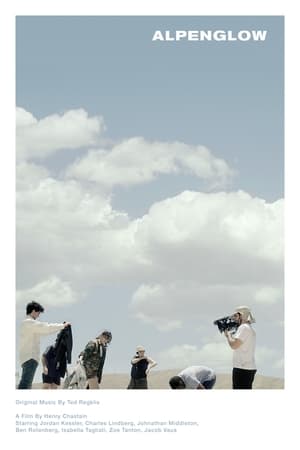
Hand processed expired Kodak 7291, Camera: Beaulieu R16, Lens: Angenieux 12-120mm with +3 Diopter, Polarising filter for the clouds. Hand processed in C-41 chem using a Lomo UPB-1A tank. Still haven't mastered removal of the rem-jet anti-halation layer (thats all the white 'static' on the film). The film expired about 40 years ago.
Documentary without audio produced by deaf people. Music is depicted visually with the complete absence of musical instruments or voices. Directed by Makihara Eri and choreographer Dakei. With a diverse lineup including ordinary deaf people with zero acting experience and a choreographer who performs in Japan and abroad, this film pulls out all the tops to give visual expression to music through the physical body. An aging man uses multiple sign language poems to convey the four seasons, and a girl expresses the wind amidst the rustling trees.
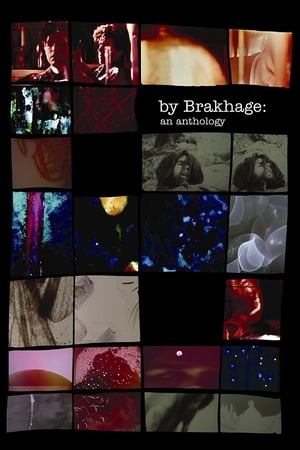
Working completely outside the mainstream, the wildly prolific, visionary Stan Brakhage made more than 350 films over a half century. Challenging all taboos in his exploration of “birth, sex, death, and the search for God,” he has turned his camera on explicit lovemaking, childbirth, even autopsy. Many of his most famous works pursue the nature of vision itself and transcend the act of filming. Some, including the legendary Mothlight, were made without using a camera at all, as he pioneered the art of making images directly on film, by drawing, painting, and scratching.
Missed connection regret at that one late-night spot—the kind you keep playing back in your head but not quite ever remembering right, until it starts to look like something else.
Ijó Dudu: Memórias da Dança Negra na Bahia
Seven actors are brought to an isolated house where they must stay in character for three days under constant surveillance.
Kelli Connell spent a decade investigating and editing Edward Weston's photographs, Chris Wilson's writings, and her own photographs and writings to create the exhibition: Kelli Connell: Pictures for Charis and its accompanying book. - Cleveland Museum of Art
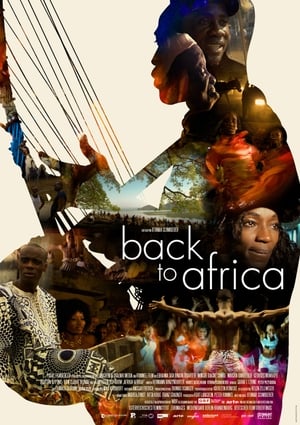
An Austrian director followed five successful African music and dance artists with his camera and followed their lives for a year. The artists, from villages in Ghana, Gambia and Congo, were the subjects of Africa! Africa! touring across Europe, but they have unbreakable roots to their homeland and their families. Schmiderer lovingly portrays his heroes, who tell their stories about themselves, their art and what it means to them to be African with captivating honesty. The interviews are interwoven with dance scenes and colourful vignettes set to authentic music.
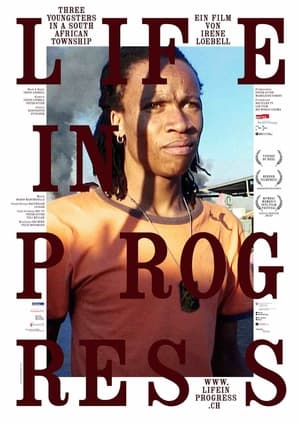
Life in Progress
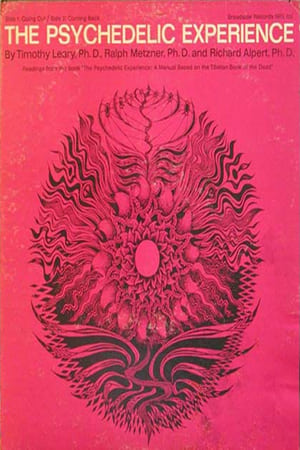
Experimental movie, where a man comes home and experiences LSD. His kaleidoscopic visions follow, with readings inspired by the Tibethan Book of the Dead.
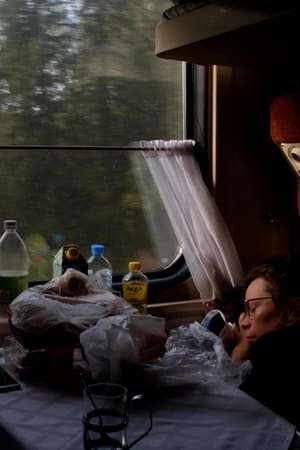
Travel films have an established format with their own conventions, history and baggage. It is a medium that has all too often sought to control, define and dictate perceptions of ”other” places. Comprised of footage shot while travelling on group excursions across Russia in 2019, An Uncountable Number of Threads is an attempt to draw out the ethical restrictions of a travelogue, while questioning how (and why) to make one. At times there is an awkward tourist-gaze, aware of its outsider position. But as a self-reflexive work that considers its own creation, it ultimately unravels, as the artist rationalises themselves out of a particular way of working, inviting the viewer into their uncertainty.
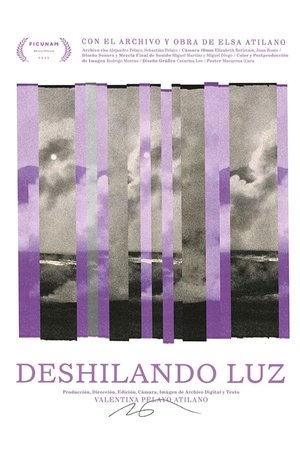
A film essay that intertwines the director's gaze with that of her late mother. Beyond exploring mourning and absence as exclusively painful experiences, the film pays tribute to her mother through memories embodied by places and objects that evidence the traces of her existence. The filmmaker asks herself: What does she owe her mother for who she is and how she films? To what extent does her film belong to her?
When temporary solutions become the status quo, who gets left behind? A Stop Gap Measure follows disability activist Luke Anderson in his fight for accessibility to be a right, not a privilege.
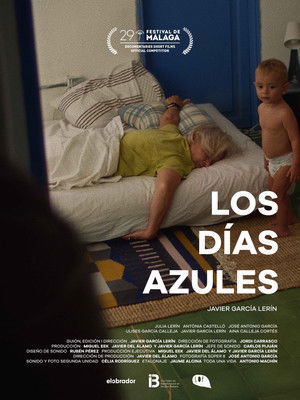
Julia is my mother. She's worked as a hairdresser all her life, but she's retired now. She spends her weekdays cooking and styling her friends' hair; but her greatest dream is taking care of her grandson, my son. He comes to visit us once a week and stays overnight. The morning after one of those nights, my mother tells me she thinks she's had a stroke. I don't know what to say; I hug her. Two weeks later, we shot this film.
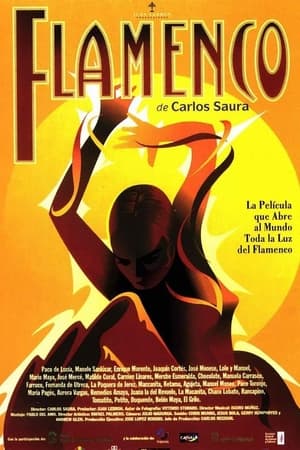
The film presents thirteen rhythms of flamenco, each with song, guitar, and dance: the up-tempo bularías, a brooding farruca, an anguished martinete, and a satiric fandango de huelva. There are tangos, a taranta, alegrías, siguiriyas, soleás, a guajira of patrician women, a petenera about a sentence to death, villancicos, and a final rumba.