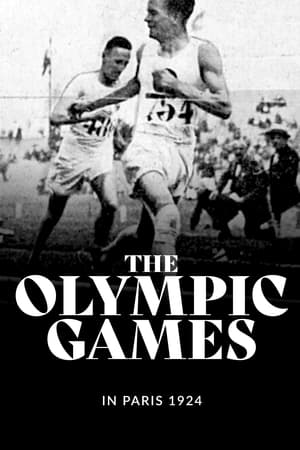
A documentary on the 1924 Olympic Game in Paris.
Explores three astonishing worlds lying beneath Paris: a vast sewer network, the world's busiest metro, and a maze of ancient quarries hiding a dark secret.
Women (many of them lesbian) artists, writers, photographers, designers, and adventurers settled in Paris between the wars. They embraced France, some developed an ex-pat culture, and most cherished a way of life quite different than the one left behind.
Ulrike Ottinger weaves her personal memories of Parisian bohemianism and the serious social, political and cultural upheavals of the time into a cinematic “figure poem.”
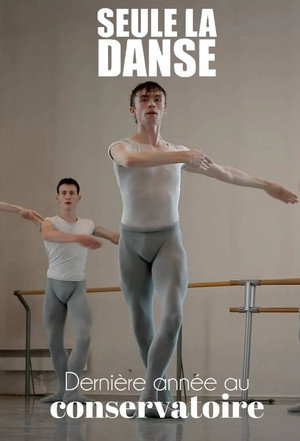
Seule la danse, dernière année au conservatoire
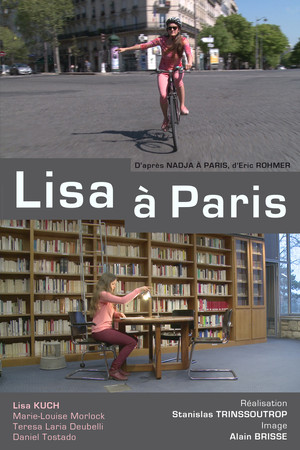
Lisa à Paris
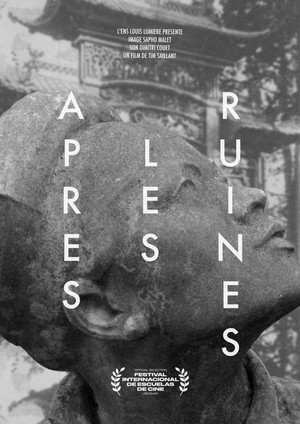
At the beginning of the 20th century, two major colonial exhibitions took place in the Bois de Vincennes near Paris. Today only a few silent ruins remain.
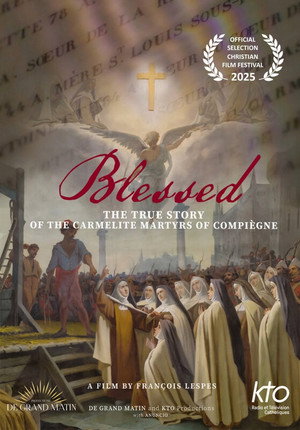
Bienheureuses : La véritable histoire des Carmélites martyres de Compiègne
Louzine is a place uniting several music styles and several destinies. Men and women work there, who have come together because they master music instruments and have almost all had the same type of life: exile. Louzine is a mecca for tolerance concerning music. Gnawa music plays with rock and blues, chaâbi (traditional from Algiers) is on familiar terms with jazz, Kabyle music dances with Celtic sounds. This is where groups like Orchestre National de Barbès, Zerda, Thalweg, Gaâda, Cheikh Sidi Bémol could develop, thanks to such fecund diversity in which Breton bagpipes and North African qarqabous joyfully mingle, and free improvisation mixes with unchanging traditional chorus. All songs, be they in Arabic, Kabyle, French or English, tell about home, about love, hope, immigration, daily life, and are often full of humour.
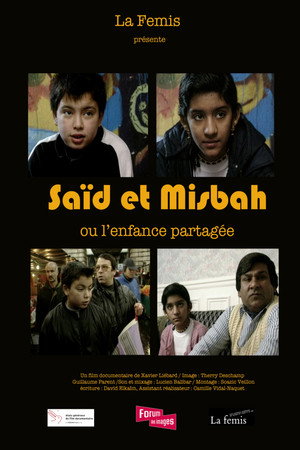
Saïd et Misbah ou l'enfance partagée
La Toilette des pensées
Lutèce, sur les traces des Parisii
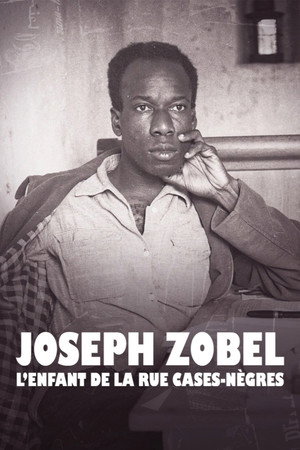
Joseph Zobel, l'Enfant de la Rue Cases-Nègres
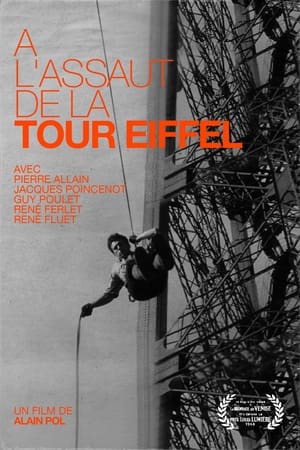
Four experienced mountaineers climb the three floors of the Eiffel Tower through the pillars of the building. A police officer, overwhelmed by the events, does not succeed in arresting the intrepid who reach the summit with agility under the stunned eyes of tourists. They then abseil and happily throw themselves into the Seine to celebrate the feat.
Released on March 16th, 1919. Produced by Burton Holmes.
Footage of the Paris Carnival of 1897. Shot with the Cinématographe Joly-Normandin
Paris, for once, not chic and prim, but raunchy, kinky, and uncompromising: This documentary explores a subculture in which fetish, BDSM, techno, and performance art came together around the turn of the millennium to form a distinct way of life in the French capital.
Travelogue produced by Burton Holmes. Released on September 7th, 1919.
Released on July 20th, 1919.
Shot with the Cinématographe Joly-Normandin