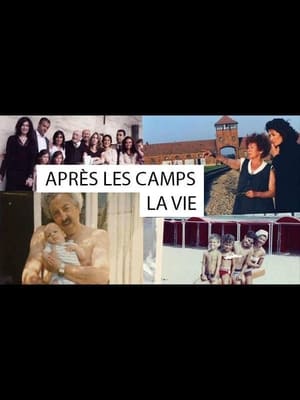
For the first time, survivors talk about life after the camps. How does one return to a life that was interrupted with such violence? How does one reconstruct oneself when all or most of one’s family were butchered? How does one resume studies and earn a living in a society that had cast you out a few years earlier?
Edgar Morin, chronique d'un regard
Chine, la fabrique d'une nation
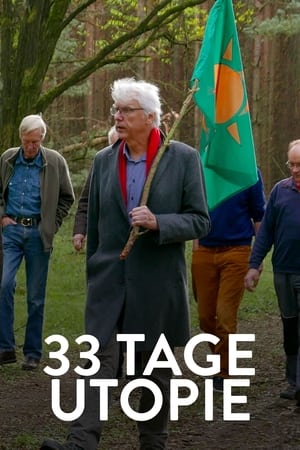
In May 1980, more than 800 people lived for 33 days near Gorleben in the protest camp ‚Free Republic of Wendland‘ and thus prevented for a short time drilling for the planned nuclear waste repository in the nearby salt dome.
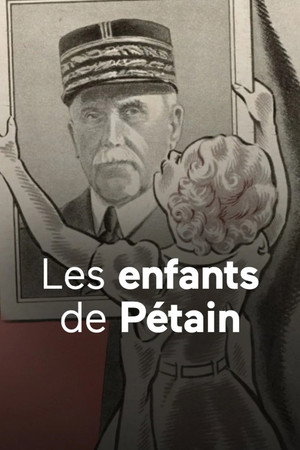
Les enfants de Pétain
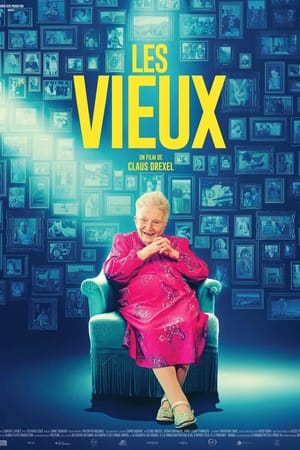
They come from all walks of life and have lived for almost a century. They have lived through the upheavals of history. They are funny, moving and rebellious. They surprise and amaze us. Yet we rarely hear their voices. This film is an invitation to travel across France and meet them: the Old People.
Le mystère Cléopâtre, la dernière reine d'Egypte
Una festa per la città - Venezia 1973
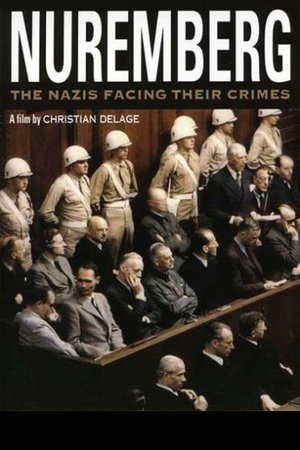
The documentary of the Nuremberg War Trials of 21 Nazi dignitaries held after World War II.
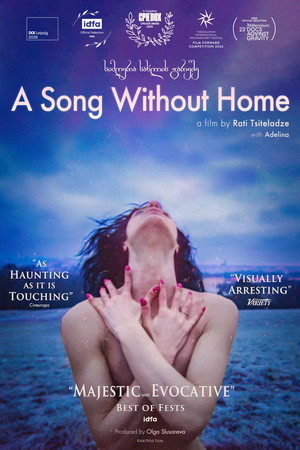
After 11 years confined to her family home, Adelina flees from a Georgian village to Vienna in search of the freedom to be herself. As she builds a new life, she faces a past that refuses to let her go. Through immersive imagery and the mother-daughter bond, A Song Without Home paints a layered portrait of belonging and the complexity of freedom beyond physical liberation.
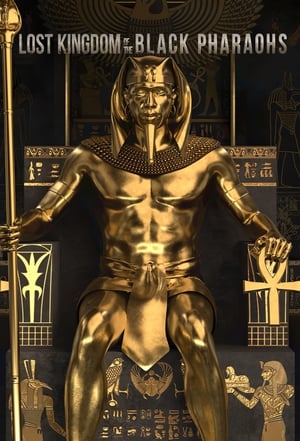
The Kush Empire was an ancient superpower that dominated the Nile Valley and rivaled the Egyptians, and now, a new, cutting-edge investigation at a mysterious tomb could reveal the secrets of this formidable lost kingdom.
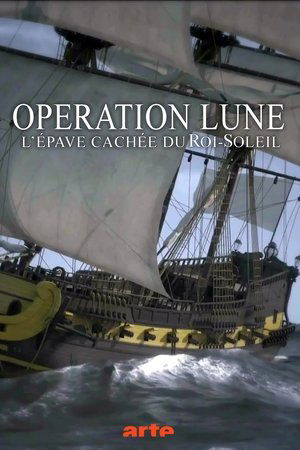
Louis XIV's ship La Lune was wrecked off Toulon in November 1664. The ship was returning from an expedition to the Barbary Coast with nearly one thousand people on board, simple seamen or nobles of the highest rank. Discovered by a submarine in 1993, the wreck lies in 90 metres of water. In a state of magificent preservation, like some underwater Pompei, she will, starting in 2012, be the subject of an exceptional archeological investigation, bringing together history and robotics, the expertise of archeologists and the passion for the deep.
Words of Captain Scott uses readings of the diaries and letters of Captain Scott, his companions, and those of his Norwegian rival Roald Amundsen - to tell the story of their epic South Pole expedition in their own words.
Druids have existed far longer than hitherto assumed, since the 4th century BC. Their traces are found all over middle Europe: from the northern Balkans to Ireland. Their cultural achievements were equal in almost every way to those of the Romans and Greeks: They could read and write and spoke Greek and Latin - for centuries, they were the powerful elite of their culture. Only one single Druid is known by name to history: Diviciacos - an aristocrat of the Aedui and personal friend of Julius Caesar. Diviciacos was a politician, a judge and a diplomat, but he lived at a time when the Celtic lands of Gaul were conquered by the Romans. Greek and Roman contemporaries distrusted the actions of this forbear of the famous comic book druid Getafix: They imagined him in bloody rituals in somber woods.
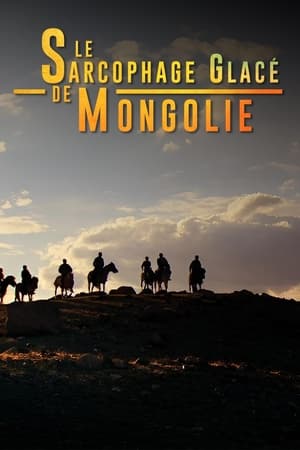
In the Frozen Tomb of Mongolia
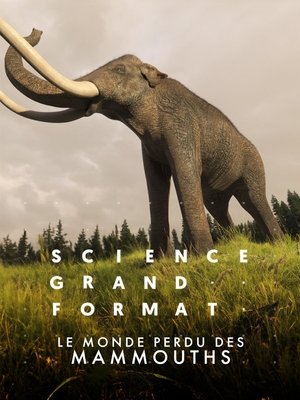
Le monde perdu des mammouths
Dans la peau des premiers paysans français
Coluche, Le Luron : Morts de rire
From the acclaimed director of American Movie, the documentary follows former Los Angeles police officer turned independent reporter Michael Ruppert. He recounts his career as a radical thinker and spells out his apocalyptic vision of the future, spanning the crises in economics, energy, environment and more.
Archival footage, animation and music are used to look back at the eight anti-war protesters who were put on trial following the 1968 Democratic National Convention.