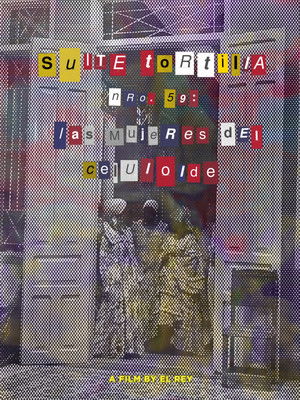
An American lesbian in Cuba explores gender through dance and film, blending personal experiences and cultural symbols with music and Revolutionary cinema and questions how lesbians fit into Cuban cinema.
Isla Negra: Neruda y el mar
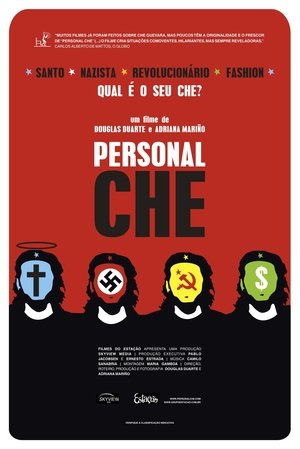
A documentary that explores the myth behind the truth. Different people around the globe reinterpret the legend of Che Guevara at will: from the rebel living in Hong Kong fighting Chinese domination, to the German neonazi preaching revolution and the Castro-hating Cuban. Their testimonies prove that the Argentinian revolutionary's historical impact reverberates still. But like with all legends, each sees what he will, in often contradictory perspectives.
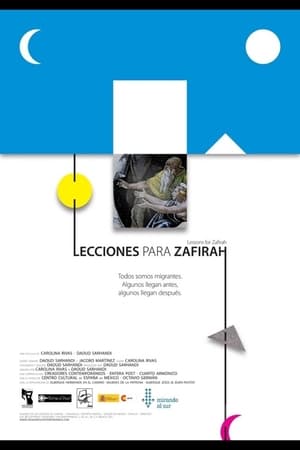
A metaphor of the Flood in our times, The Flood is the rain of violence that washes over us. Noah´s Ark is the train that runs through Mexico toward the United States and migrants are the species attempting to save their lives. For the directors, cinema moves people not just by condemnation, but by confronting and fostering emotions which lead to new, constructive ideas. This documentary became a cinematographic diary for their first viewer, their three-year-old daughter, Zafirah.
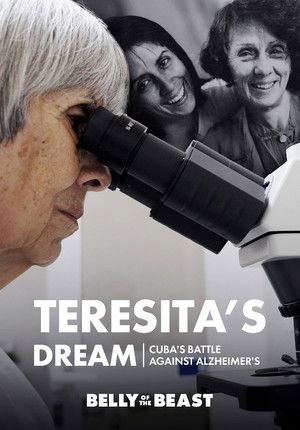
Teresita's Dream follows the extraordinary story of Cuban scientist Teresita Rodríguez. When her mother is diagnosed with Alzheimer’s, Teresita embarks on a deeply personal and politically complex journey to find a treatment – joined by a team of mostly women scientists. What begins as an effort to help her mother, leads to a discovery that could change how the world treats this devastating disease forever.
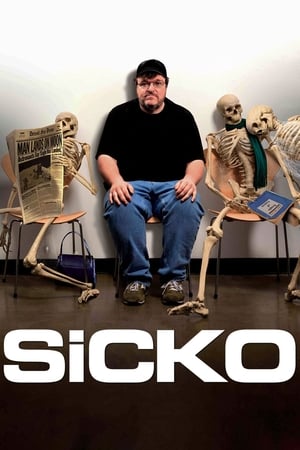
A documentary about the corrupt health care system in The United States whose main goal is to make profit even if it means losing people’s lives. "The more people you deny health insurance, the more money we make" is the business model for health care providers in America.
The primary motif of the documentary is the journey. A metaphorical journey, a spiritual journey, a tangible journey, a forest path, a road, a sidewalk, a drug trip, or a journey abroad. The director pastes together a collage of micro-stories of people and places that comment on the journey. Her documentary oscillates between playful absurdism, existentialism and existential questions, environmentalism, and social commentary. The dynamism and rhythm of the narrative are then determined by the jumps between different forms of video, such as analogue film, digital film, and mobile phone filming.
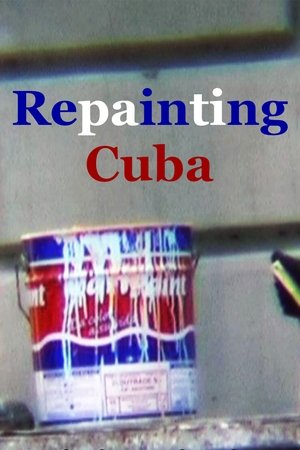
Repainting Cuba takes a critical look at communist Cuba, where both the facades and the aging regime were given a coating of colorful paint in connection with the 50 year anniversary of the revolution. Two young Cubans under house arrest talk about being imprisoned for dealing with foreign tourists in a society where gossip and backstabbing is endemic, and where the heavy varnish can’t conceal the cracks.
Poetic stroll in the work of Jean Genet.
This documentary highlights the evolution of Brazil's Circo Voador venue from homespun artists' performance space to national cultural institution.
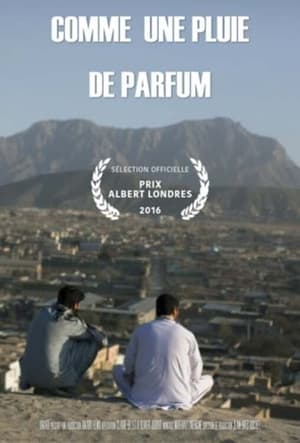
Five Afghan men try to reach Europe. The filmmakers followed them for over six months, filming their clandestine journey and chronicling a migration combining fantasy and stark reality, setbacks and achievements, in the midst of the dangers of such trips.
77777
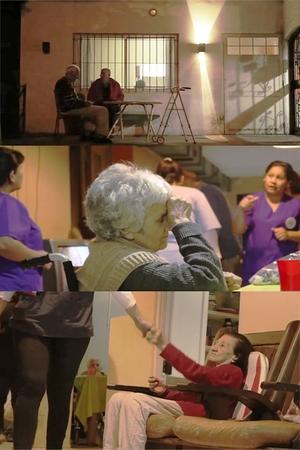
Asilo (Prototipo)
In the mountains of Colombia's Coffee Triangle, a family faces the shadow of armed conflict. Years later, a son reconstructs the inherited fear, amidst echoes of the past and invisible scars. A sensory journey into memory, where the unspoken still resonates.
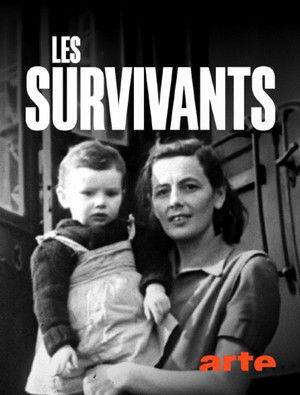
Les survivants, l'impossible départ après la Shoah
The word trauma has many shades. The documentary Confession opens up the topic of sexual harassment in the church, which the director has experienced first-hand. She looks back at the world before the trauma, and searches for answers herself to the questions of whether she will be able to come out of it after some time, and whether she will find the courage to tell her parents about it.
The film explores the reasons for emigrating from Italy and describes the feeling of being a stranger in one's own country after many years in Switzerland. It is the sequel to Emigrazione.
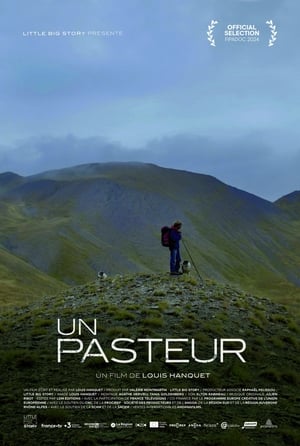
Félix, a young, melancholic and secretive shepherd, leads a surprisingly timeless life. He lives alone and works along his father to raise the family herd. From autumn to spring, he looks after his animals, feeds them and keeps them in the dense forests of holm oaks of French Pre-Alps. In the summer, he travels on foot for more than two hundred kilometres, leaving his father to lead the herd to the mountains pastures, in the High Alps Ubaye valley. There, he lives far from everything for many long months, in a mineral and inaccessible world where an invisible being prowls: the wolf. Against the tide of his time, Félix has chosen a profession that isolates him and keeps him out of the world.
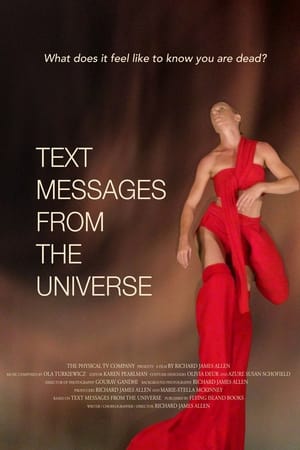
A film that immerses its audience in subjective states of consciousness they might experience when they die, imagining what they can see and think and hear in a seamless but fragmentary flow of poetic images, words and music. The viewer undertakes a journey into their own interior world of dreams and projections in which time and space, and cause and effect logic, are turned on their heads. Text Messages from the Universe is inspired by The Tibetan Book of the Dead, a text which guides souls on their journey of 49 days through the 'Bardo', or intermediate state, between dying and rebirth.
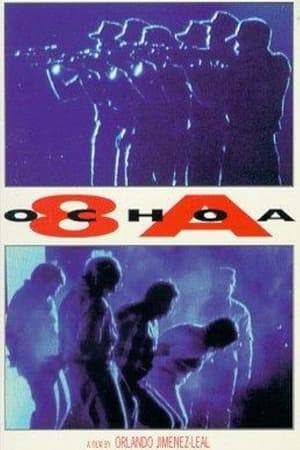
The Kafkaesque world of Cuba under Castro's rule is brought to light in this reconstruction of the 1989 trial and execution of General Arnaldo Ochoa Sanchez, the highest-ranking general and hero of the revolution, and commander of the Angolan and Ethiopian campaigns.