Gurdeep is a thirteen-year-old Canadian Sikh whose family runs a dairy farm near Chilliwack, British Columbia. They have retained their language and religion. Attendance at the Sikh temple, playing soccer with his schoolmates, and working on the farm are all part of Gurdeep's well-integrated life, but sometimes he feels a little different from the other children because he wears a turban. This film is part of the Children of Canada series.
The injustice of the Japanese internment is explored through the story of Kyuichi Nomoto, one of the first Japanese Canadians to graduate from UBC, who suffered a breakdown deep in the BC Interior.
In 1921 the Kwakiut'l people of Alert Bay, British Columbia, held their last secret potlatch. In 1980 at Alert Bay, the U'mista Cultural Centre (U'mista means "something of great value that has come back") opened its doors to receive and house the cultural treasures which were seized decades earlier and only then returned to the people. The center also took up activities such as recording stories told by elders so that some part of the past would always be alive and teaching children about their heritage in order to make them feel connected to their ancestors. This film documents the cultural significance of these events for today's Kwakiut'l people. It is an eloquent testimony to the persistence and complexity of Kwakiut'l society and to the struggle for redefining cultural identity for them.
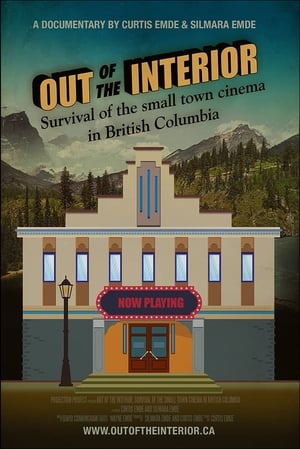
The hard-working cinema owners and operators of the small towns found in BC's southern interior are doing more than showing movies and selling popcorn––they are bringing their communities together.
This film takes us into the harsh realm of BC's early coal mines, canneries, and lumber camps; where primitve conditions and speed-ups often cost lives. Then, the film moves through the unemployed' struggles of the '30s, post WWII equity campaigns, and into more recent public sector strikes over union rights.
High atop Sinkut Mountain in northern British Columbia, Bart Vanderlinde begins each summer's day the way he has for the past nine years: scanning the forest for smoke. He's among the last lookout people in the province. Where three hundred lookouts once formed an interconnected network across the region, Bart now often keeps watch alone. This is an intimate portrait of a man and a profession facing obsolescence. The film gives insight into the craft of fire detection while capturing the quiet solitude of a life lived in observation.
This film joins five of the world's leading whale researchers on a scientific expedition around Canada's Vancouver Island. Spectacular photography and sound recording, both above and under water, provide an imtimate look at killer, gray, and humpback whales, and the world they inhabit. Island of Whales examines the communication, habitat, food supply and behaviour of whales. What emerges is a picture of creatures more sophisticated and complex than ever before imagined. At the end of the film, we are left with one compelling question: Can these magnificent creatures survive in the face of declining food supplies and pollution?
This short documentary offers a portrait of life on a cattle ranch, for both its human and animal inhabitants. Featuring sprightly music by folk singer Pete Seeger and narration by theatre actress Frances Hyland, the film is shot through the seasons on a large Canadian cattle ranch near Kamloops, British Columbia. With hundreds of cows and calves on the ranch, there’s no shortage of work to be done: soil cultivation and crop maintenance are taken care of by seasonal ranch hands while the resident cowboys—“anxious guardians”—brand and breed their bovine charges.
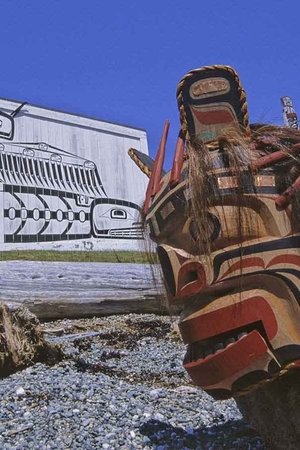
When Masset, a Haida village in Haida Gwaii (formerly known as the Queen Charlotte Islands), held a potlatch, it seemed as if the past grandeur of the people had returned. This is a colourful recreation of Indigenous life that faded more than two generations ago when the great totems were toppled by the missionaries and the costly potlatch was forbidden by law. The film shows how one village lived again the old glory, with singing, dancing, feasting, and the raising of a towering totem as a lasting reminder of what once was.
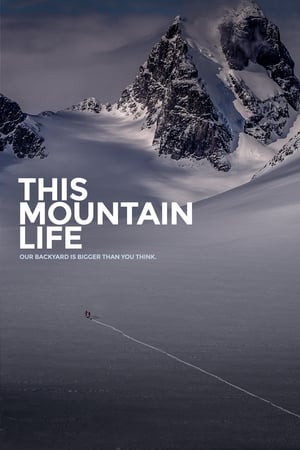
A daughter and her 60-year-old mother embark on a 6 month, 2,300-kilometre ski trek through British Columbia’s rugged terrain.
This documentary profiles the eight couples who challenged marriage laws in British Columbia in court until same-sex marriage was recognized in 2003. As controversy swirls around this issue worldwide, Why Thee Wed? offers surprising and diverse perspectives on what it means for gay and lesbian couples to walk down the aisle and to fight for the right to do so under the law.
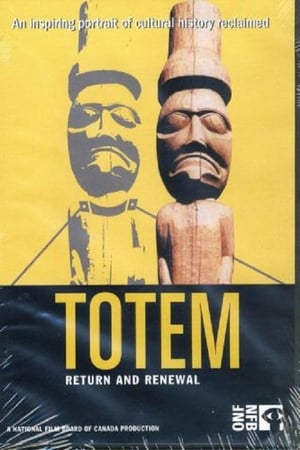
In this follow-up to his 2003 film, Totem: the Return of the G'psgolox Pole, filmmaker Gil Cardinal documents the events of the final journey of the G'psgolox Pole as it returns home to Kitamaat and the Haisla people, from where it went missing in 1929.
To date, more than a hundred young men from the South Asian community have died in gang-related violence in Metro Vancouver. Gangs are a reality of urban life, yet behind the body count and the headlines, a far different battle is being waged. Educators and parents are taking action against gang violence. Director Baljit Sangra's documentary Warrior Boyz takes an unflinching look at the root causes of gang violence, and offers real solutions and a hard-fought hope for the future.
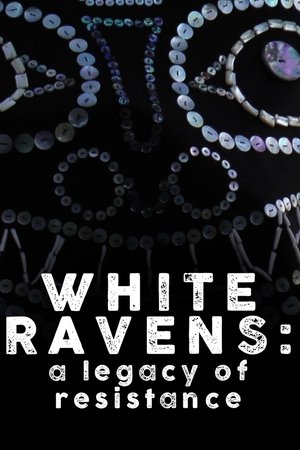
Filmed on the island of Haida Gwaii, this documentary depicts the ongoing resistance and resurgence of the Haida people and their culture against the different manifestations and trauma of colonization.
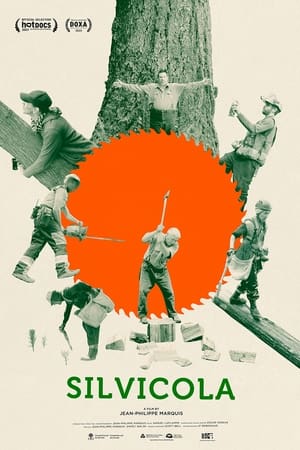
The human impact on forests is explored through breathtaking vistas and poignant vignettes set in Canada's Pacific Northwest. Those who rely on this precious resource highlight the tensions and dilemmas between commodification and conservation.
This documentary tells the story of a Chinese cemetery in BC that became a National Heritage site. For Chinese pioneers who died in Canada, Victoria's Chinese Cemetery at Harling Point was a temporary resting place until their bones could be returned home. (Traditional Chinese belief says that the soul of a person who dies in a foreign place wanders lost until their bones are returned home.) This film traces the rich history of the Vancouver Island cemetery from controversy and neglect to its revival as a historic site. Told by those closest to it, the story of Harling Point is a metaphor for Canada, a country still working on making a home for all who live within its borders.
From British Columbia, a day at a youth festival reminiscent of the folk fairs of medieval times, organized by people who choose to live outside the usual social pattern. The Pleasure Faire offered crowds a wide variety of hand-made objects--jewellery, beadwork, leatherwork, art, pottery. More than that, it provided a day of music, minstrel songs, dancing, and people participating in the spirit of the occasion, free of any commercialism or constraint. A day of joy, relived through the film.
Beautiful Lennard Island
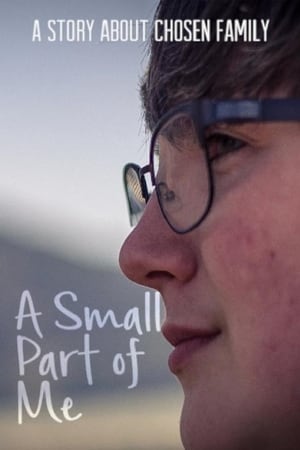
Tobin, a transgender teen living in Squamish, BC, prepares for his acting debut where he’ll be playing a male leading character in the youth play. While rehearsals are in progress, his friends and chosen family band together to help remove him from a difficult living situation and connect him the support he needs.
Over Beautiful British Columbia is a spectacular scenic tour of Canada's Pacific province. Savor the grandeur of British Columbia as you join a helicopter adventure from elegant Victoria to rugged Fort Nelson, from the ski slopes of Whistler to the sun-drenched Okanagan shores, from the razor spine of Mount Robson to the primeval coast of the Queen Charlotte Islands.