Ashes
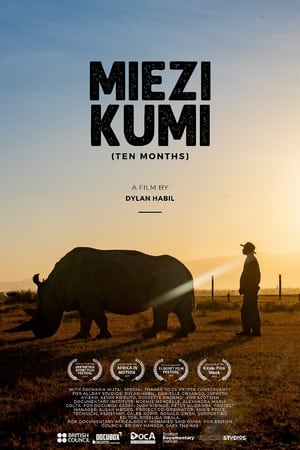
MIEZI KUMI (TEN MONTHS) is a short documentary of the love between Zacharia Mutai, his family and the last two northern white rhinos, which he has to take care of for ten months in a year.
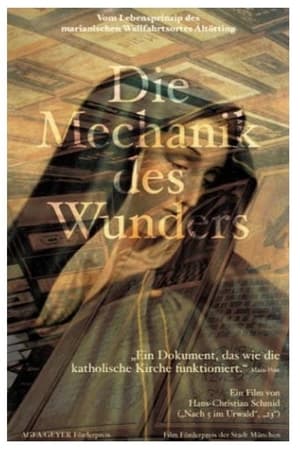
Altötting in Bavaria, around 120 km from Regensburg, is a much-visited pilgrimage site. Numerous Catholic pilgrims come here every year. The photographs show various groups of pilgrims in search of extraordinary and spiritual experiences, which are contrasted with the ordinariness of village life. The secular-commercial organization of the pilgrimage site and the marketing of the miracle do not always make it easy to distinguish between pilgrims and tourists, pilgrimage and spectacle, faith and madness.
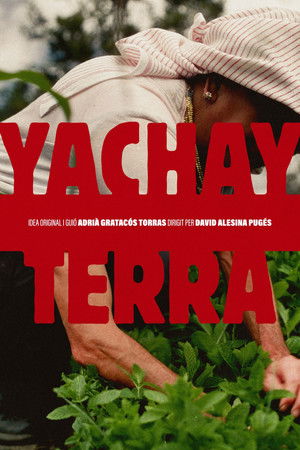
Mariana and Xevi work the land from opposite ends of the world. Rooted in agroecology, their projects trace a quiet dialogue between territory, nature and family.
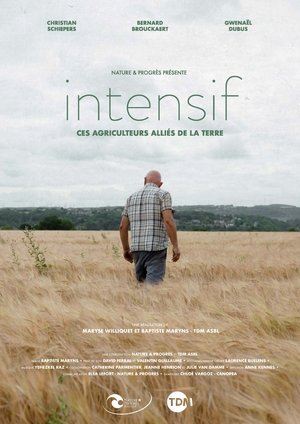
Intensif
A portrait of environmental folk hero & gay icon Bob Brown, who took green politics to the center of power. His story is interwoven with the life cycle of the ancient trees he's fighting for.
Laos - Alles hat seinen Preis
An educational film about the life cycles of various types of pond life.
Filmmaker Suzannah Herbert takes a sharp look at the American South’s unreconciled history through a Mississippi town that mixes antebellum tourism with a community deeply divided over its past. With an unflinching lens, the film captures the debates, memories, and tensions that are building toward a reckoning.
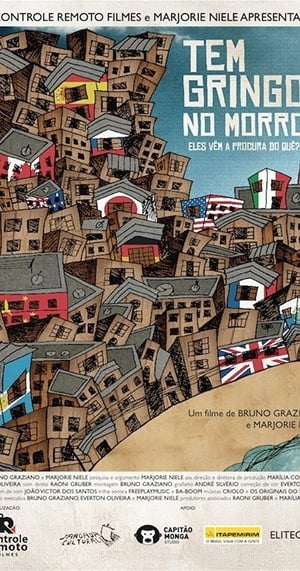
Documentary about the foreign tourism in Rocinha, the biggest Latin America's favela, which receives about 3.000 foreign tourists per month. They come to Rocinha looking for the most varied aspects, from the poorness to the violence, from the geography to the architecture, from the viewing to the atmosphere, from the curiosity to the welfarism.
In this film we join Alice as she meets committed naturists, newcomers to naturism, and discovers a kaleidoscope of naturist opportunities including Pevors Farm and the Merryhill Music Festival.
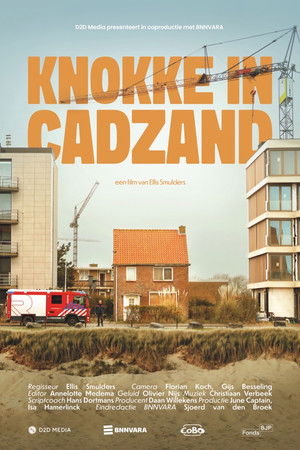
In the Zeeland coastal village of Cadzand, tourism provides year-round employment and vibrancy. At the same time, permanent residents are disappearing, and housing is becoming unaffordable. Clubs are shrinking, amenities are under pressure, and the fire department is facing a shortage of volunteers. The coast is being filled with expensive apartment complexes for tourists, while young people are struggling to find affordable housing. Economic growth is clashing with social cohesion and nature. How do residents of a Zeeland coastal village combat the financial pressures when their village is overrun by tourists and white facades with red roofs dominate nature reserves?
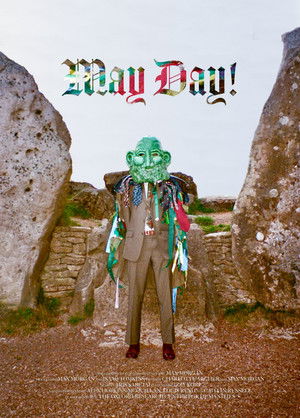
May Day! is a feature-length documentary which follows Oxford's thousand-year old tradition of May Morning, the largest celebration of its kind, regularly attracting over 15,000 people each year. It is a collage-like portrait of the tradition, attempting to find out how the celebration has survived the separation between the land and its people, what the pagan festival means thousands of years after its inception, and how it shapes and contributes to our nation's sense of self.
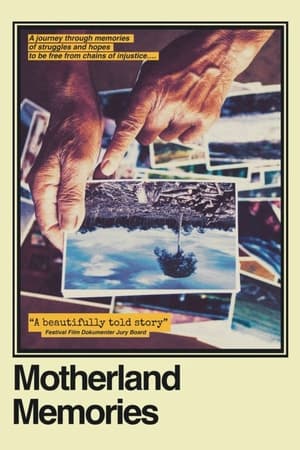
Ompung Putra Boru, a sixties indigenous Batak woman from Humbang Hasundutan, North Sumatra, retraces her life stories through photographs that interweave her past and present as a wife, mother, healer and indigenous land defender in two neighboring villages. Her multi-layered stories are juxtaposed with visual records of everyday life in the two villages, where people’s living space is still increasingly threatened by a giant pulp expansion.
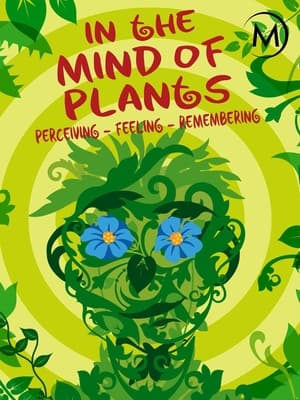
Neurobiology has shown in the recent years that contrary to the traditional boundaries between animal and plants, plants can feel, move and even think. Over the recent years, a small but growing group of researchers from Austria, Germany, Italy, UK, Japan, South Africa and the USA, has developed a new scientific field of research: the neurobiology of plants. Their discoveries question the traditional boundaries set between the animal and the vegetable kingdom: plants are capable to develop the cognitive process claimed by humans and animals. If plants can move, and feel... Could they possibly think ? In a creative and captivating scientific investigation style, through spectacular specialist photography and CGI, and re-creating scientific experiments, this documentary is bound to change your own perception of plants.
Wisconsin's tribe's ongoing fight to protect Lake Superior for future generations. "Bad River" shows the Bad River Band of Lake Superior Chippewa's long history of activism and resistance in the context of continuing legal battles with Enbridge Energy over its Line 5 oil pipeline. The Line 5 pipeline has been operating on 12 miles of the Bad River Band's land with expired easements for more than a decade. The Band and the Canadian company have been locked in a legal battle over the pipeline since 2019.
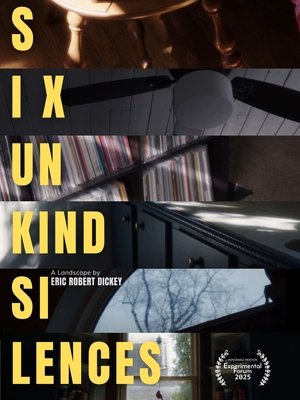
A Landscape documentary about the silent voids the living inhabit after everyone they love has gone.
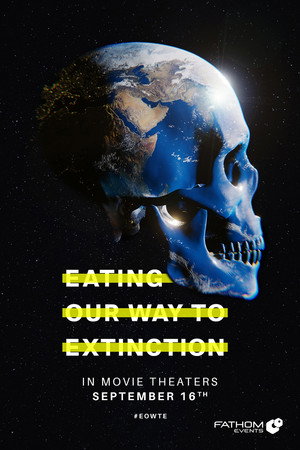
With searing insight that shines light in dark corners, EATING OUR WAY TO EXTINCTION is a compelling feature documentary that opens the lid on the elephant in the room no one wants to talk about. Confronting and entertaining, this documentary allows audiences to question their everyday choices, industry leaders and governments. Featuring a wealth of world-renowned contributors including Sir Richard Branson and Tony Robbins, it has a message of hope that will empower audiences.
Atlanta has the largest urban tree canopy of any major city in North America. The Tree Economy follows the forces of development, economics, and politics threatening to erase the defining characteristic of one of America's great cities. Through the voices of tree activists, arborists, urban designers, elected officials, and developers, filmmaker James Schroeder documents a city at a crossroads.
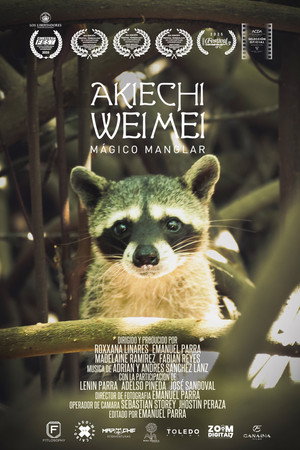
In Lake Maracaibo, a land formation created by oil dredging accidentally created a biodiversity sanctuary: an island covered in mangrove forest.