Arquivo Vivo
A Brazilian production that portrays a journey of struggle, faith, hope and transformation through powerful life experiences.
Bandidos de Farda
Seu Fiuza
Among bodies, jokes, eye-catching posters, and packed movie theaters, pornochanchada became one of the most popular- and contradictory- phenomena in Brazilian cinema. This documentary delves into a cinema of excess and irreverence to investigate how, during the military dictatorship, films apparently considered “minor” became box-office successes and exposed the fractures of a conservative, unequal, and closely watched country.
Disque Quilombola
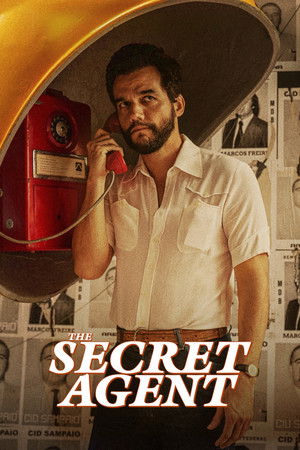
Brazil, 1977. Marcelo, a technology expert in his early 40s, is on the run. Hoping to reunite with his son, he travels to Recife during Carnival but soon realizes that the city is not the safe haven he was expecting.
Cinema, Poema e Gangrena
Fraternura
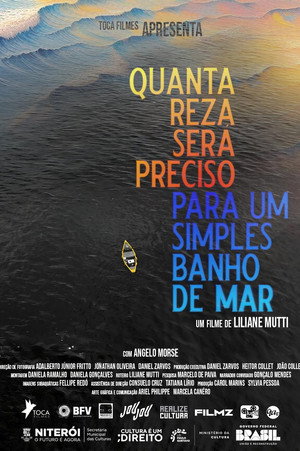
Quanta reza será preciso para um simples banho de mar
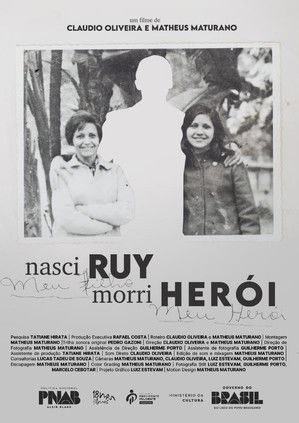
nasci ruy, morri herói
The Cruspian Experience is a documentary made in June 1986 about CRUSP, the University of São Paulo’s student housing complex, from its occupation by students fighting for housing in 1963. The CRUSP portrayed in the film was an important center of political resistance to the military dictatorship during the 1960s and 1970s, as well as a space for diverse forms of community life and experimentation in the 1980s. The documentary features accounts by José Dirceu, then a student and later a prominent Brazilian politician who went on to serve as a minister during Lula’s government and was subsequently convicted and imprisoned on corruption charges. The documentary was directed by Nilson Queiróz Couto and received the “Prêmio Estímulo” (Incentive Award) from the São Paulo State Secretariat of Culture.
Catarse
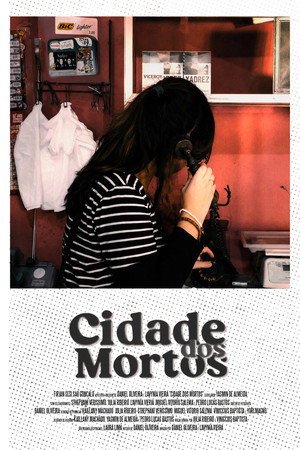
Brazil, 1977. In a world inhabited only by the dead, Sophia, newly arrived in this strange place, receives a letter from her father, Marcelo, asking her to visit him. Unsure of his intentions or what awaits her, she journeys through a city marked by violence, fear, and the scars of the dictatorship, seeking a reunion that could change her relationship with the past.
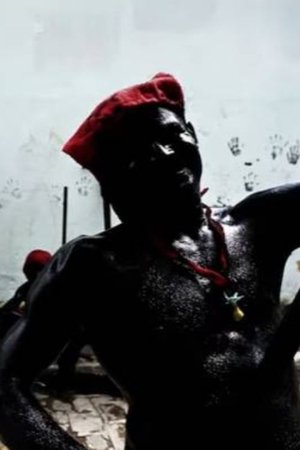
Lambe sujos X Caboclinhos is a documentary that addresses the characteristics, contradictions and conflicts of the folk manifestation Lambe sujos x Caboclinhos, an open-air street theater in which the battle is staged between negroes fled from the senzala and Indians who were hired by the lord of ingenuity to capture them and bring them back to the slavery.
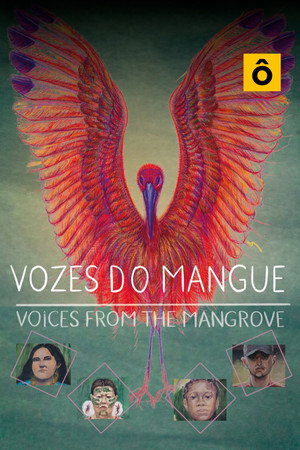
Vozes do Mangue
Assalto Ao Banco do Cariri
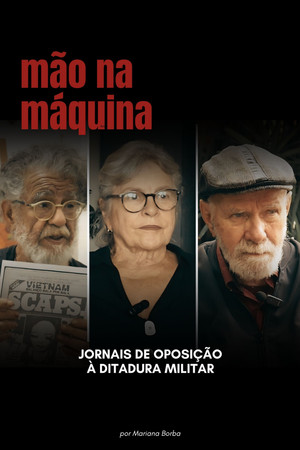
Mão na Máquina: Jornais de oposição à ditadura militar
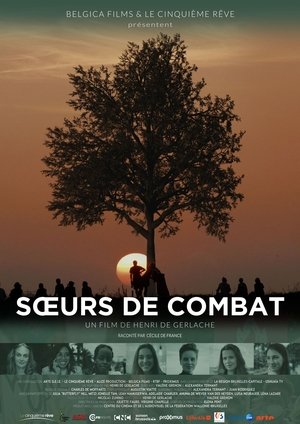
In the wake of Greta Thunberg, the youth has been fighting for several months to save our planet. Leading the marches, on the front pages of the media as well as on social networks, young women have become, sometimes unintentionally, the key figures of this movement. Who are these women? Why are they so cheered and criticized at the same time? To better understanding of the commitment of Anuna and Adelaide (Belgium), Luisa (Germany), Lena (France), Leah (Uganda) and Artemisia (Brazil), we decided to follow them, but also to compare their struggle with that of another extraordinary woman who preceded them: Julia Butterfly. Twenty years ago, after spending 738 days on top of a majestic sequoia, this young American activist managed to save a thousand-year-old forest from being cut down. The film tells the story of the journey of these committed young women, each in their own way, but all driven by a unique energy, these "sisters in arms" tell their doubts and their desire.
The poet Eirik Havnes performs a self-written poem as 50 filmmakers, dancers, extras and musicians are in action. Livet av Havnes is a hybrid between poetry, theater and concert. A live existential journey through Oslo's streets over the course of 45 minutes on 12 September 2020 between 19:02 and 19:47.