To reclaim what was lost during and after their military duty, a group of veterans gather every Saturday morning to march to a new beat in the first national veteran's program: On-Corps.
Veterans of the Vietnam War tell about their experiences. The disasters but also the glorious moments of war. The central figure in the documentary is the scenario writer of Full Metal Jacket, Michael Herr. The veterans describe how it felt to kill for the first time and how those feelings still haunt them.
Hope is an intimate portrait of a military family fractured by the invisible wounds of war. At its heart is Catherine, a decorated soldier and mother who returns from deployment profoundly changed—emotionally withdrawn, plagued by guilt, and struggling with addiction. Her daughter, Hope, once protected by her mother's strength, becomes a witness to her unraveling, forced to mature too quickly amid the chaos of relocation, strained family bonds, and a lack of institutional support. As Catherine battles to reintegrate, her marriage collapses, and the military’s absence of post-deployment care deepens her isolation. Her husband leaves, her daughter grows distant, and Catherine is left with the crushing realization that service came at a cost no one prepared her for.
"Resilience: The Kim LeBel Story" follows the remarkable journey of a woman who overcame a violent, abusive upbringing in Alabama and Georgia to serve honorably in the U.S. Navy. After defending herself from a traumatic family life, Kim joined the military, only to face new challenges—gender discrimination, sexual harassment, and the brutal realities of combat in Afghanistan. Despite being shot and witnessing the horrors of war, Kim's indomitable spirit and courage shine through. Her story is a powerful testament to the resilience of women in the military, offering an intimate portrayal of survival, strength, and triumph against the odds.
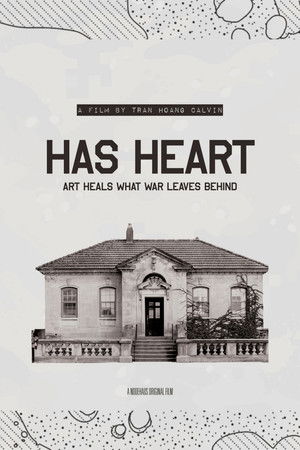
HAS HEART is an intimate and inspiring documentary capturing the emotional journey of U.S. Navy veteran Michael Hyacinthe and artist Tyler Way, who unite to transform veterans' experiences through the power of art. After serving in conflict zones and experiencing personal loss and trauma, Michael grapples with his own sense of identity and purpose. He finds new meaning by collaborating with Tyler, a talented footwear designer, to create a unique space where veterans can express their untold stories through art and design.
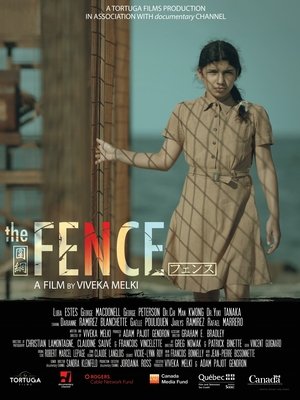
Two thousand Canadians suffered the longest incarceration anywhere in the Second World War, a bitter four-year period inside Japanese POW camps in Hong Kong and Japan.
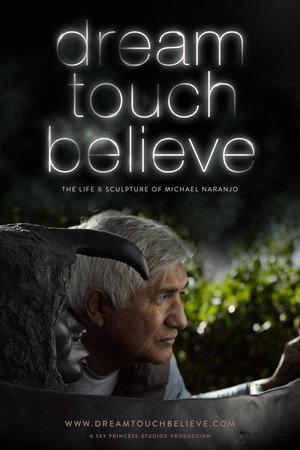
Dream Touch Believe is an award-winning, critically acclaimed feature documentary that follows the inspiring story of Santa Clara Pueblo sculptor Michael Naranjo. As a young man Naranjo lost his eyesight in the Vietnam War, but not his vision. He fought past critics and a war injury to achieve his lifelong dream of becoming an acclaimed artist.
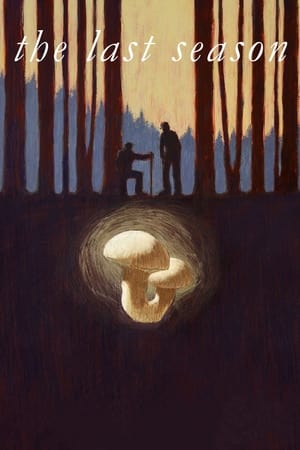
In search of the lucrative matsutake mushroom, two former soldiers discover the means to gradually heal their wounds of war. Roger, a self-described 'fall-down drunk' and sniper in Vietnam, and Kouy, a Cambodian refugee who fought the Khmer Rouge, bonded in the bustling tent-city known as Mushroom Camp, which pops up each autumn in the Oregon woods. Their friendship became an adoptive family; according to a Cambodian custom, if you lose your family like Kouy, you must rebuilt it anew. Now, however, this new family could be lost. Roger's health is declining and trauma flashbacks rack his mind; Kouy gently aids his family before the snow falls and the hunting season ends, signaling his time to leave.
Rob C., a firefighter in Idaho, undergoes psychedelic-assisted psychotherapy in an attempt to address his PTSD.
“The Singer: A Montford Point Marine” tells the story of Henry Charles Johnson, one of the first African Americans in the U.S. Marine Corps and a professional crooner. Lured by the dignified Marine uniform and the allure of the G.I. Bill, he's abruptly thrown into the bare, segregated world of Camp Montford Point, a far cry from the lush expansiveness of Camp Lejeune he'd imagined. The harsh realities of Southern segregation strike a jarring contrast to his accustomed diversity of Manhattan, escalating further with hostility from drill instructors. Undeterred, his resolve is galvanized by the dream of donning the Marine uniform and the prospects following discharge. Post-discharge, Johnson immerses himself in New York's music scene, enchanting audiences with his soulful, Sinatra-esque timbre. This riveting narrative portrays the unmatched fortitude of the Montford Point Marines, representing a crucial African-American, American, and globally relevant human experience.
A young filmmaker joins a tour of WWII veterans from the 29th Infantry through celebrations surrounding the 70th anniversary of D-Day in a quest to better know her late grandfather.
Narrated by Sarah Jessica Parker, Honorable but Broken highlights the highs and significant lows -- the emotional toll of the job, lack of mental health resources, pitiful wages and overall undervaluation -- of working in EMS, and looks for viable solutions.
Explore the world of injured US soldiers - their loss, pain, redemption and rise as they return to an America which is ill-equipped for them. When a missile exploded next to his helicopter, Walt Fricke's life changed forever.
In the midst of World War II, the 6888th Central Postal Directory Battalion, an all-female African-American unit, undertook the monumental task of sorting and delivering a massive backlog of mail for the U.S. military. Despite facing deplorable working conditions and the pervasive dual discrimination of race and gender, these women served their country with unbreakable determination and pride. Led by the formidable Major Charity Adams, they not only achieved their mission in half the expected time but also broke barriers, standing firm against inequality and inspiring future generations. Tragically overlooked for years, the story of the 6888th sheds light on a remarkable, untold chapter of American history, reflecting both the triumphs and injustices that shaped the nation's path towards civil rights. Their courage and resilience continue to resonate, a poignant reminder of the societal strides still needed to fully recognize and honor their invaluable contribution.
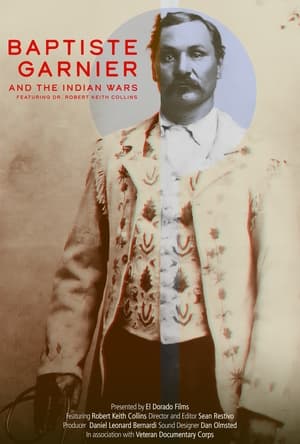
In 1866, as the U.S. modernized its military, the Army Reorganization Act allowed Native Americans to enlist as scouts, heralding a profound era of change. Amidst this backdrop, the film unfolds the story of Baptiste Garnier, a half Oglala Sioux, half French-Canadian scout known as "Little Bat." Torn between his Sioux roots and his U.S. allegiances, he navigated the brutal Indian wars and was at the heart of pivotal battles, including the tragic Wounded Knee massacre. Although perceived as a bridge between two worlds, Baptiste's duality often led him to make heartbreaking decisions. By the time of his untimely death in 1900, shot by a white bartender over a bar tab dispute, he epitomized the complex weave of identity and legacy, raising questions about the cost of serving two peoples in a divided America.
In a profound exploration of faith, service, and identity, this documentary film follows Brenda Elizabeth Threat, an ordained minister in the African Methodist Episcopal Church and a military chaplain in the California State Guard. Born in Los Angeles, Threat's story is a captivating tapestry of her spiritual journey, her tireless advocacy for veterans, her innovative response to 9/11, and her reflections on race and personal integrity. Her life is a testament to the power of perseverance, love, and community. Guided by a commitment to education and a mission to help others be the best they can be, her story is a soul-stirring reminder that each of us has the potential to make the world a better place, one good deed at a time.
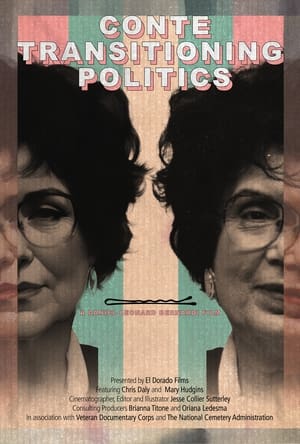
An extraordinary tale of resilience unfolds against the backdrop of intense political rivalry and media scrutiny. Joanne Conte, the indomitable child of Italian immigrants, weathers the storm of public vilification as her past is unceremoniously plastered across the front pages of Colorado papers and on The Maury Povich Show. Yet, this assault on her character is not enough to halt the unwavering march of her life of service. She breaks barriers as the first transgender person to be elected to a city council in U.S. history, but her identity extends far beyond this groundbreaking accomplishment. As a valiant soldier, an impassioned activist, and a tenacious politician, Conte carves out a formidable legacy. This is an emotionally charged and evocatively detailed portrait of Joanne Conte, a multifaceted individual who lived her life far beyond the simplistic narratives of headlines.
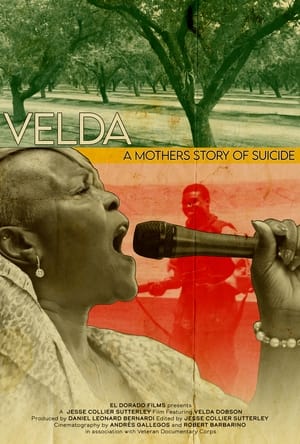
In the poignant and thought-provoking short film, a distressed mother, Velda, takes center stage as she recounts the tragic tale of her son, Michael, who battles inner demons after being sent to war. As she navigates through the gut-wrenching chronology of his enlistment on the eve of 9/11, his traumatizing experiences in combat, and his futile attempts at readjustment after returning home, the narrative unravels to reveal the silent and insidious toll of war on the mental health of soldiers. Compelled by her son's devastating suicide, Velda transforms her grief into a call for action, articulating her concerns about the military's approach to mental health issues in a letter to the president. This heart-rending short film underscores the often overlooked consequences of war, giving voice to those left in its devastating wake.
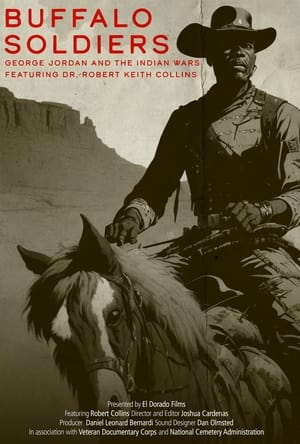
“Buffalo Soldiers: George Jordan and the Indian Wars” is a poignant examination of the marginalized history of the Buffalo Soldiers - African American servicemen who bravely served in numerous conflicts only to face scorn, ridicule, and suppression of their stories back home. The film's epicenter is George Jordan, a formerly enslaved man turned soldier whose exemplary courage in battles etches a stark contrast against his forgotten legacy. Juxtaposing the resistance of Apache Chiefs and braves with Jordan's unwavering will to protect his comrades and white settlers, the narrative challenges us to reconcile often overlooked aspects of the formation of the West. With a stark reminder of Jordan’s decline due to his heroic yet under-acknowledged efforts and the refusal of the Army to provide him with care, the film crescendos into a plea for recognition of the Buffalo Soldiers, ultimately asking what we can give to make our country better.
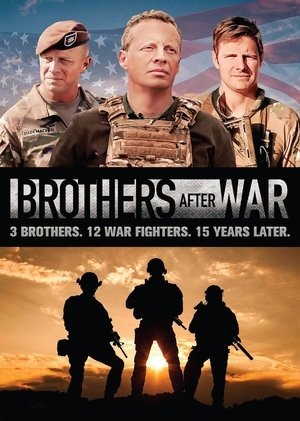
Jake Rademacher reconnects with his brothers and soldiers he embedded with in Iraq. He creates a unique “then and now” journey into the toll of war and a never before seen look at war fighters and the veterans they become.