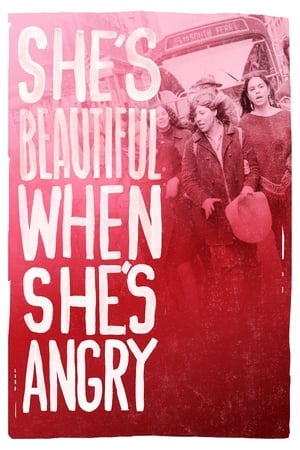
A documentary that resurrects the buried history of the outrageous, often brilliant women who founded the modern women's movement from 1966 to 1971.
Female composers' names are mentioned throughout history.
A presentation of the historical process of rape, followed by a more recent approach of current studies that reinforce ÒRape Reliefs own statistics.
Vancouver s two leading authorities on sexism in the school system, Linfa Shuto and Reua Dexter, relate their opinions on the problem and some solutions that they are working on. The tape also includes a short historical look at women s position in education and a critical discussion on sex stereotype roles by Grade 6 students.
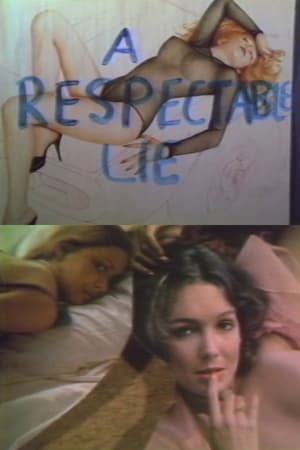
A video essay using images and interviews to critically explore the history and current role of pornography.
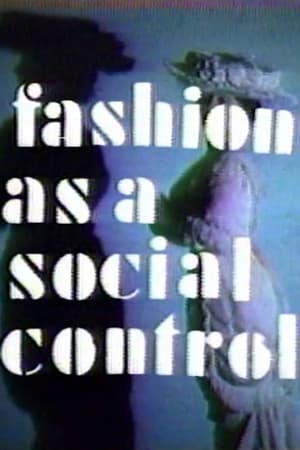
A look at the ways fashion has been used to socially control women in Canada, both historically and in the 20th century.
Widerstandsmomente (Moments of Resistance) carries voices, writings, and objects from the anti-Nazi resistance into the present. Politically engaged women of today respond to historical resistance and make links to current events. A line is drawn from what was before and what is today to what might be: a society based on solidarity without discrimination or exclusion.
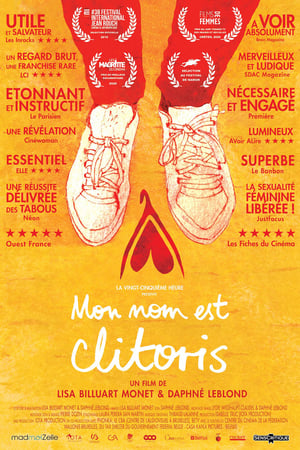
This documentary film is a dialogue between young women about female sexuality. Addressing the subject with freedom, courage and humor, they share their stories and experiences with the desire to change the world around them and to assert their right as women to an informed sexual education, free of constraints and taboos.
Writings and social media posts help to reveal the secret life and troubles of Luigi Mangione, the man accused of the brazen murder of United Healthcare CEO Brian Thompson and whom so many people are calling a hero.
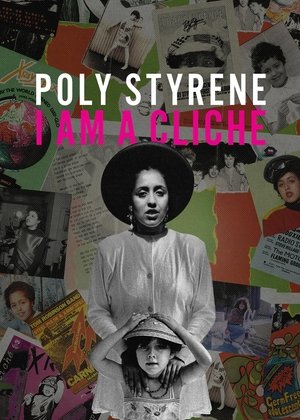
The death of punk icon and X-Ray Spex front-woman Poly Styrene sends her daughter on a journey through her mother's archives in this intimate documentary.
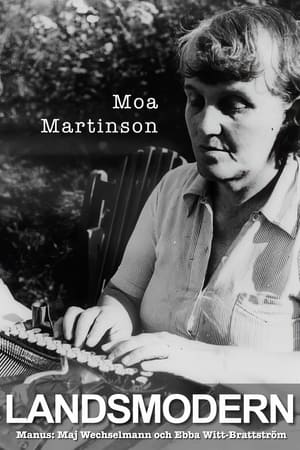
Documentary about Moa Martinson.
Vladimir Putin and Donald Trump — one the President of the United States, the other the President of Russia. Two men at the pinnacle of global power whose relationship keeps the world on edge. One a former businessman, the other a former KGB agent. Both have been active in politics for years. What drives them? The struggle over a possible ceasefire — or even peace — in Ukraine brought the two together last summer in Anchorage. But the question remains: who wants what? And who is succeeding with what agenda?
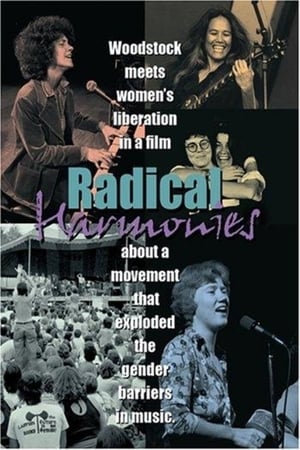
Interviews and performance footage are used to provide an overview of the women's music scene.
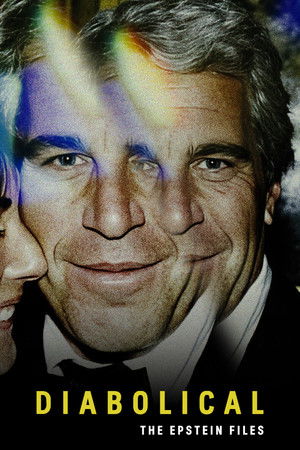
It's the scandal that has shocked Americans and rocked the Trump administration. A legal and political saga that has shattered fundamental beliefs that all are equal in the eyes of the law. What do the Epstein Files reveal?
Climate change is accelerating the melting of glaciers around the world. A study conducted across all continents sounds the alarm about the urgent need to preserve them.
Documentary about the Lyon sex workers who occupied the church of St. Nizier on June 3, 1975.
Sisters! follows the work of Southall Black Sisters (SBS). It foregrounds the ongoing activism of the organisation and the daily challenges faced when fighting for social and political change.
Balavoine, enquête sur un destin tragique
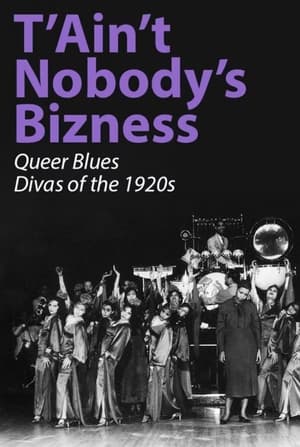
The 1920s saw a revolution in technology, the advent of the recording industry, that created the first class of African-American women to sing their way to fame and fortune. Blues divas such as Bessie Smith, Ma Rainey, and Alberta Hunter created and promoted a working-class vision of blues life that provided an alternative to the Victorian gentility of middle-class manners. In their lives and music, blues women presented themselves as strong, independent women who lived hard lives and were unapologetic about their unconventional choices in clothes, recreational activities, and bed partners. Blues singers disseminated a Black feminism that celebrated emotional resilience and sexual pleasure, no matter the source.
A docu-drama shot in 1970, but not completed until 1973, the film sought to encapsulate in an experimental form issues that were under discussion within the Women’s Liberation Movement at this time and to thus contribute to action for change. In its numerous community screenings, active debate was encouraged as part of the viewing experience.