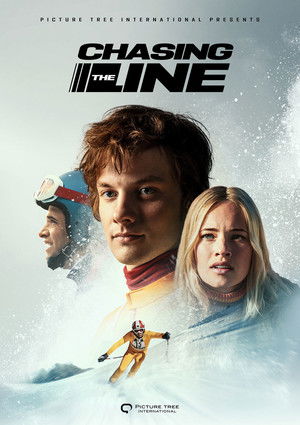
Barely 22, Franz Klammer finds himself at the “eye of the storm” when he shows up for the men’s downhill competition at the 1976 Winter Olympic Games. Since the previous season the charismatic newcomer has won virtually every race. The pressure from the media and the public and the hopes of an entire nation are off the scales. His sponsor is pushing him to switch equipment right before the competition, the weather is getting steadily worse, and his toughest rivals know that Franz has to do better than just a flawless run. Franz senses that he has to find his own path and that only the love of his life can give him the strength to do that. This is the most important race of his life in which he skis a line that nobody even thought was possible and which will make him to this day a legend in the sport of downhill skiing.
Arte Errante
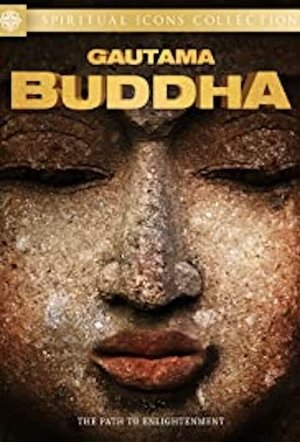
One man has shown the world the true pathways to spiritual enlightenment. His name is synonymous with everything that is Zen. This Documentary, Gautama Buddha, Evidence of Enlightenment will serve to uncover the evidence of a higher being... A truer purpose... shown to us by a man known as The Buddha.
The 'Quit India Movement' of 1942.
German director Gordian Maugg creates this curious documentary/reenactment of the life of Hans Warn, adventuring sailor-turned-photographer. Born in Bremen in 1899, the young Hans signs on to the good ship Herbert in 1914, but not before he persuades his mother to buy him a camera. What starts as a hobby soon develops into a passion. Soon Hans is documenting his life on the high seas and his ship's six-month capture during World War I. Later, Hans marries the girl next door, Wilma, but their family life is sporadic because of his seafaring career. Maugg uses a wide palette of cinematic tricks and devices to recall the early years of the century, including sepia tinting, decorative intertitles, distressed footage, and other idioms of early silent documentaries.
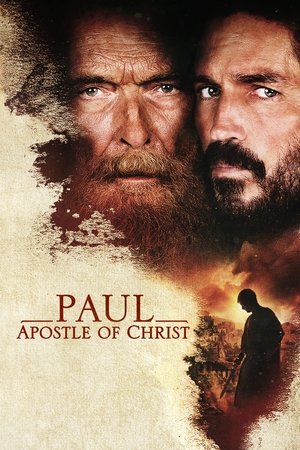
Luke risks his life to visit Paul in a Roman prison, where the apostle awaits execution under Nero. As Paul reflects on his past and the Christian community faces persecution, Luke resolves to record the story of the early church.
155 BC Two young shepherds join the last battle of their people against the Roman invader.
The story of Nathan Bedford Forrest, a brilliant and very controversial Confederate general in the War Between the States. Even now, more than 150 years after the end of the war, Forrest has remained surrounded in controversy.
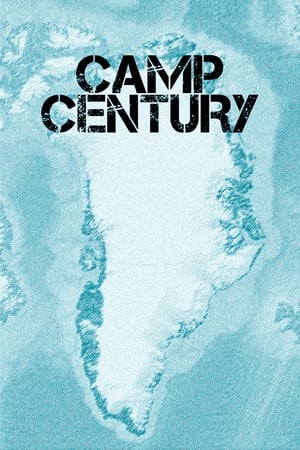
How in 1959, during the heat of the Cold War, the government of the United States decided to create a secret military base located in the far north of Greenland: Camp Century, almost a real town with roads and houses, a nuclear plant to provide power and silos to house missiles aimed at the Soviet Union.
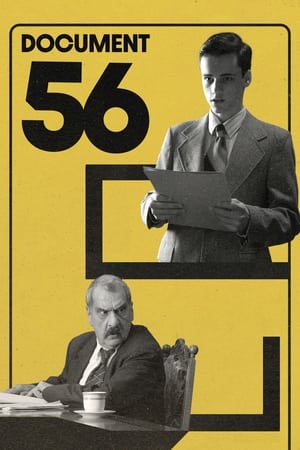
In Cold War-era Romania, two Securitate officers intercept a letter from Richard Nixon to Nicolae Ceausescu. With 48 hours to prepare for the arrival of CIA operatives, the two agents race to determine the hidden agenda of the visit.
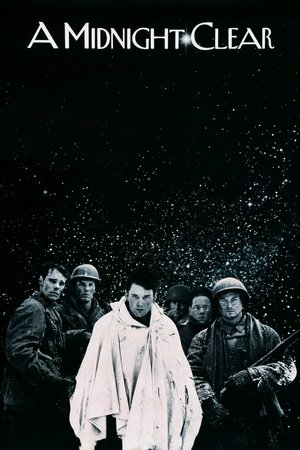
In 1944 France, an American Intelligence Squad locates a German Platoon wishing to surrender rather than die in Germany's final war offensive. The two groups of men, isolated from the war at present, put aside their differences and spend Christmas together before the surrender plan turns bad and both sides are forced to fight the other.
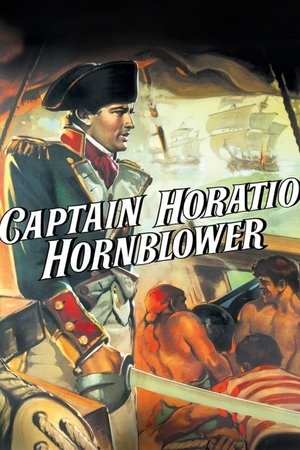
Captain Horatio Hornblower leads his ship HMS Lydia on a perilous transatlantic voyage, during which his faithful crew battle both a Spanish warship and a ragged band of Central American rebels.
Among more than 50,000 Slovenes who left their homes in Gorizia, Trieste and Istria due to the growing pressure of fascism and the economic crisis, around 60 families moved to Macedonia in 1931, to the village of Bistrenica on the Vardar River, 100km from Skopje.
Artist Enid Baxter Ryce created an experimental documentary with a musical score by Philip Glass to portray, in moving images, the history of "atmospheric rivers," or streams of water vapor in the sky. Just like rivers that move water around on the land, atmospheric rivers—never visible to the naked eye—were a vital force in shaping the colonization of the American West. Today, the evolving scientific and cultural understandings of atmospheric rivers exemplify the complexity and importance of the stories we tell ourselves about science, climate, and the natural world. This film was created at the Days and Nights Festival held at the Philip Glass Center for the Arts, Science, and the Environment.
Dancer Lola Montez is the star of Madrid's theaters. All the important men are after her, among them the English ambassador. But the leader of the "Carlist - Movement", a gang of desperados, kidnaps her, she falls for him and he proposes. But the English ambassador is trying to improve the Spanish-English relations and sent his spies after her, getting the information about her future groom, and the Spanish government is very interested in getting ahead.
(To be confirmed)
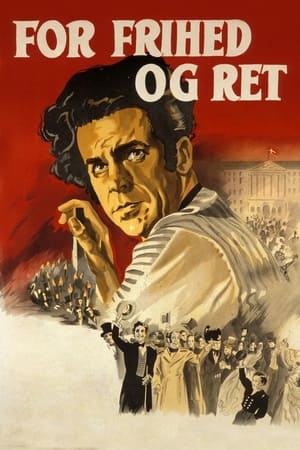
A picture of the life of the Danish people from the late 1820s to the introduction of the free constitution in 1849. A fictional character, Rasmus Nielsen, travels around the country, first as a traveling teacher, later in other positions, and through his experiences we are introduced to the conditions of various population groups. The central figure in the portrayal of historical figures is the politician Orla Lehmann.
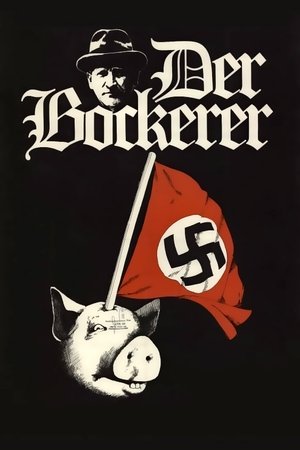
A politically naive Viennese butcher manages to survive the Nazi occupation of Austria and the second world war.
The 1978 kidnapping and murder of Aldo Moro, president of the most important political party in Italy at the time, Democrazia Cristiana, as seen from the perspective of one of his assailants -- a conflicted young woman in the ranks of the Red Brigade.
Spanish jurist and republican thinker Antonio García-Trevijano (1927-2018) expounds his political thought and reflects on the recent political history of Spain.