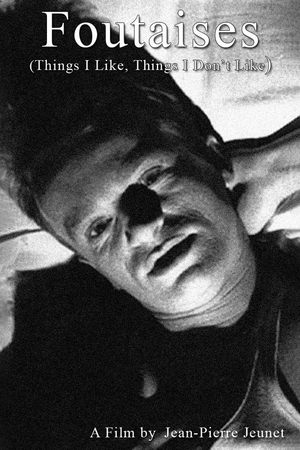
Dominique Pinon takes the viewer through various examples of what he "likes and dislikes."
Pete is a nice and clumsy salesman. But he's also a deadly super secret agent with a microprocessor implanted into his brain by some mad scientists from the government. He has to secretly stop a bunch of badguys who stole a magic stone that can change anything into seafood.
Gus, a young trainspotter, has his life turned upside-down when he meets Natalie.
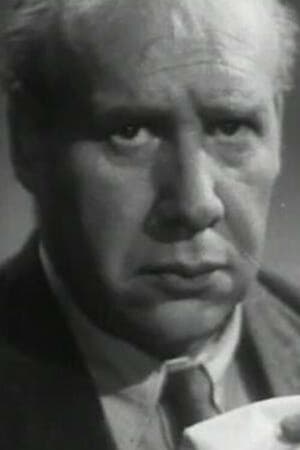
This film explains how sneezing in public can spread disease, and shows how using a handkerchief can stop it.
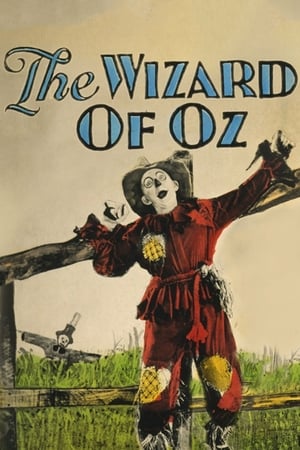
A farm girl learns she is a princess and is swept away by a tornado to the land of Oz.
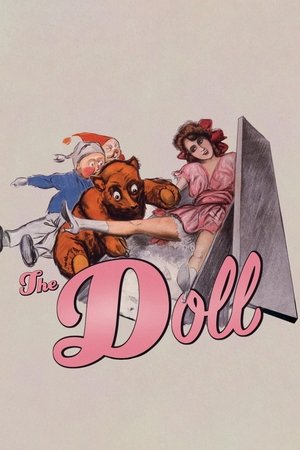
The misadventures of an effete young man who must get married in order to inherit a fortune. He opts to purchase a remarkably lifelike doll and marry it instead, not realizing that the doll is actually the dollmaker’s flesh-and-blood daughter in disguise.
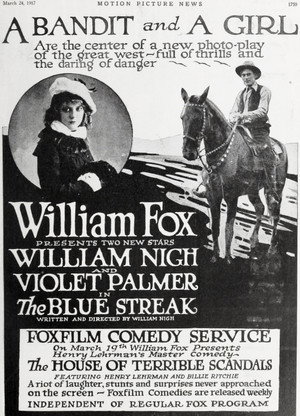
Henry Lehrman and Billie Ritchie, as the result of a gay night, are visited by a joint nightmare which shows them the horrors of their present life.
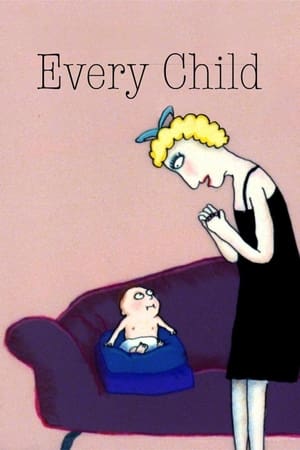
This animated short follows an unwanted baby who is passed from house to house. The film is the Canadian contribution to an hour-long feature film celebrating UNESCO's Year of the Child (1979). It illustrates one of the ten principles of the Declaration of Children's Rights: every child is entitled to a name and a nationality. The film took home an Oscar® for Best Animated Short Film.
Horse ponders his loneliness.
A unique hybrid of documentary, silent film, drama and dance, 'Breaking Plates' puts revolutionary women of the past on the screen with present day filmmakers. Contemporary women talk to characters from 100 years ago, reanimate their antics and emulate their mayhem moves. As early 21st century performers step into the clothes of their early 20th century counterparts, battling their haywire machines, exploding gags, and eruptive bodies, they learn to wield humour as a weapon against the structures that contain them today.
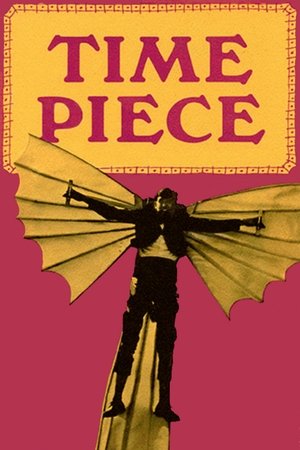
Dislocation in time, time signatures, time as a philosophical concept, and slavery to time are some of the themes touched upon in this 9-minute experimental film, which was written, directed, and produced by Jim Henson. Screened for the first time at the Museum of Modern Art in May of 1965, "Time Piece" enjoyed an eighteen-month run at one Manhattan movie theater and was nominated for an Academy Award for Outstanding Short Subject.
A parody of 1950s corporate/industrial films, commissioned by Universal Pictures executives after the studio's purchase by Seagrams, and featuring cameos by many stars and directors.
Boy meets Girl but with no dialogue or contraception.
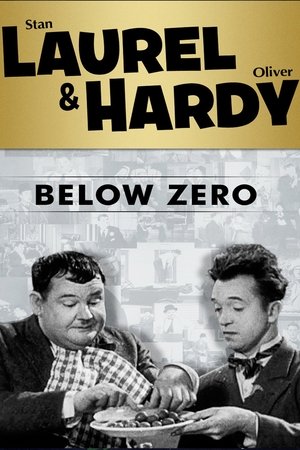
Street musicians Stan and Ollie have no success earning money in the dead of winter in a bad neighborhood. Their instruments are destroyed in an argument with a woman, but their luck seems to turn when Stan finds a wallet.
After a car accident, Ben wakes up in hospital. Not knowing where he is or what is going on, he starts exploring the corridors...only to find that the staff don't have his health in mind! The hapless patient must pull himself together and do everything he can to escape. It's an action/horror/comedy — ending with the wheelchair chase from hell!
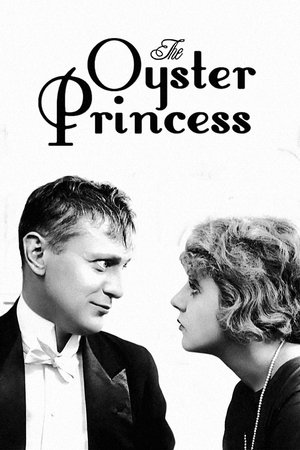
A pampered American oyster tycoon decides to buy a husband for his daughter, but things don’t go quite as planned. Along the way there are mishaps, misunderstandings and a foxtrot sequence that must be seen to be believed.
Bunny, an elderly rabbit who uses a walker, is in her kitchen one night baking a cake. A pesky and persistent moth bangs about the kitchen. Nothing is what it seems.
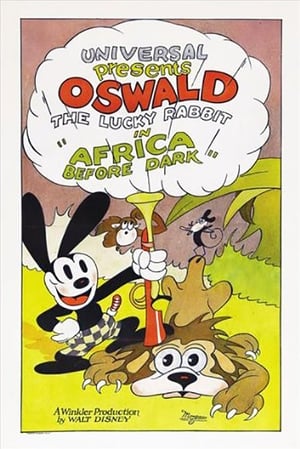
Oswald goes big game hunting in Africa.
A young man can't quite commit to having sex with his girlfriend. Then he meets a mysterious lady in a local bar. Will his girlfriend find out? Will she care?
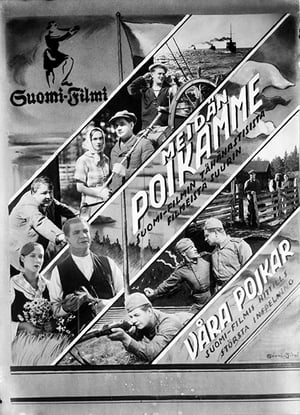
Silent military propaganda film by Erkki Karu, later followed by the musical revue film Meidän poikamme merellä ("Our Boys at Sea", 1933) and Meidän poikamme ilmassa – me maassa ("Our Boys in the Air – and We on Land", 1934), both of them also directed by Karu. The film comes with a orchestral accompaniment arranged by Raine Ampuja in 2005, based on the original score by Lauri Näre and Emil Kauppi, which in turn was based on traditional Finnish military tunes.