This film begins with the invocation of 'almighty god' at a river where several people are gathered. The child god Krishna rises out of the water astride the demon snake Kaliya. Then we see Yashoda as she rocks the sleeping Krishna's crib and imagines the god as Gopala. The next scene shows Kamsa fantasizing about Krishna threateningly duplicated many times around him. Kamsa then imagines himself dead as his severed head rises up and descends again. People of all castes pay obeisance to the deity with the title-card: 'may this humble offering be accepted by the Lord'.
A man with an umbrella emerges from his grave to be momentarily reunited with his lost loved one.
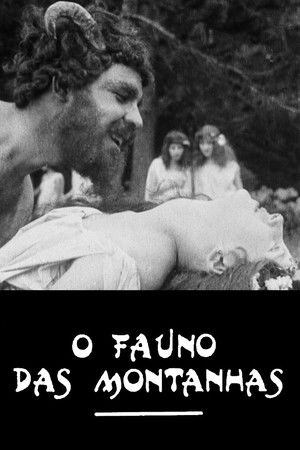
This film is the pearl of his pioneer work in Madeira Island and captures the most of his methodology: good stories taking the most of Madeira's natural scenery, and provoking the audience with some ironic and "double-sense" scenes. The film tells the story of an English girl travelling with her father, a botanic, and a guide from madeira in the deep mountains of the island. The girl has some mental disturbs and is always scaring about an attack from the native man, appearing as a half-man/half-monster.
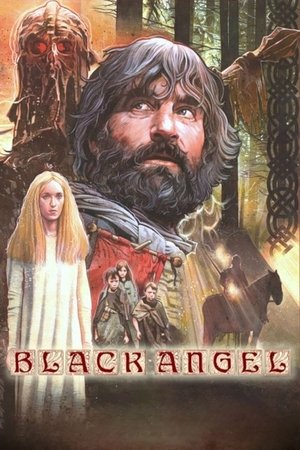
A knight returns home from the Crusades to find his village devastated by disease and his family gone. He roams the forest searching for them, until he finds a mysterious maiden who is being held prisoner by a black knight. In order to free her, he must confront her captor.
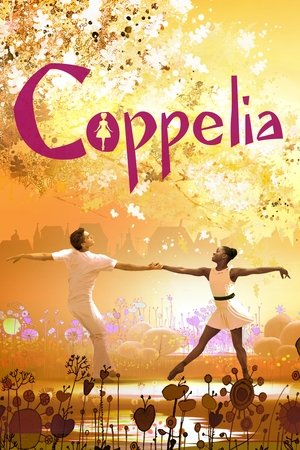
When everyone in town falls under the spell of charismatic cosmetic surgeon Doctor Coppelius, feisty Swan must act to save her sweetheart Franz, before his heart is used to spark life into Coppelia – the ‘perfect’ robot-woman the Doctor has created.
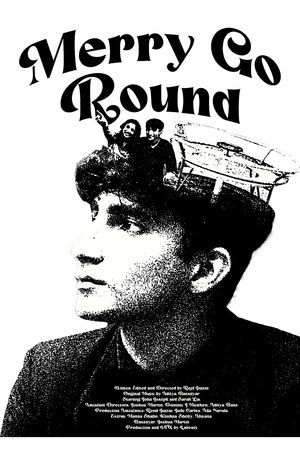
After attending a funeral, a man returns to a merry-go-round where he once cherished joyful moments with someone deeply significant in his life.
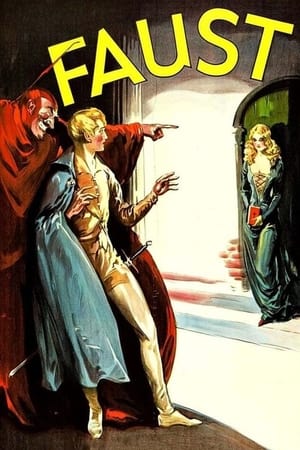
Murnau’s epic adaptation of Goethe’s tragedy stands with Fritz Lang’s Metropolis among the supreme achievements of German silent cinema. Gösta Ekman plays the alchemist who, his faith shaken in a time of plague, is offered the gift of healing and eternal youth… in exchange for his soul.
This mostly lost film is often confused with director Paul Wegener third and readily available interpretation of the legend; Der Golem, wie er in die Welt kam (1920). In this version of the golem legend, the golem, a clay statue brought to life by Rabbi Loew in 16th century Prague to save the Jews from the ongoing brutal persecution by the city's rulers, is found in the rubble of an old synagogue in the 20th century. Brought to life by an antique dealer, the golem is used as a menial servant. Eventually falling in love with the dealer's wife, it goes on a murderous rampage when its love for her goes unanswered.
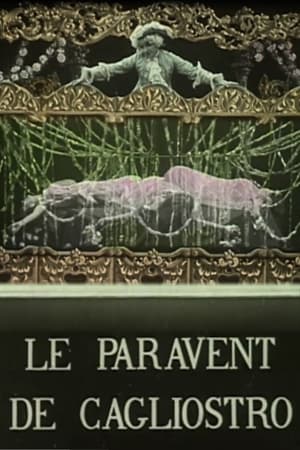
Cagliostro's Folding Screen
Explores a fleeting moment between two strangers, revealing their brief connection in a hyper real fantasy.
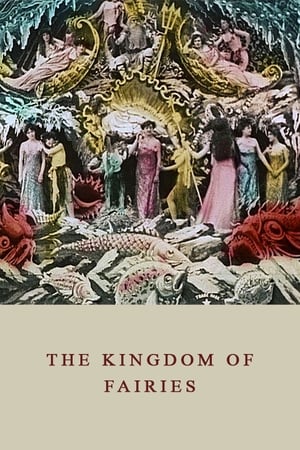
At the royal court, a prince is presenting the princess whom he is pledged to marry when a witch suddenly appears. Though driven off, the witch soon returns, summons some of her servants, and carries off the princess. A rescue party is quickly organized, but the unfortunate captive has been taken to a strange, forbidding realm, from where it will be impossible to rescue her without some special help.
A reel of the Noh drama Momiji-gari, in which Danjuro Ichikawa played opposite Onoe Kikugoro V as an ogress who has disguised herself as the Princess Sarashina. Filmed by Shibata Tsunekichi in the open air on a windy day in November 1899, Danjuro would allow only the one take, so that when his fan blew away in mid-performance the scene had to stay. The film re-emerged at the Kikikan theatre in 1907 where it was a great success and inspired a wave of fiction filmmaking based on traditional Japanese narratives.
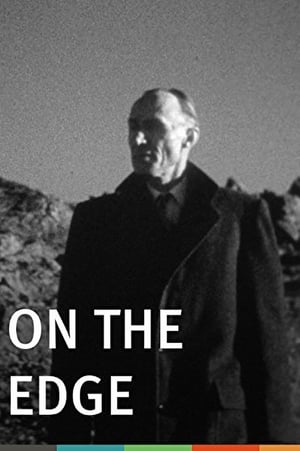
In this fragile yet frightening poetic fantasy set against a dark industrial landscape, a woman sits knitting on the porch of her home when a man appears and takes the knitting from her.
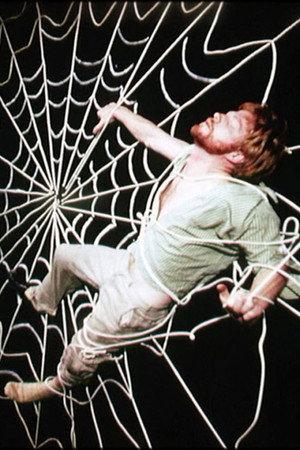
A young man's struggle with his sexuality overtakes his life, driving him deep into his subconscious where guilt and fears of physicality chase him still further. Cornered by an intangible terror, he realises he must either break out or break down.
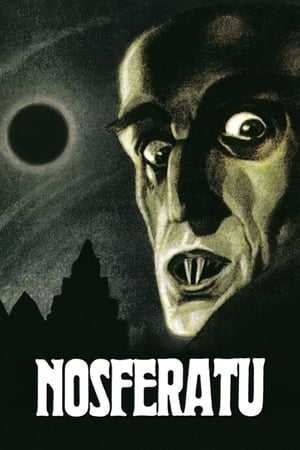
The mysterious Count Orlok summons a happily married real estate agent to his castle, located up in the Transylvanian mountains, to finalise a terrifying deal.
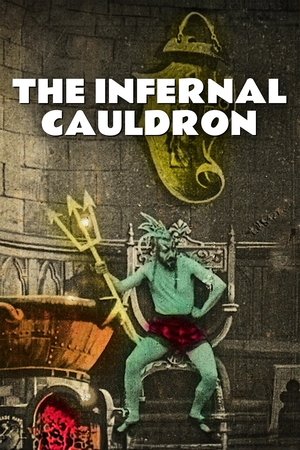
A green-skinned demon places a woman and two courtiers into a flaming cauldron.
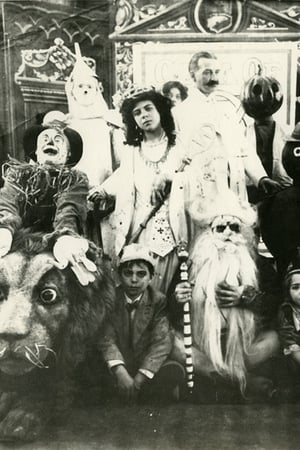
L. Frank Baum would appear in a white suit and present his live actors, slide shows and films as a live travelogue presentation of his popular fantasies. Highlights include Dorothy being swept to Oz in various ways, such as with back-projection tornadoes and storms in a chicken coop. Lack of financial backing forced the show to fold after appearing in only two cities, despite being a critical and commercial success. This film is lost.
Untitled Silent Horror Fantasy Short
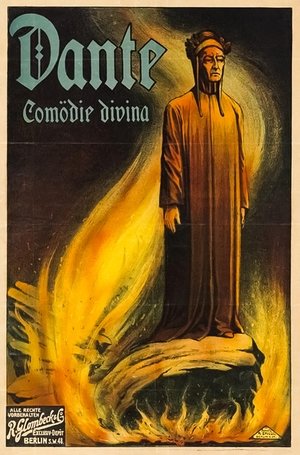
A two-reel adaptation of Dante Alighieri's Inferno from the Divine Comedy by Helios Film. It is less well-known than the five-reel feature produced the same year by Milano Films, but it was released earlier in 1911.
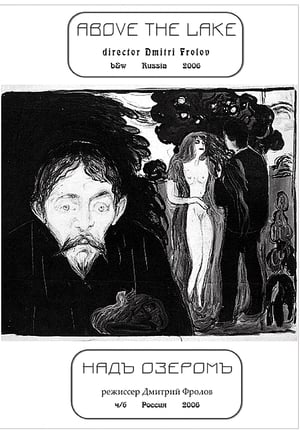
Avant-garde homage to pre-revolution Russian silent movies, and to the poet Aleksandr Blok.