In 1899, Kansas farmer Wade Harkin and his wife Ruth pull up stakes and head for the Alaskan gold fields to make their fortune. When they reach Seattle, Washington, Wade tells Ruth to meet him aboard their ship going north, but when she arrives, she is unable to find him because he is involved in a private poker game.
A couple of boy gangs in Budapest constantly fight over the neighborhood turf.
Focuses on the suspenseful, intertwined stories of the Chancery court injustices and the scandalous secrets surrounding Lady Dedlock's past. Part of serial Tense Moments from Great Plays.
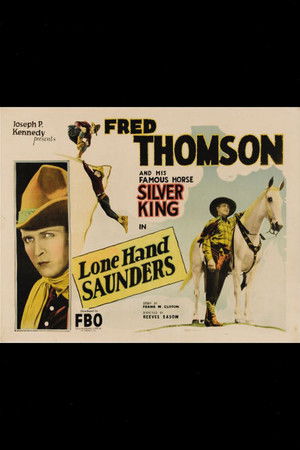
Buck and Charlie, two hard-boiled cowboys, arrive at the Bar Nothing Ranch in Arizona and determine to take advantage of the peculiarity of the owner, Fred Saunders, known as "Lone Hand" because he never uses his right hand.
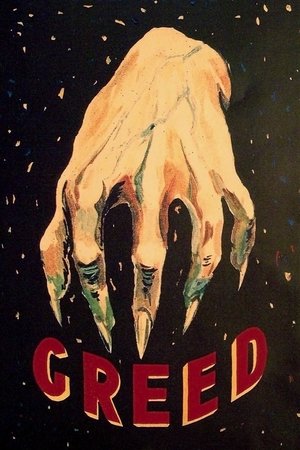
When housewife Trina wins the lottery, her comfortable life with her dentist husband John slowly deteriorates, in part by her own increasing paranoia and partly by the machinations of villainous acquaintance Marcus.
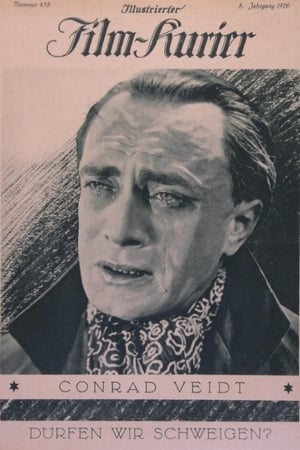
A melodrama about a painter who is infected with syphilis, refuses treatment, turns to the use instead of narcotics, and withers away.
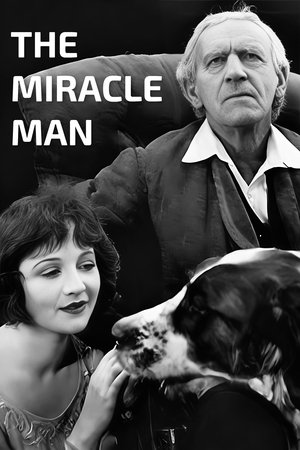
A gang of crooks evade the police by moving their operations to a small town. There the gang's leader encounters a faith healer and uses him to scam gullible public of funds for a supposed chapel. But when a real healing takes place, a change comes over the gang. Lost film, only the most famous scene has survived.
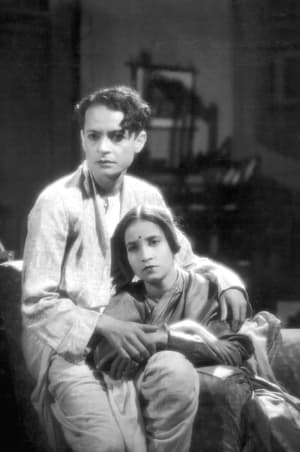
Devdas, the son of a zamindar, and Parvati, his neighbour's daughter, are childhood sweethearts. However, class and caste differences prevent their marriage. Devdas is sent off to Calcutta, while Paro is married off to an aged rich widower. In Calcutta, as remorse drives him to alcohol, Devdas meets Chandramukhi, a prostitute. All Indian prints of this Bengali version were destroyed in a fire that ravaged New Theatre’s studios. Today, only one copy of the film survives which belongs to the Bangladesh Film Archives. Of that copy almost forty percent is destroyed.
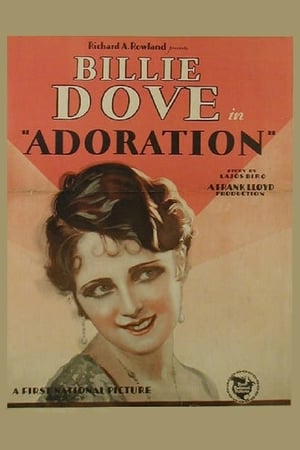
Billie Dove, as Elena, pulls out all stops as a Russian princess and a woman-of-the-streets in Paris in an exotic romance and hand-wringing drama set in two countries and the way-stations in between.
When his ne'er-do-well brother embezzles the commissary funds of their cavalry unit stationed in the Sudan, a British soldier takes the blame for him. He winds up deserting his post and joining up with a traveling vaudeville troupe. He falls in love with a pretty young woman in one of the show's acts but finds that a local Arab sheik has his own plans for the young girl.
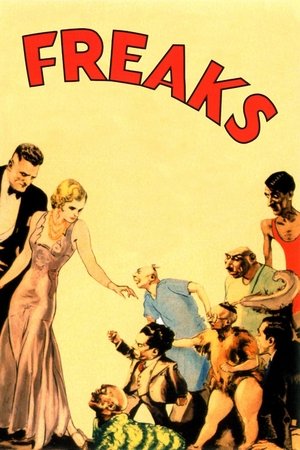
A circus' beautiful trapeze artist agrees to marry the leader of side-show performers, but his deformed friends discover she is only marrying him for his inheritance.
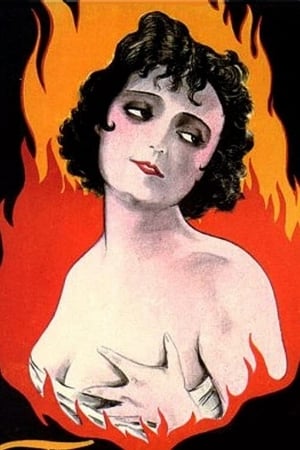
In 19th century Paris a hedonistic woman marries an aristocrat but has trouble keeping faithful to him.
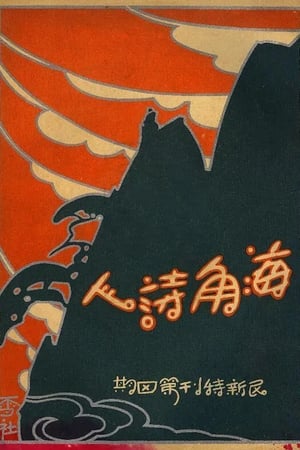
Hou Yao wrote, directed and starred in A Poet from the Sea (1927). It was shot in Stanley, Hong Kong. The surviving copy was only 23-minute long, but Hou Yao's romantic side was obvious through the scenic location and beautiful set-up. The love story between Poet (Hou Yao) and his lover (Lee Dan-dan) was pure and lyrical, a gem from China Sun Motion Picture Company (Shanghai) in the 1920s.
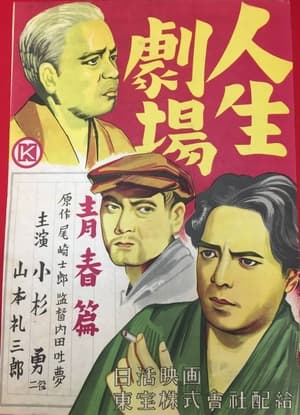
During the 20s in Japan, a romantic student at Tokyo's Waseda University is filled with noble sentiments absorbed from literature but his naive illusions will be shattered by the ruthless realities of money and power.
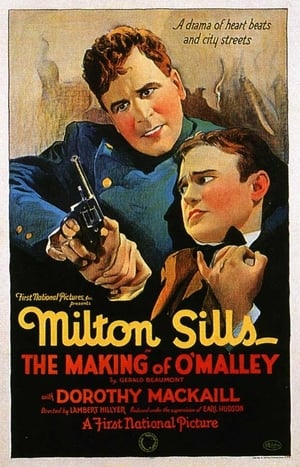
A policeman falls for a teacher, and befriends her students. A gang of bootleggers threatens his newfound joys.
A grease monkey discovers a defect in an auto engine being turned out by his employer. But since our hero discovers this only after losing an important race, his boss chalks up the loss to Fairbanks' supposed cowardice.
Famous Russian screen actors play themselves in this drama about the lives of actors. Thirteen minutes of the film survive.
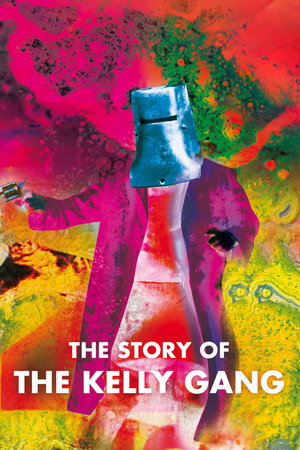
Just as Galeen and Wegener's Der Golem (1915) can be seen as a testament to early German film artistry, The Story of the Kelly Gang (1906) symbolizes both the birth of the Australian film industry and the emergence of an Australian cinema identity. Even more significantly, it heralds the emergence of the feature film format. However, only fragments of the original production of more than one hour are known to exist, preserved at the National Film and Sound Archive, Canberra; Efforts at reconstruction have made the film available to modern audiences.
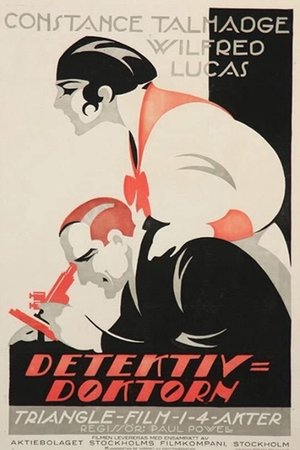
When a wealthy hypochondriac is dissatisfied by the care of the town doctor (Doc Arnold), he consults with a new physician in town who swindles him out of a large sum of money. When his daughter tries to retrieve the check, the quack (Dr. Bell) turns up dead with a gun shot wound to the chest. Doc Arnold lends his expertise to the investigation and solves the case by finding microscopic evidence on the murder weapon left at the scene.
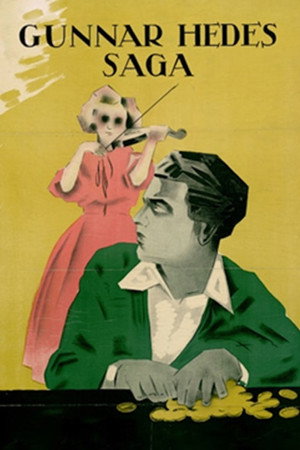
Gunnar Hede, a young Swedish man, wants to become a professional musician, but when his father suddenly dies he is pressured by his family to take over the family business of raising and selling reindeer.