The time is the late '80s, a crucial period in the history of South Africa. President P.W. Botha is hanging on to power by a thread as the African National Congress (ANC) takes up arms against apartheid and the country tumbles toward insurrection. A British mining concern is convinced that their interests would be better served in a stable South Africa and they quietly dispatch Michael Young, their head of public affairs, to open an unofficial dialogue between the bitter rivals. Assembling a reluctant yet brilliant team to pave the way to reconciliation by confronting obstacles that initially seem insurmountable, Young places his trust in ANC leader Thabo Mbeki and Afrikaner philosophy professor Willie Esterhuyse. It is their empathy that will ultimately serve as the catalyst for change by proving more powerful than the terrorist bombs that threaten to disrupt the peaceful dialogue.
Two brothers are torn apart after they steal a bag of money and are hunted down by a ruthless killer.
Newly elected President Nelson Mandela knows his nation remains racially and economically divided in the wake of apartheid. Believing he can bring his people together through the universal language of sport, Mandela rallies South Africa's rugby union team as they make their historic run to the 1995 Rugby World Cup Championship match.
The Burning is Stephen Frears’ first film, a chilling exploration of racial tensions in Apartheid-era South Africa. On a sweltering summer’ day, a wealthy white matriarch insists on taking her household on a planned trip to the country, in spite of their urgent warnings that an uprising is underway.
What would your family reminiscences about dad sound like if he had been an early supporter of Hitler’s, a leader of the notorious SA and the Third Reich’s minister in charge of Slovakia, including its Final Solution? Executed as a war criminal in 1947, Hanns Ludin left behind a grieving widow and six young children, the youngest of whom became a filmmaker. It's a fascinating, maddening, sometimes even humorous look at what the director calls "a typical German story." (Film Forum)
On an isolated farm in Apartheid South Africa two lovers find themselves at risk of losing everything to a big city lawyer; they will stop at nothing to prevent him from exposing a dark family secret.
A young, emigrated, South African man comes back to South Africa to sell his mothers farm.
Inspector Rizzo in Napoli gets a message from a policeman from South Africa who wants to meet him. Immediately before this meeting the South African policeman is killed. Dying he shows Rizzo a picture of his young son Bodo. Rizzo travels to Johannesburg to find out what the policeman was working on and to find Bodo.
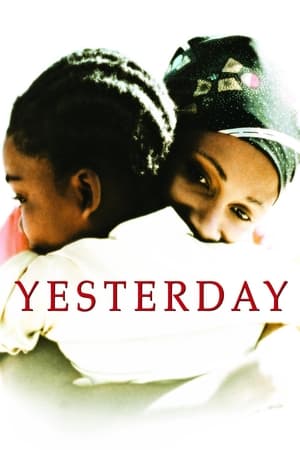
After falling ill, Yesterday learns that she is HIV positive. With her husband in denial and young daughter to tend to, Yesterday's one goal is to live long enough to see her child go to school.
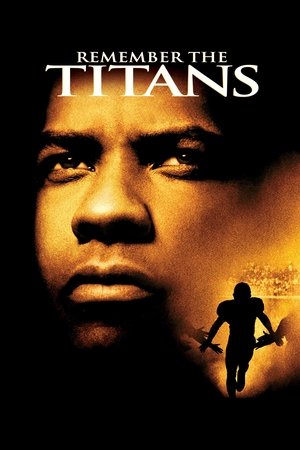
After leading his football team to 15 winning seasons, coach Bill Yoast is demoted and replaced by Herman Boone – tough, opinionated and as different from the beloved Yoast as he could be. The two men learn to overcome their differences and turn a group of hostile young men into champions.
Nombeko Mayeki is a young woman from Soweto who finds herself caught in an international whirlwind from South Africa to Sweden. A heroine born in the slums of South Africa, she rises from obscurity to become the key player in an international nuclear conspiracy, accidentally saving the Swedish monarchy and averting global catastrophe with her quick-witted resourcefulness.
A rural teacher discovers the harsh realities of his South Africa.
In Great Britain a reversal of African apartheid comes into place, and the country is governed by black people with whites as the subservients.
An idealistic British drama school teacher, Jodi Rutherford, persuades a cynical South African farmer to prepare her for a role in a major film as an Afrikaans war heroine. In return Jodi undertakes to direct the annual concert on the Willemse farm. Jodi's interaction with the quirky small town citizens and the stubborn Kobus, teaches her that: "there is more to life than lights... camera... and action!"
A 17 year-old student is forced to get off the fence he has actively sat on all his life to stand up for himself, his whanau (family) and his future in this heartwarming story of identity.
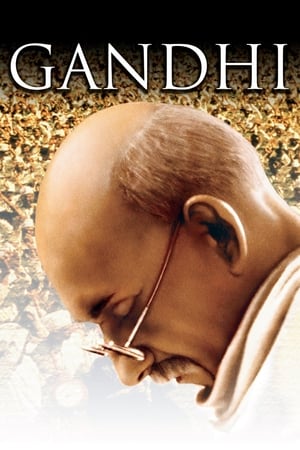
In the early years of the 20th century, Mohandas K. Gandhi, a British-trained lawyer, forsakes all worldly possessions to take up the cause of Indian independence. Faced with armed resistance from the British government, Gandhi adopts a policy of 'passive resistance', endeavouring to win freedom for his people without resorting to bloodshed.
A South African librarian prepares for the return of the remains of his brother who died in exile.
The true story of anti-apartheid activists in South Africa, and particularly the life of Patrick Chamusso, a timid foreman at Secunda CTL, the largest synthetic fuel plant in the world. Patrick is wrongly accused, imprisoned and tortured for an attempt to bomb the plant, with the injustice transforming the apolitical worker into a radicalised insurgent, who then carries out his own successful sabotage mission.
In 1879, during the Anglo-Zulu War, man-of-the-people Lt. Chard and snooty Lt. Bromhead are in charge of defending the isolated and vastly outnumbered Natal outpost of Rorke's Drift from tribal hordes.
PK, an English orphan terrorized for his family's political beliefs in Africa, turns to his only friend, a kindly world-wise prisoner, Geel Piet. Geel teaches him how to box with the motto “fight with your fists and lead with your heart”. As he grows to manhood, PK uses these words to take on the system and the injustices he sees around him - and finds that one person really can make a difference.