This film made by a Palestinian-Israeli collective shows the destruction of the occupied West Bank's Masafer Yatta by Israeli soldiers and the alliance which develops between the Palestinian activist Basel and Israeli journalist Yuval.
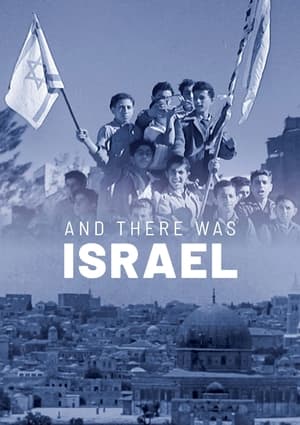
The film returns to the origins of the creation of the State of Israel (from 1896 to 1948) and highlights the responsibility of the Western World.
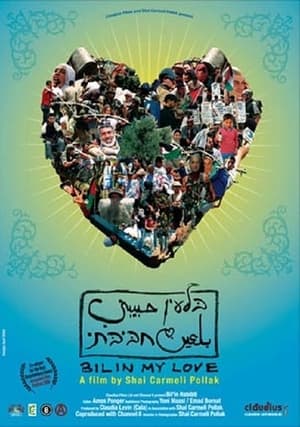
The Israeli filmmaker Shai Corneli Polak records the building of the 'security wall' through Palestinian territory at the village of Bil'in. The villagers protest mostly peacefully, while the Israeli army doesn't react peacefully. By now the Israeli High Court has ruled that the building of the wall was illegal.
A video project meant to highlight the human cost in Palestine.
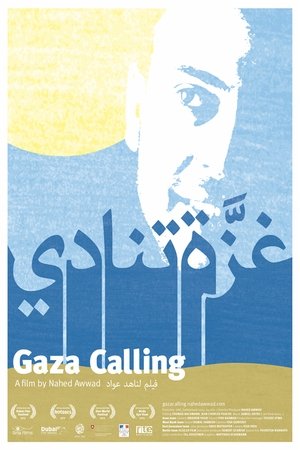
Samer lives in Ramallah in the West Bank. His family lives in Gaza, one hour away. They have not seen each other for six years. When Mustafa went for a visit to Gaza in 2006, he was 18 years old. He was never allowed to return – his mother Hekmat has been fighting to see him again for seven years now. Two families torn apart. They share the same “crime”: being registered with a Gaza address in their Identity Cards. Under Israeli rule, they are considered “infiltrators” in their own country. Their lives have turned into a permanent struggle. Parents can only talk to their sons on the phone; sisters can only see their brothers on the internet – mothers and their children fighting to be together at last…
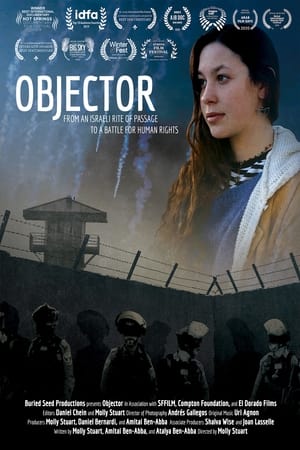
Like all Israeli youth, Atalya is obligated to become a soldier. Unlike most, she questions the practices of her country's military, and becomes determined to challenge this rite of passage. Despite her family's political disagreements and personal concerns, she refuses military duty and is imprisoned for her dissent. Her courage moves those around her to reconsider their own moral positions and personal power. OBJECTOR follows Atalya to prison and beyond, offering a unique window into the Israeli-Palestinian conflict from the perspective of a young woman who seeks truth and takes a stand for justice.
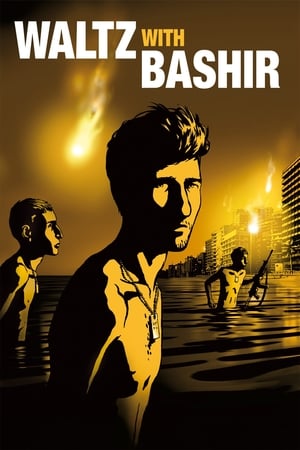
A film director from Israel interviews fellow veterans of the 1982 invasion of Lebanon to reconstruct his own memories of his term of service in that conflict.
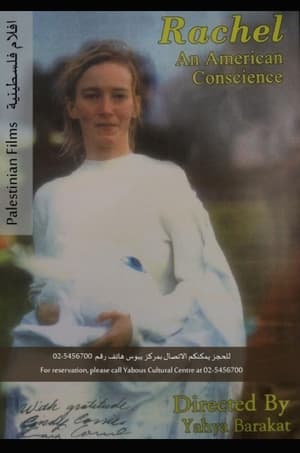
A documentary about the killing of American activist Rachel Corrie by an Israeli military bulldozer while she was protecting Palestinian homes from demolition in the Gaza Strip in 2003.
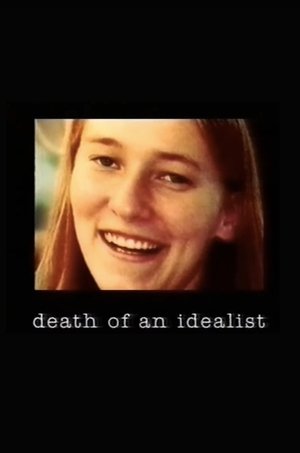
Rachel Corrie was aged 23 when she was killed by an Israeli Army bulldozer.
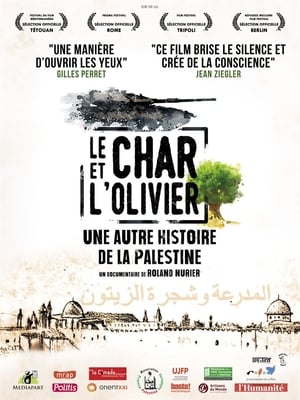
The Tank and The Olive Tree recalls a certain number of forgotten fundamentals and sheds new light on the history of Palestine. By combining geopolitical analysis, interviews with international personalities who are experts on the subject and testimonies from Palestinian and French citizens, this documentary offers the keys to understanding what the media call the Israeli-Palestinian conflict. Enough to rid people's minds of clichés and prejudices! If The Chariot and the Olivier is intended to be educational, it speaks above all of a magnificent territory, and of a people who constantly affirm that “to live is already to resist”...
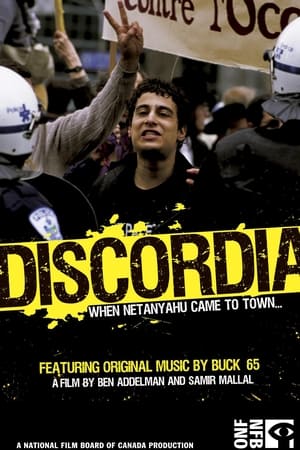
In the fall of 2002, it was announced that Benjamin Netanyahu would deliver a speech at Concordia University in Montreal, and reaction from the student body was swift and sudden.
Five women – Palestinian, American, Muslim, Christian, and Jewish – tell stories of humiliation and harassment by Israeli border guards and airport security officials.
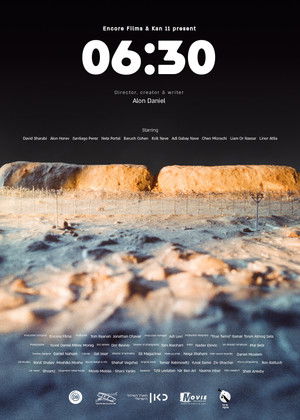
A documentary film that brings testimonies taken just one week after the attack, from 7 different areas that were attacked in the events of Saturday, 10/7/23. The film is told from the point of view of the survivors. The evidence is unusually presented in the movie with the help of miniature models and animations that reinforce the hard evidence. The survivors share the survival experience they experienced during the long hours of the murderous terrorist attack. Those who ran away from the party, the houses they hid in, those who fought against the terrorists, and those who saved lives in the field. All with the choices they had to make in real-time, and saved their lives.
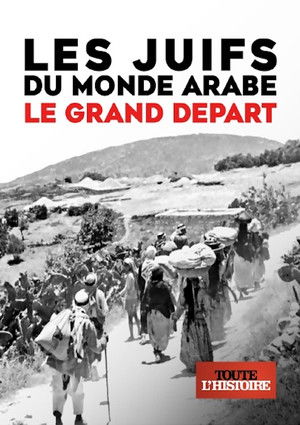
Les Juifs du monde arabe, le grand départ
In Killing Gaza, independent journalists Max Blumenthal and Dan Cohen documented Israel’s 2014 war on Gaza. Yet this film is much more than a documentary about Palestinian resilience and suffering. It is a chilling visual document of war crimes committed by the Israeli military, featuring direct testimony and evidence from the survivors.
Images of the training camps of Al-Assifa, the military wing of the Fatah movement in Jordan. The Israeli army organized raids against the city of As-Salt, located northwest of Amman, on August 4, 1968. Members of the Palestinian brigade, interviewed in English and German, talk about their guerrilla actions, which sometimes involved soldiers of the Jordanian army.
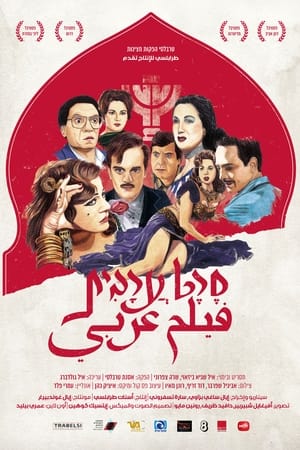
So many Israelis still wax nostalgic about that old Friday afternoon ritual, back in the times when television had just one channel. Everyone would watch the Arab movie of the week, but did anybody ever wonder how Israel’s official TV station was able to transcend hostile boundaries to obtain these films, and why it insisted on showing movies made by “the enemy”? The Arabic-language movie from Egypt let some of us escape back to our original homeland, and let others peek out from our “villa in the jungle” and catch a glimpse of our neighbors across the border. But most of us didn’t really want to see the people whose culture, anguish, and aspirations were reflected on our screens. “Arab Movie” brings us the stars and the songs, the convoluted plots, and that fleeting moment when we shared the same cultural heroes as everyone else in the Middle East. But this film about the richness and intensity of Egyptian cinema also raises some disturbing questions.
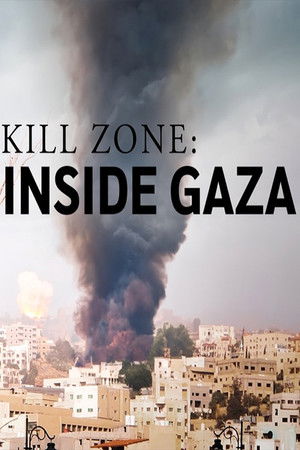
The story of the Israeli military assault on Gaza. Seen through the eyes of children, journalists and doctors, Dispatches takes an unflinching look at the horrific challenges and heartbreaking loss. Made by 12 Palestinian film-makers who risked their lives to depict the ongoing assault, this documentary confronts us with the loss and suffering of people whose gaze we have met.
In an intricate web of alliances and enmities, can one's adversary's adversary truly become an ally? And yet, what if that adversary happens to be the most notorious anti-Semitic criminal in history?
Pour l'honneur de Gaza, des déplacés sous les tentes