The cod fishery off the east coast of Newfoundland was a way of life, the backbone of society -- until it collapsed. A review of the history leading up to the crisis and the subsequent call for a moratorium of the northwest Atlantic cod fishery.
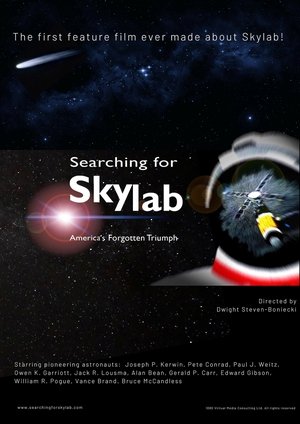
The first American space station Skylab is found in pieces scattered in Western Australia. Putting these pieces back together and re-tracing the Skylab program back to its very conception reveals the cornerstone of human space exploration.
Through encounters with a hydrologist, a farmer, and citizens mobilized around the Marais Poitevin, the director helps us understand the effects—on biodiversity and the state of rivers—of substitution reservoirs, also known as megabassins. For several years, Anne-Morwenn, David, Patrick, Yann, and others have been fighting for fair water sharing and devising ways to convince as many people as possible that it is time to change the agricultural model.
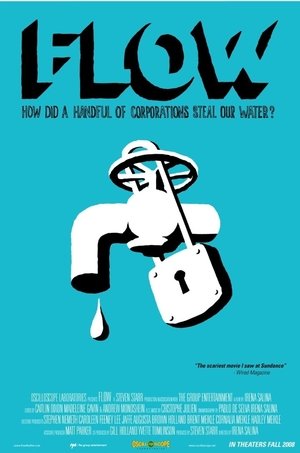
From both local and global perspectives, this documentary examines the harsh realities behind the mounting water crisis. Learn how politics, pollution and human rights are intertwined in this important issue that affects every being on Earth. With water drying up around the world and the future of human lives at stake, the film urges a call to arms before more of our most precious natural resource evaporates.
Developments in the Canadian forestry industry during the 1970s are shown being carried out both as lab experiments and in the field to protect and conserve the country's vast forests. These include turning a Newfoundland bog into woodland, fostering British Columbia seedlings that withstand mechanical planting, inoculating Ontario elms against the bark beetle, devising ways of controlling fire, and more.
Ruiz’s short about Pieter Wiersma, a Dutch sculptor who makes intricate sandcastles.
In an oil-scarce world, we know there are sacrifices to be made in the pursuit of energy. What no one expected was that a tiny Native community, living down the river from Canada's tar sands, would reach out to the world for help — and be heard.
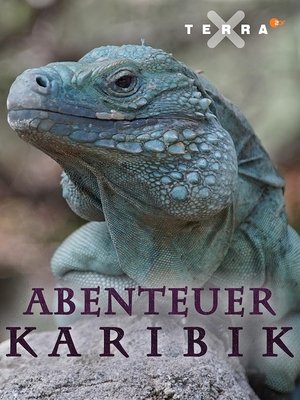
Abenteuer Karibik
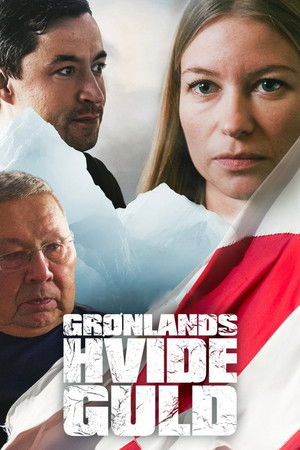
A documentary that challenges the notion of Greenland being the eternal cost for Denmark.
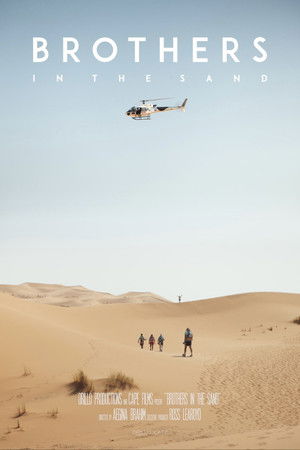
Five siblings attempt to become the first family in history to complete the Marathon Des Sables. But the world's toughest foot race pushes them to confront much more than the landscape of the Sahara Desert, as they discover what their brotherhood means to them. Exploring depression, sibling rivalry, and - when one brother comes to the brink of failure - their bond as siblings.
How can we best meet every earth citizens need for healthy food facing our limited resources? Regarding the almost 10 billion humans living on earth by 2050, we have to decide now how we want to shape the future of agriculture.
The village of Tamaquito lies deep in the forests of Colombia. Here, nature provides the people with everything they need. But the Wayúu community's way of life is being destroyed by the vast and rapidly growing El Cerrejón coal mine. Determined to save his community from forced resettlement, the leader Jairo Fuentes negotiates with the mine's operators, which soon becomes a fight to survive.
Minnesota: A History of the Land vividly brings to life the epic story of the people and landscapes of Minnesota. From the retreat of the last ice sheets to the growth of today’s suburbs – the series seeks to entertain as it enriches our understanding of Minnesota’s past, present, and future. A visually stunning and groundbreaking 4-part documentary series featuring nature videography from across the state, never before seen historic images, state-of-the-art animations and historic recreations. Original soundtrack by award-winning composer, Peter Ostroushko.
Newly into addiction recovery, an urgent threat emerges to spur filmmaker, Mark Titus back to the Alaskan wilderness - where the people of Bristol Bay and the world's last intact wild salmon runs face devastation if a massive copper mine is constructed.
In this tense and immersive tour de force, audiences are taken directly into the line of fire between powerful, opposing Peruvian leaders who will stop at nothing to keep their respective goals intact. On the one side is President Alan Garcia, who, eager to enter the world stage, begins aggressively extracting oil, minerals, and gas from untouched indigenous Amazonian land. He is quickly met with fierce opposition from indigenous leader Alberto Pizango, whose impassioned speeches against Garcia’s destructive actions prove a powerful rallying cry to throngs of his supporters. When Garcia continues to ignore their pleas, a tense war of words erupts into deadly violence.
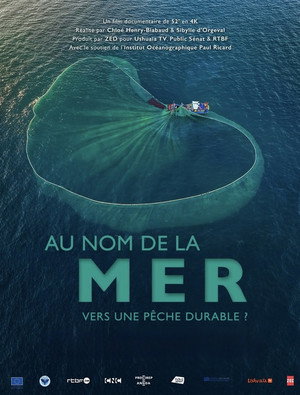
Au nom de la mer : vers une pêche durable ?
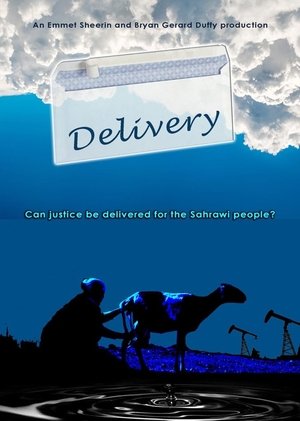
Taleb, who came to a refugee camp at the age of five in 1975 and returned there after his studies abroad, tells of his life as a displaced person, his gratitude for the reception and support in Algeria, and his hope that the Sahrawis may one day return to their homeland. For Taleb, this hope drives him to actively prepare for better times: as a graduate in agricultural sciences, he conceived a successful small-scale closed-loop economy in a desert under the most difficult conditions, producing enough food for self-sufficiency.
Faced with climate change, many countries have embarked on the energy transition. Since the COP21 in 2015, which set demanding targets for reducing greenhouse gases, green energies have been on the rise. The electric car has thus become the mascot of this revolution. But manufacturers remain discreet about the carbon footprint of their cars marked "zero emission". Because not only do they consume electricity that is not always clean, but they also consume rare metals such as cobalt or lithium, the extraction of which causes havoc on the other side of the world. In China, for example, champion of rare metals, in Heilongjiang province, a carpet of toxic dust covers agricultural regions.
Since the Taliban returned to power in August 2021, Afghanistan has drawn growing international attention for its enormous reserves of rare earths and strategic minerals essential to the global energy transition. The country is believed to hold more than €1 trillion in resources, including copper, lithium, cobalt, iron, uranium, chromite, mercury, and rare earth elements, as well as valuable gemstones and gold. Often described as the “Saudi Arabia of minerals,” Afghanistan has become the focus of a geopolitical race for supplies. While Europe and the United States remain hesitant to engage with a regime accused of serious human rights abuses, countries such as China, Russia, Turkey, Qatar, Pakistan, and India are already positioning themselves in Kabul to secure access to these critical resources.
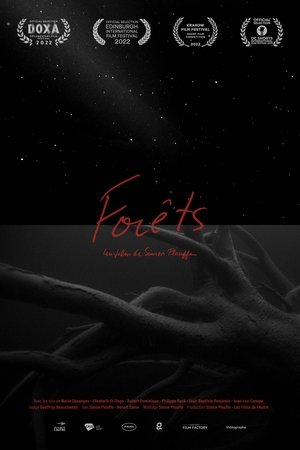
In a dark, ambiguous environment, minuscule particles drift slowly before the lens. The image focuses to reveal spruce trees and tall pines, while Innu voices tell us the story of this territory, this flooded forest. Muffled percussive sounds gradually become louder, suggesting the presence of a hydroelectric dam. The submerged trees gradually transform into firebrands as whispers bring back the stories of this forest.