In a poetic hour and a half, director Mani Kaul looks at the ancient art of making pottery from a wide variety of perspectives.
Dalits, in the Indian caste system, belong to the lowest social sphere and are therefore subject to regular discrimination and violation of their basic human rights. Also referred as “untouchables,” this group was vindicated by B. R. Ambedkar, a Dalit who earned doctorate degrees abroad and fought for the emancipation of his people. In 1997 a statue honoring him was desecrated, unleashing the rage of the Dalit community, but instead of getting support by the authorities, ten persons were murdered. This documentary took 14 years to be made and it captures the music and poetry of this people, showing a tradition against superstition and religious bigotry that has strived since the times of Buddha.
This portrayal of the rhythm of life and work in a gigantic textile factory in Gujarat, India, moves through the corridors and bowels of the enormously disorienting structure—taking the viewer on a journey of dehumanizing physical labor and intense hardship.
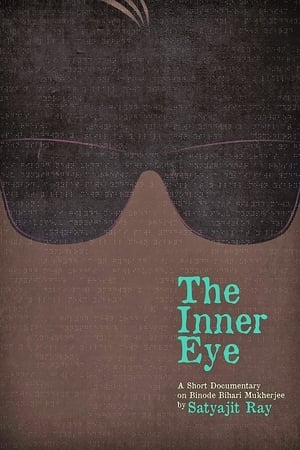
At the age of 54, Binode Bihari Mukherjee, an accomplished painter, lost his sight following an unsuccessful cataract operation. He continued to create art despite his loss of sight. The documentary explores Binode Bihari’s inner eye that guides his fingers to create art.
An ascetic walks through the narrow streets of a village every morning while his family is still asleep. In his semi-somnolent state he dreams about the history of the village mixing up myths, folklore and facts.
The film explores the campaign waged by the Hindu right-wing organisation Vishva Hindu Parishad to build a Ram temple at the site of the Babri Masjid in Ayodhya, as well as the communal violence that it triggered. A couple of months after Ram ke Naam was released, VHP activists demolished the Babri Masjid in 1992, provoking further violence.
The river Yamuna, known to the locals as 'Jamna', the lifeline of Delhi, is going through a major crisis due to pollution, mismanagement and sheer ignorance. A documentary crew tries to make sense of the situation by talking to different stakeholders and Shyam - a boatman who relies on the river for his livelihood.
Three women share their experience of navigating the app-world in the metro city. The sharings reveal gendered battles as platform workers and the tiresome reality of gig-workers' identities against the absent bosses, masked behind their apps. Filmed in the streets of New Delhi, the protagonists share about their door-to-door gigs, the surveillance at their workplaces and the absence of accountability in the urban landscape.
Offers an exclusive behind-the-scenes look at the making of the critically acclaimed film 12th Fail. Featuring Vikrant Massey and visionary director Vidhu Vinod Chopra, the documentary reveals the untold challenges, meticulous efforts, and sheer determination that shaped the movie's success. From Massey's commitment to authenticity-aging his costumes himself-to Chopra's relentless pursuit of excellence, Zero Se Restart captures the resilience and teamwork essential to creating cinematic magic.
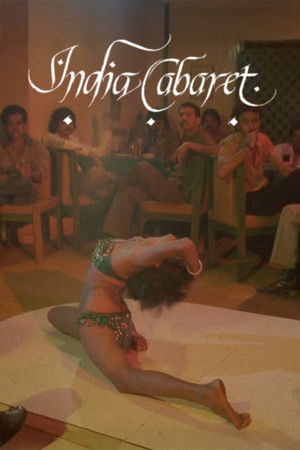
An exploration of the 'respectable' and 'immoral' stereotypes of women in Indian society told from the point of view of two striptease dancers in a Bombay cabaret.
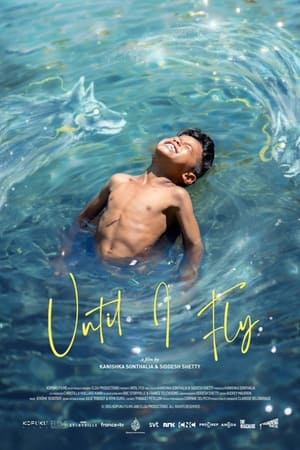
A charismatic Indian-Nepali boy, lives a bohemian life in a remote Himalayan village. As he transitions from childhood to teenagehood, his poetic journey of perseverance echoes issues that span across ages and communities.
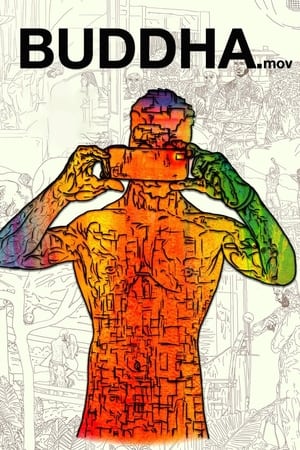
Lured by the chance of being the protagonist of a documentary film, Buddha Dev, a 27 year old flamboyant cricketer from Goa, starts authorising unrestricted access into the most private parts of his life.
Clips and interviews show that the renowned Satyajit Ray was more than just a filmmaker: He was a sketch illustrator, a music composer, a children's book creator, an all around intellectual.
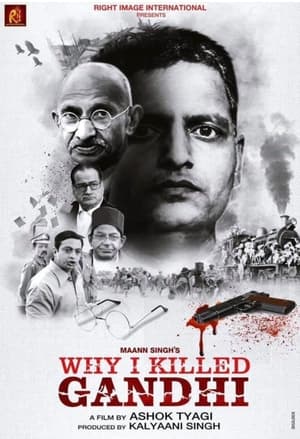
Indian freedom fighter Gandhiji was killed by Nathuram Godse. But what made Nathuram Godse to take this extreme step?
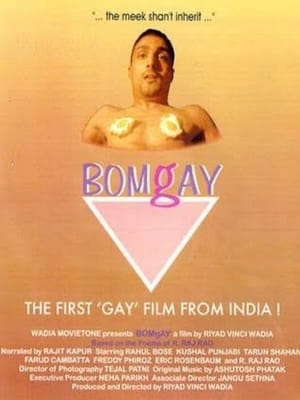
Based on the poetry of R. Raj Rao, Bomgay is a collection of six vignettes that depict the underground and complex nature of the gay identity in urban India. Part Genet, part Bollywood, this film combines acidic verse and insightful imagery to reveal the emerging gay community in the post-liberalized India of the 1990s.
A turbulent newsroom drama that intimately chronicles the working days of broadcast journalist Ravish Kumar as he navigates a spiraling world of truth and disinformation.
Takes the audience behind the artistry, intellectual spirits, and production of the second season of the holy grail of Indian sitcom.
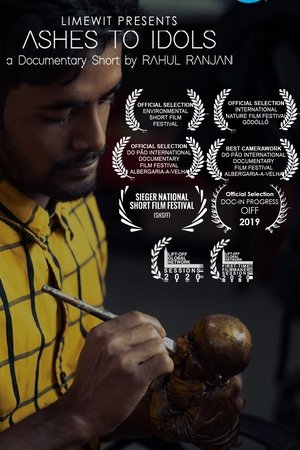
The journey from ashes to idols through the eyes of a teenager who has created many jobs in the process The documentary shows how a teenager decided to get rid of temple's waste by making idols from them and how few jail inmates became his helper in the process.
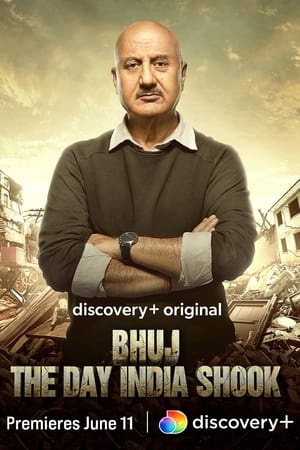
The documentary talks about of the devastating earthquake of 2001 and captures first-person accounts of survivors, rescuers, journalists, photographers, and earth scientists.
A young woman, Srishti Bakshi embarks on a monumental journey, walking almost 4000km over 240 days, from Kanyakumari in the south, to Kashmir, in the North, along the way meeting and learning first hand about the experiences of many women from all corners of India. WOMB is a poignant and heart warming documentary exploring the social and political issues faced by women of today’s India. It is a unique testament to seemingly insurmountable challenges in these unprecedented times and the everyday sheroes who are battling to overcome.