The film Desert View is dedicated to the study of building and living in the semi - built satellite city Madinaty, located in the desert east of Cairo. The movie was made during a four-week residency experiment, to which the filmmakers had invited the three-generation Barakat family from ashweyat (informal residential district) Bashtil as a sort of cinematic diary. The temporary residents of Madinaty, filmmaker and Barakat family, captured their observations and experiences of architecture and their use from their respective perspectives and cameras. Two external perspectives on the desert dreams of the Egyptian middle and upper classes.
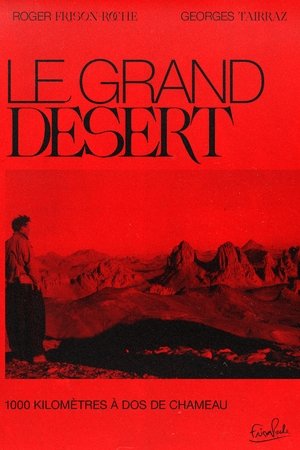
In 1950, the explorer Roger Frison-Roche made a crossing of more than a thousand kilometers on the back of a camel with the photographer Georges Tairraz II, in the heart of the Sahara, from Hoggar then Djanet in Algeria to Ghat in Libya. From their journey they brought back a large number of color films and documents. Among thousands of photos, they selected 47 images which reflect the various aspects of these immense spaces which occupy a third of Africa in the book "The Great Desert". “The Great Desert, 1000 kilometers on camelback” is the eponymous 85-minute documentary of this epic, released in 1950.
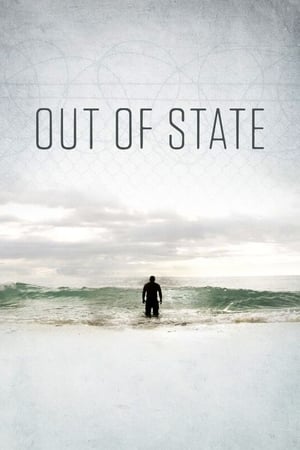
Out of State is the unlikely story of native Hawaiians men discovering their native culture as prisoners in the desert of Arizona, 3,000 miles, and across the ocean, from their island home.
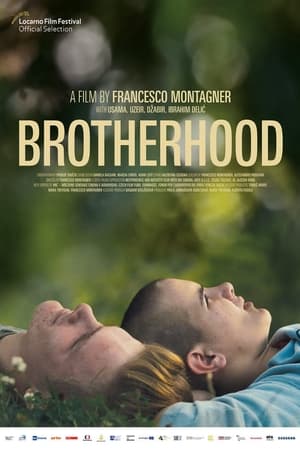
Jabir, Usama and Uzeir are three young brothers in a Sunni family of shepherds. Since childhood, their father Ibrahim has rigidly trained them in the principles of the Quran and has filled their minds with stories of the Bosnian War.
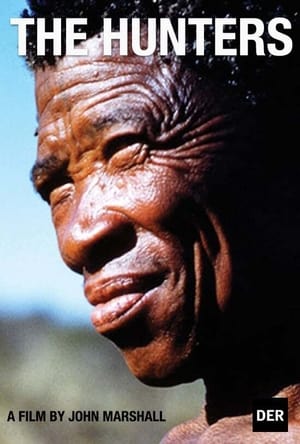
An ethnographic film that documents the efforts of four !Kung men (also known as Ju/'hoansi or Bushmen) to hunt a giraffe in the Kalahari Desert of Namibia. The footage was shot by John Marshall during a Smithsonian-Harvard Peabody sponsored expedition in 1952–53. In addition to the giraffe hunt, the film shows other aspects of !Kung life at that time, including family relationships, socializing and storytelling, and the hard work of gathering plant foods and hunting for small game.
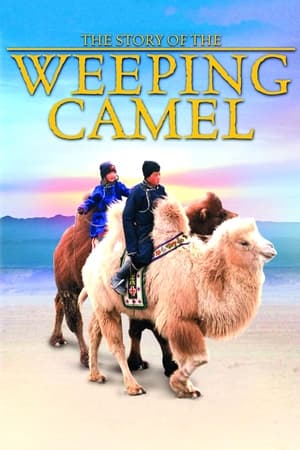
When a Mongolian nomadic family's newest camel colt is rejected by its mother, a musician is needed for a ritual to change her mind.
Wolves divide and fascinate us. 150 years after they were driven to extinction in Central Europe, they are returning slowly but inexorably. Are they dangerous to humans? Is it possible to coexist? Using Switzerland as a point of departure, where wolves have returned in the very recent past, this documentary sheds light on the wolf situation in Austria, eastern Germany, Poland, Bulgaria, and even Minnesota, where freely roaming packs of wolves are more common sight.
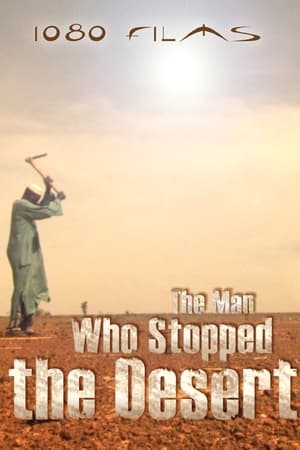
As a child in Burkina Faso, Yacouba was sent away from home to study the Qur'an, where he and his classmates were almost starving. The young boys would trek across miles of wilderness, only to fall and beg at a straw hut for meagre rations. It is from this harsh background that the young farmer became determined to develop techniques that would bring exhausted soil back into production. His efforts have outdone the work of the world's leading scientists and technological advances costing millions of pounds. They may also yet prove crucial to the future of the world's rapidly growing population and global food demands.
Twenty-Five miles from town, a million miles from mainstream society, a loose-knit community of eco-pioneers, teenage runaways, war veterans and drop-outs, live on the fringe and off the grid, struggling to survive with little food, less water and no electricity, as they cling to their unique vision of the American dream.
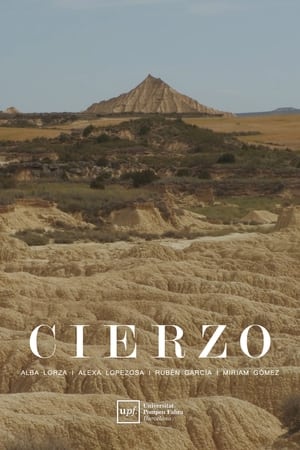
At the border between Navarre and Aragon we find the moors known as the Bardenas Reales, characterized by the dust and the omnipresence of the northern wind. This is a portrait of a land, but also a journey through Pilar’s memories. It is a glance at the past but also the present, and about how everything has changed, for better or worse.
The untold story of a series of Reagan-era guerrilla punk and industrial desert happenings in Southern California that are now recognized as the inspiration for Burning Man, Lollapalooza, and Coachella. Interviews and rare performance footage of Sonic Youth, Minutemen, Meat Puppets, Redd Kross, Einstürzende Neubauten, Survival Research Laboratories, Savage Republic, Swans and more.
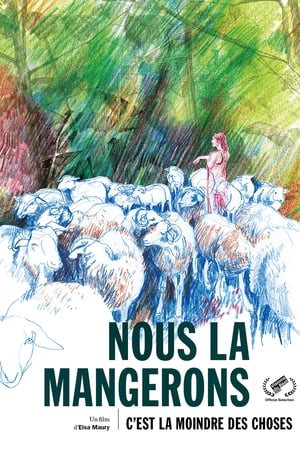
Orla Barry is a hard-working, lipstick-wearing sheep farmer in rural Wexford. She is also a visual artist, renowned for her video and sound art. She strides confidently from art seminars to the Tullamore Show, lambing in April and shearing in June, working tirelessly to make a living from eco-farming in the face of global demand for faster, cheaper meats and wools. But while tied to the demands of the ovine calendar she must make time to let her creativity flow.
One of the world’s greatest ancient enigmas, the Nazca lines are a dense network of criss-crossing lines, geometric shapes, and animal figures etched across 200 square miles of Peruvian desert. Who created them and why? Ever since they were discovered in the 1920s, scholars and enthusiasts have raised countless theories about their purpose. Now, archaeologists have discovered hundreds of long-hidden lines and figures as well as evidence of ancient rituals, offering new clues to the origins and motivations behind the giant desert symbols.
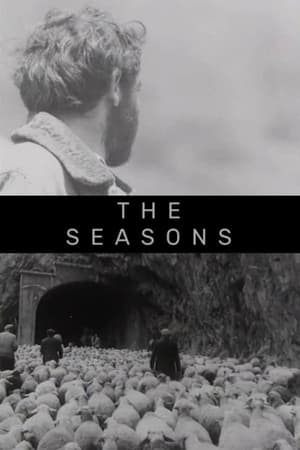
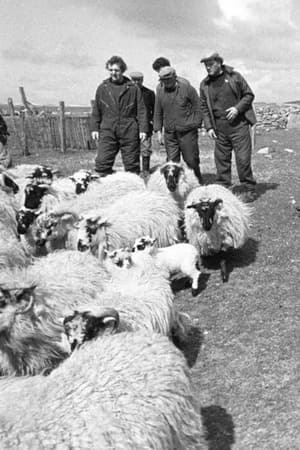
In 1980, Jack Shae and Allen Moore, two ethnographic filmmakers from Harvard University, moved their families to the island of Berneray in the Outer Hebrides. Over the course of 18 months they documented the everyday lives and struggles of the crofters they lived among, whom were even then a vanishing breed. The film is in English and Gaelic. This carefully observed documentary by filmmakers Jack Shae and Allen Moore is a poetic ethnographic film in the style of their mentor, Robert Gardner (“Dead Birds”). It follows the rhythm of life on a wind-swept island in the Outer Hebrides through the four seasons and in the filmmakers’ observation of the day-to-day struggles of a vanishing society we see the deep-time legacy of their kind. The film is in English and Gaelic.
For the last twelve years, Marisela and Ely, along with the volunteer group The Águilas del Desierto have roamed the US-Mexico desert. Their goal: to seek, find and return to their families the bodies of migrants who died while crossing on foot. This all-consuming calling takes a crushing toll on them, but how could they stop? Spare My Bones, Coyote! follows their work, dedication, and difficult lives they have chosen to live.
A mechanic discovers the fossil of a huge carnivorous dinosaur, unleashing a war between scientists, mayors and neighboring towns to keep “the biggest dinosaur in the world.” Among bone thefts, replicas and a mayor obsessed with creating Dinolandia, anything goes when it comes to surviving.
At once a vast expanse of mesmerizing desolation and the crucible of human history, the Sahara Desert has been both the battlefield of empires and the haunted wilderness at the margins of the known world for thousands of years. Shot on location, this exhilarating documentary brings to life the Sahara’s cruel history and the conflicts that still plague its people. THE SAHARA recounts the story of kings who once led caravans of 30,000 people across the desert, bearing riches beyond imagination. It tells of Roman death squads that exterminated the citizens of the Empire’s most bitter rival and how the Foreign Legion crafted a legend out of last stands and lost causes. From the fabled metropolis of Timbuktu to the shores of Tripoli, THE SAHARA is an illuminating exploration of this unforgiving and remote land of myth and mirage.
A Mexican boy without young neighbors to play with, befriends a diverse group of desert animals.
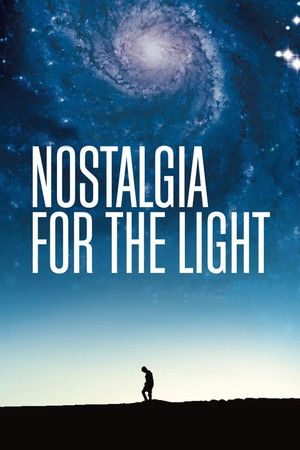
In Chile's Atacama Desert, astronomers peer deep into the cosmos in search for answers concerning the origins of life. Nearby, a group of women sift through the sand searching for body parts of loved ones, dumped unceremoniously by Pinochet's regime.
Peru is a country of many contrasts. From the cold waters of the Coast over the 6000 m high Andes to the unique biodiversity of the Amazon Jungle. Peru isn't only Machu Picchu. It's much more.