The San Francisco Foundation presents 2013 Community Leadership Awardee, Educators for Fair Consideration (E4FC), with The San Francisco Foundation Award, made to an organization demonstrating exemplary commitment to improving human relations in the Bay Area. E4FC provides direct support to and advocacy for highly motivated, college-bound undocumented students who had come to the United States as children and wished to remain. They are a leader in the field of immigrant work, providing youth tangible support and the space for them to tell their own story. As a result, E4FC's work is an essential part of the DREAMers movement catapulting the organizations role as a leader in both the Bay Area and as a national model in supporting and empowering immigrant youth. www.sff.org/cla
Puente de la Costa Sur, winner of the San Francisco Foundation 2004 Community Leadership Awards (John R. May Award) - for its creative, grassroots efforts to provide education, social justice advocacy, direct services, and community connections enabling immigrant men in rural San Mateo County to improve their living and working conditions
Once hunted to extinction, the California Grizzly survives only as a symbol, frozen on the state flag, waving over the land it once roamed. A century later, will California bring back its lost icon or leave it in myth?
"I especially hope to inspire young women, because I often feel like so much emphasis is put on how beautiful you are, and how thin you are, and not a lot of emphasis is put on what you can do and how smart you are. I'd like to change the emphasis of what's important when looking at a woman." Filmed in San Francisco in 2000, Margaret Kilgallen (1967-2001) discusses the female figures she incorporated into many of her paintings and graffiti tags. Loosely based on women she discovered while listening to folk records, watching buck dance videos, or reading about the history of swimming, Kilgallen painted her heroines to inspire others and to change how society looks at women. Three of Kilgallen's heroines—Matokie Slaughter, Algia Mae Hinton, and Fanny Durack—are shown and heard through archival recordings. Kilgallen is shown tagging train cars with her husband, artist Barry McGee, in a Bay Area rail yard and painting in her studio at UC Berkeley (source: Art21).
Riding Giants is story about big wave surfers who have become heroes and legends in their sport. Directed by the skateboard guru Stacy Peralta.
Bejeweled Fishes captures the spectacular beauty of the myriad fishes inhabiting coral reefs of the Tropical and Eastern Pacific. This Wild Window was captured in the Maldives Islands, Fiji, the Philippines, Mexico, California, and Indonesia.
For decades, Barbara Dane lent her stellar singing voice to social-justice movements in the Bay Area and beyond, garnering an impressive FBI file along the way. Deeply respected by fellow luminaries in folk, blues and jazz, Dane built a far-reaching legacy with music, activism, and love. As Maureen Gosling’s celebratory portrait reveals, early solidarity with those suffering racial and economic injustice sparked Dane’s passion to use her talent to sustain marginalized people. Rather than chase stardom, she followed her own maternal instincts to root herself and her family among generations of activist performers. Bonnie Raitt, Jane Fonda and other notables attest to Dane’s unique way of shaping and being shaped by tumultuous social revolutions from the 1950s on. Nearing 90, Dane triumphantly tours with piano virtuoso Tammy Hall to celebrate a life of staying awake and connected, true to her ideals. One star among many illuminates so much.
Gigantic machine combs beach in southern California and retrieves articles lost in sand; synthetic gems made by new chemical process; aviation school holds classes in grounded transport plane; how seaweed is processed for scientific use.
Corral is a 1954 National Film Board of Canada documentary by Colin Low, partly shot in the Cochrane Ranch in what is now Cochrane, Alberta. In the film, a cowboy rounds up wild horses, lassoing one of the high-spirited animals in the corral, then going on a ride across the Rocky Mountain Foothills of Alberta.
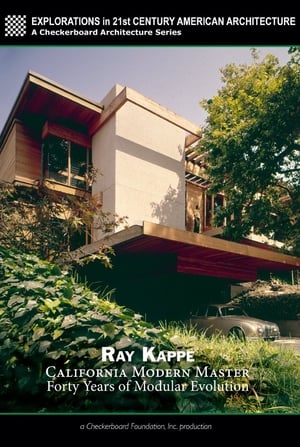
A core group of architects embraced the West Coast from Vancouver to LA with its particular geography and values and left behind a legacy of inspired dwellings. Today, architects celebrate the influence established by their predecessors.
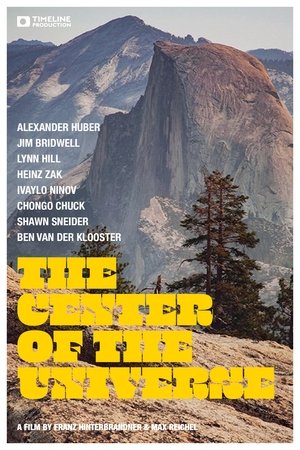
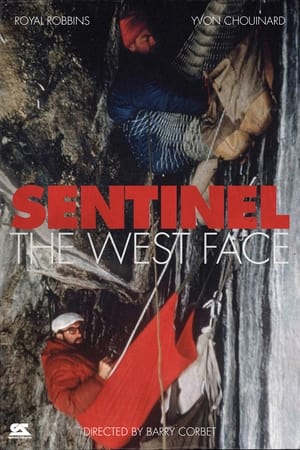
The Center Of The Universe chronicles four days in the life of German climber Alexander Huber in Yosemite Valley, California. Living the typical Yosemite vagabond lifestyle, Alex reflects on his goal of successfully free-climbing "El Corazon" (35 pitches, 8a) on the famous El Capitan face, which is a combination of the historic routes "Salathé," "Albatross," "Son of Heart," and "Heart Route," connected by newly laid out sections. 35 challenging pitches, combining technicality, stamina, and commitment, with difficulty levels up to 8a. The film showcases the unique style of climbing in Yosemite, as well as a piece of history of the famous valley, narrated by Heinz Zak, Jim Bridwell, Lynn Hill, Alexander Huber, and Chongo Chuck themselves.
Explore the 1928 collapse of the St. Francis Dam, the second deadliest disaster in California history. A colossal engineering and human failure, the dam was built by William Mulholland, a self-taught engineer who ensured the growth of Los Angeles by bringing the city water via aqueduct. The catastrophe killed more than 400 people and destroyed millions of dollars of property.
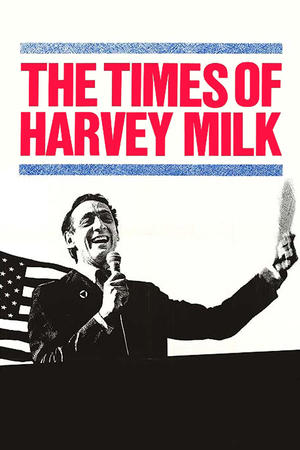
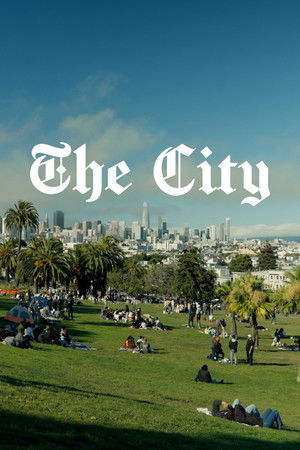
Harvey Milk was an outspoken human rights activist and one of the first openly gay U.S. politicians elected to public office; even after his assassination in 1978, he continues to inspire disenfranchised people around the world.
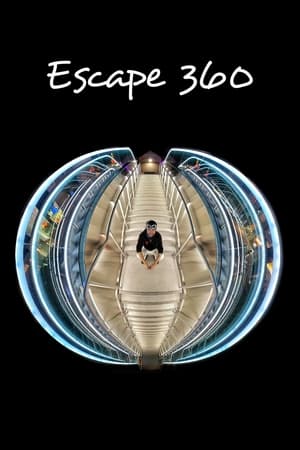
One man, one camera, one goal...to capture the essence of adventure. An experimental, often abstract new type of filmmaking process creating color rich visuals combined with a lush soundtrack that grounds the project. A unique cinematic experience.
The creative chemistry of four brilliant artists —drummer John Densmore, guitarist Robby Kreiger, keyboardist Ray Manzarek and singer Jim Morrison— made The Doors one of America's most iconic and influential rock bands. Using footage shot between their formation in 1965 and Morrison's death in 1971, it follows the band from the corridors of UCLA's film school, where Manzarek and Morrison met, to the stages of sold-out arenas.
In the shady campgrounds of Yosemite valley, climbers carved out a counterculture lifestyle of dumpster-diving and wild parties that clashed with the conservative values of the National Park Service. And up on the walls, generation after generation has pushed the limits of climbing, vying amongst each other for supremacy on Yosemite's cliffs. "Valley Uprising" is the riveting, unforgettable tale of this bold rock climbing tradition in Yosemite National Park: half a century of struggle against the laws of gravity -- and the laws of the land.
Pictures Southern California as the area in America most like the Mediterranean lands in climate. Shows that the two areas produce similar crops.
Tells the story of the fierce battle of survival waged by plant life, animals and human beings on the desert. Shows where the desert areas of the world are located and why they are barren wastelands.
A description and enactment of the discovery of gold by James Marshall, and the role played by John Sutter. Preserved by the Academy Film Archive.
Explorations in 21st Century American Architecture Series: Ray Kappe has long been a cult figure in the architectural scene in and around Los Angeles. In 1972, he founded the influential, avant garde Southern California Institute of Architecture (SCI-ARC), where many of the younger-generation architects have studied or taught.