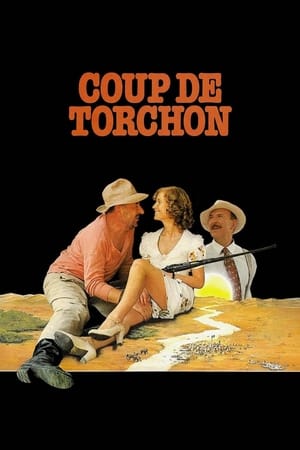
A pathetic police chief, humiliated by everyone around him, suddenly wants a clean slate in life, and resorts to drastic means to achieve it.
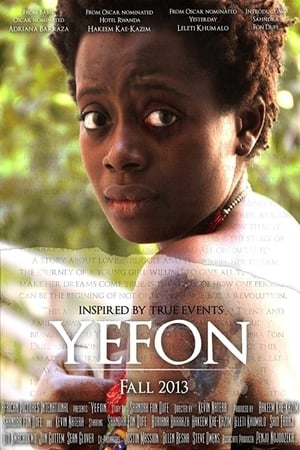
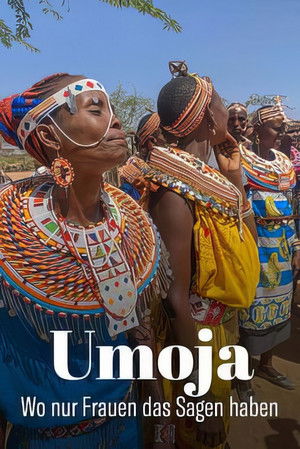
An illiterate village girl defies the customs of her tribe, discriminatory to women, only to become the spark of a Literary Revolution.
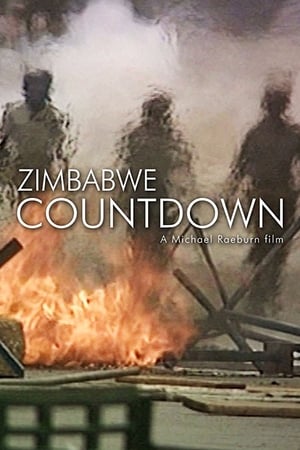
Based on powerful archival material documenting the most daring moments in the struggle for liberation in the Third World, this documentary is accompanied by classic text from The Wretched of the Earth by Frantz Fanon.
Maggie is an ordinary Canadian girl with the best of intentions who has signed on to work in a Catholic mission in Zimbabwe. With an ample supply of enthusiasm and ignorance, she consistently demonstrates her lack of understanding of the local culture. When she is robbed, she fights for the release of the man convicted of the crime and belatedly makes some attempt to understand her environment.
Every climbing reward comes at the cost of a potential risk, but when you are a climbing pioneer, driven by the unknown and unexpected, you are willing to risk whatever it takes for the chance to find the perfect first ascent line. This is a story of exploration and discovery, a journey of friendship and solitude, a quest to fuel an obsessive passion. Starring Paul Robinson, Jimmy Webb, Daniel Woods, Chris Sharma and Niky Ceria.
Amidst failed harvests and the threat of AIDS, Zimbabweans look for work, preferably in South Africa. But their illegal status and xenophobic whites do not make life any easier in the neighbouring state.
When her archaeologist father disappears on an expedition, Wanda sets out to look for him. What she finds is a secret underground world, where no one believes in life on the surface and where she and her father are taken for spies.
Shine is a teenager in Zimbabwe who doesn't believe in herself. In the face of life-altering events, she is forced to rely on her own ingenuity and determination to face her future.
Villagers advise an abusive husband to channel his rage in the army. There, he must come to terms with violent urges that have deep and painful roots.
The life of Shona mbira player Gwanzura Gwenzi coexists in both the traditional and modern worlds: he works in the city for a large western corporation; at his rural homestead, he is the family head who hosts all-night spirit ceremonies, called bira. His sister Francisca is the family medium for the spirit of Kaodza, their great-grandfather. The highlight and centerpiece of the film is a bira, perhaps the only one ever completely captured on film. We see the various stages and liturgical components of the ceremony, culminating in the arrival of the spirits late at night. Francisca’s daughter, now-famous mbira player Stella Chiweshe becomes possessed by a snake spirit. Kaodza arrives through Francisca, and the family confers with the spirit in an extraordinary scene that shows how ancestors interact with the living. (Description credit: Villon Films)
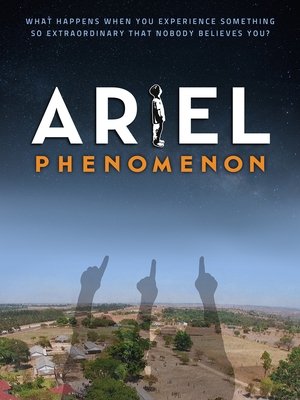
Ariel Phenomenon explores an African extraterrestrial encounter witnessed by over sixty schoolchildren in 1994. As a Harvard professor, a BBC war reporter, and past students investigate, they struggle to answer the question: "What happens when you experience something so extraordinary that nobody believes you?"
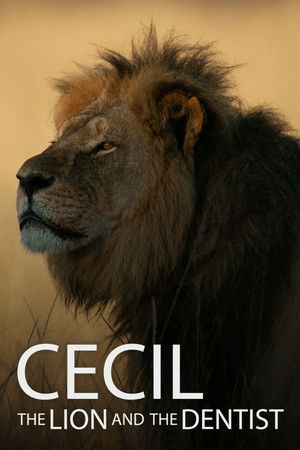
In 2015 a lion in Zimbabwe named Cecil was killed by Walter Palmer, an American dentist, provoking a global outcry. The story of Cecil’s death turns the gaze back on to us and our behaviour. The simplicity of the outrage is a stark contrast to the complexity of the reality.
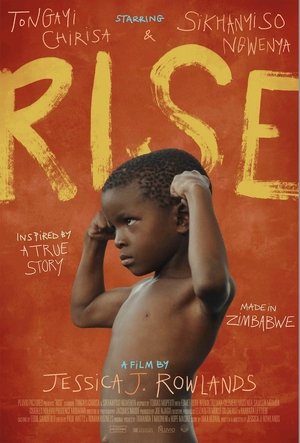
A charismatic young boy who lives on a rubbish dump in Zimbabwe must convince a reclusive boxing coach to teach him to fight in order to find safety and strength in a world that has left him behind.
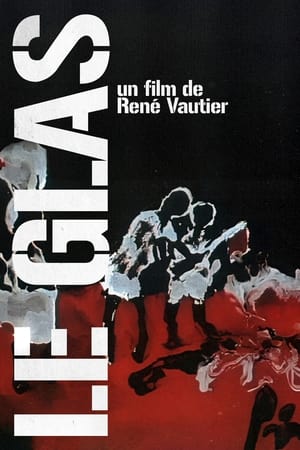
At the beginning of the 1960s, in Salisbury (now Harare), in Southern Rhodesia (now Zimbabwe), the government of Ian Smith hanged three black revolutionaries who had nevertheless been pardoned by the Queen of England. René Vautier, with ZAPU (Zimbabwe African Party for Unity), denounces this killing. Expelled by the Rhodesian police (informed by the French secret services), the filmmaker shoots a film in Algeria in the form of an indictment against colonial savagery. The film was first banned in France, then authorized in 1965.
A young woman preparing for her customary marriage finds her future threatened when her former boyfriend, an escaped prisoner, arrives intent on stopping the wedding and disrupting her new life.
Robert (not his real name), is a gay Zimbabwean man who fled to South Africa in the hopes of making this his home. What he found instead was abuse at the hands of other gay men, homophobia from Department of Home Affairs officials as well as the difficulties of navigating the Covid-19 pandemic as a sex worker living in a foreign country. In this short film, Robert speaks with candour about fleeing his homeland, his life in South Africa and his hopes for the future.
Simbiso, a determined 17-year-old girl from a rural village, carries the weight of raising her younger siblings after losing their parents. When she is cornered by her aunt to marry an old man as a ticket out of poverty, she is forced to make a hard decision.
Between 1907 and 1909, Robert Lohmeyer (1879-1959), a German pioneer of color photography, traveled through the German colonies in Africa and portrayed their landscapes and native peoples in color for the first time, thus fulfilling a laudable purpose; but also laying the foundations for an enduring racist vision of the entire continent.
Ivory Coast, the Democratic Republic of Congo, and Senegal – when it comes to love and sex, these African countries are caught between tradition and modernity.
Land of empty promises