Presented as if it were an archive from the beginning of the 20th century, like a Pathé newsreel, this film tells the story of the life of Etienne-Jules Marey, the 19th century pioneer of photography and cinema, famous for studying animal and human locomotion.
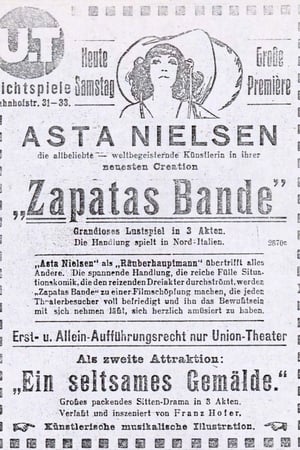
A film crew is shooting a movie about guns and robbers, when real robbers turn up. Having to go home in robbers costume, they are mistakingly accused of a robbery. One of the earliest films portraying bisexual characters.
A tramp tries to earn money by playing the violin, but he’s soon facing off against the jealous competition.
Fairground boxing booth where visitors try to knock out the champion and win five pounds, the first contestants is knocked out but the very eager (and possibly drunk) third man knocks out the champion and overcome with "boxing fever" rushes out punching at everybody and everything he meets. (britishpathe.com)
Each time Mrs Babylas sees an animal, she just can't help herself bring it back home.
Silent comedy, based on a 1913 stage play of the same title.
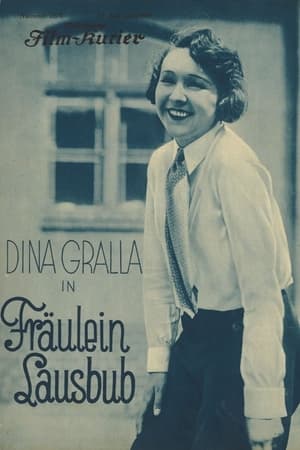
Daisy Baroness Eggloffsburg, a ball of energy, is a spoiled and rather lively, cheerful wild child who is always in the mood for pranks. Her uncle Egon, a stern old gentleman, thinks she has had enough of her foolishness and boozy ideas and needs a man to tell her off and tame Daisy. Harry Spring, the young sportsman hired for the job, is supposed to get both the girl and Baron Eggloffsburg, the owner of the racing stable, back on their feet. But Daisy doesn't give in so easily and now begins to give the young gallant a good grooming.
A jungle travelogue looking for monkeys.
A desperate man and two romantic rivals encounter one another at a Christmas party.
Clark Can't gets into a dangerous situation with his abusive adoptive father Jonathan Can't.
The hilarious story of a restless young farm-thumb, Loke Groundrunner, and his tasty companion, Princess Bunhead, who go on an quest to combat Black Helmet Man and the Evil Thumbpire. This is the first film of the hilarious 'Thumbs!' franchise.
Snub, the delivery man, and his assistant, Sunny, are returning from a delivery when they almost run over a lost woman. After she asks for directions, they accompany the woman to a dance school, where Snub is mistaken for the new professor.
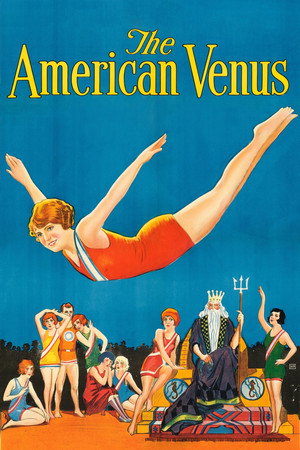
A lost film - Mary Gray, whose father manufactures cold cream, is engaged to sappy Horace Niles, the son of Hugo Niles, the elder Gray's most competitive rival in the cosmetics business. Chip Armstrong, a hot-shot public relations man, quits the employ of Hugo Niles and goes to work for Gray, persuading Mary to enter the Miss America contest at Atlantic City, with the intention of using her to endorse her father's cold cream should she win. Mary breaks her engagement with Horace. When it appears that she will win the contest, Hugo lures her home on the pretext that her father is ill, and she misses the contest. Chip and Mary return to Atlantic City, discovering that the new Miss America has told the world that she owes all her success to Gray's cold cream. On this note, Chip and Mary decide to get married.
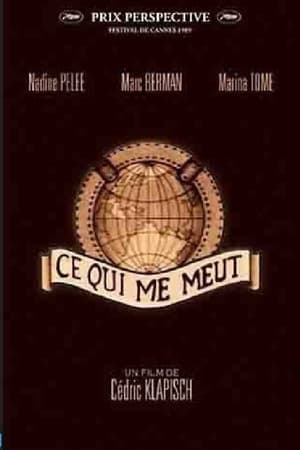
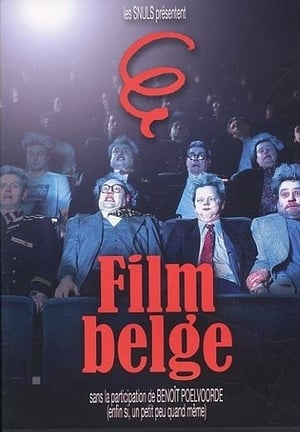
Scene 23, Slow pan The wind whistles over the dykes of the Willebroek Canal. Armand sighs. The viewer should feel goose bumps under their thick sweater. Make it clear that at this moment, Armand is craving a cup of Borain coffee. Scene 456, Armand's farm Armand puts down his coffee cup. Through the window, he sees a beautiful Romanian refugee with AIDS playing the cello in the beet field. Behind Armand, his wife, a former RTBF announcer, commits suicide by hitting herself with hot potatoes. Scene 2,347, sublime landscape of Flanders Armand can't take it anymore: will he choose the position of deputy for the Vlaamse Blok or that of puppeteer subsidized by the CUCF? No one can say.
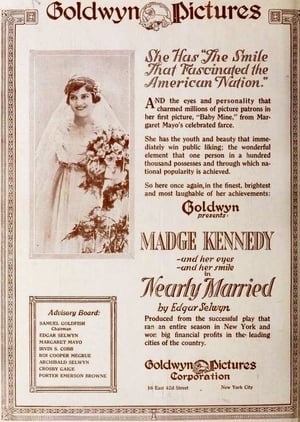
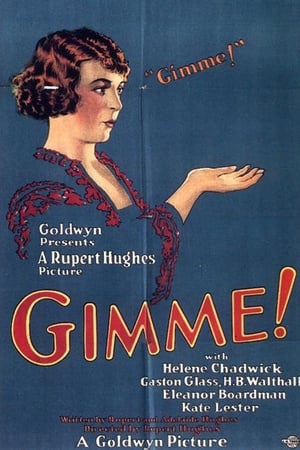
A young woman borrows money from her boss for her wedding dress. After the marriage he asks to be repaid, and she--not liking to ask her husband for money--writes a check on her husband's account. When he discovers that his wife has written a check to another man and not told him, complications ensue.
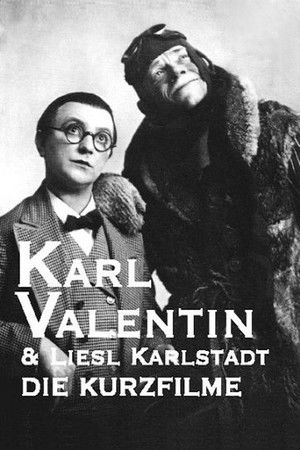
Karl Valentin and Liesl Karlstadt at the Oktoberfest.
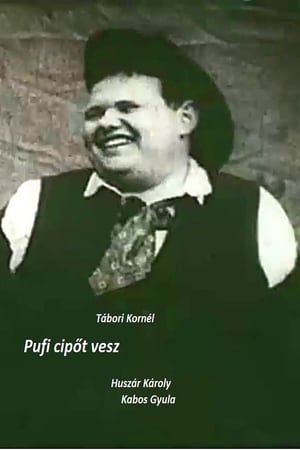
Out of the three-part burlesque, the only surviving one is the one called Pufi would buy a pair of shoes, with Hungarian inserts. The film is shot on a real-life location, in a Budapest shoe shop, and it portrays the mutual efforts of a puny sales assistant and Pufi, the bladder-of-lard customer, to find him a suitable pair of shoes. The content of the other two parts is not known.
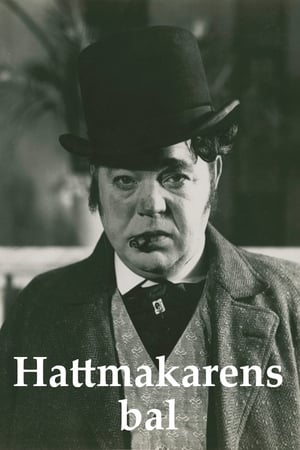
The wealthy hat maker Cederström has two daughters, Marianne and Lotte. He has decided that Marianne should marry Melander even though she loves the poet Malm. Lotte on the other hand loves Melander.
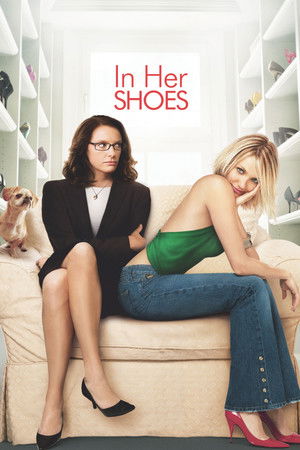
Irresponsible party girl Maggie is kicked out of her father's and stepmother's home—where she lives for free—and is taken in by her hard-working sister, Philadelphia lawyer Rose. After Maggie's disruptive ways ruin her sister's love life, Rose turns her out as well. But when their grandmother, who they never knew existed, comes into their lives, the sisters face some complicated truths about themselves and their family.
La Guerre des Romands