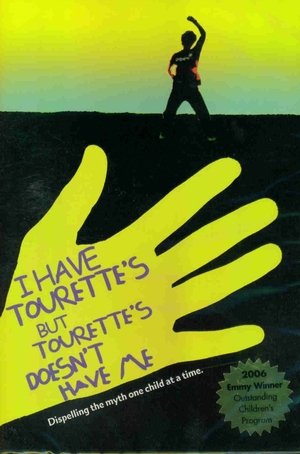
This insightful Home Box Office documentary profiles some American children afflicted with Tourette's syndrome -- a hereditary neurological disorder manifested by recurrent, involuntary vocal and motor tics. More than a dozen youngsters ranging from ages 6 to 13 discuss the stigma of Tourette's, what it's like to grow up with the condition, control measures and the challenges they face to be viewed as normal.
Rate It X is a bitingly funny and disarming journey through the landscape of American sexism. Men only are interviewed by the two filmmakers in a witty montage of free-wheeling encounters. Pornographers, corporate executives, a funeral parlor director and Santa Claus are among those who reveal more than they intended. A surprisingly candid view of men's feelings towards women 15 years after the birth of the women's movement.
An inspiring documentary chronicling the rise, fall and resurrection of '80s metal band Quiet Riot. The career of Frankie Banali, the band's drummer, reached a serious crossroads when his best friend and bandmate died in 2007. Years later, Banali realizes he must forge ahead and make a new life for himself and his daughter and he goes on a quest to reunite the band and fill the immense void left by his bandmate.
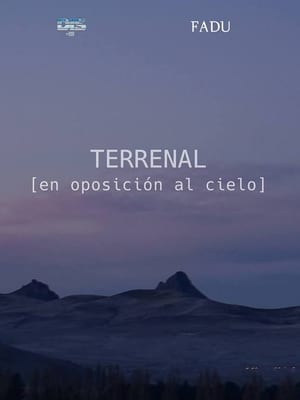
Terrenal is the portrait of a village in Patagonia where the forms of life of two different social groups are related. These two ways of living in the same place show a crude and hostile environment whose experience is conditioned.
A new uranium mill -- the first in the U.S. in 30 years -- would re-connect the economically devastated rural mining community of Naturita, Colorado, to its proud history supplying the material for the first atomic bomb. Some view it as a greener energy source freeing America from its dependence on foreign oil, while others worry about the severe health and environmental consequences of the last uranium boom.
American Experience presents Summer of Love, a striking picture of San Francisco's Haight Ashbury district during the summer of 1967 -- from the utopian beginnings, when peace and love prevailed, to the chaos, unsanitary conditions, and widespread drug use that ultimately signaled the end. Academy Award-nominated filmmakers Gail Dolgin and Vicente Franco (Daughter from Danang) examine the social and cultural forces that sparked the largest migration of young people in America's history.
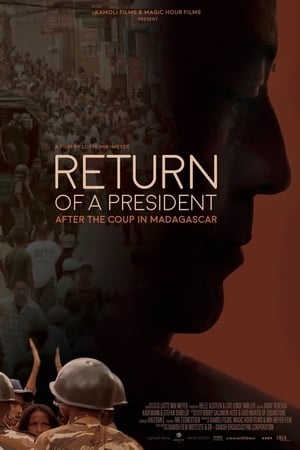
In a fascinating geopolitical drama, Danish filmmaker Mik-Meyer closely follows Ravalomanana as he attempts to return from exile in South Africa to Madagascar, under the threat of arrest and bodily harm.
Examines the impact a century of struggling for survival has on a native people. It weaves the Crow tribe's turbulent past with modern-day accounts from Robert Yellow-tail, a 97-year-old Crow leader and a major reason for the tribe's survival. Poverty and isolation combine with outside pressures to undermine the tribe, but they resist defeat as "Contrary Warriors," defying the odds.
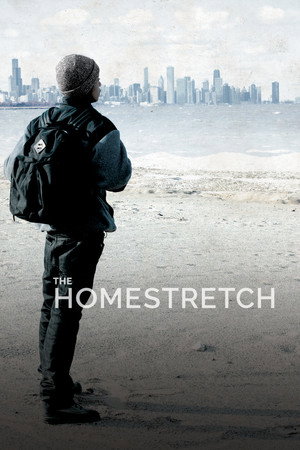
Three homeless teenagers brave Chicago winters, the pressures of high school, and life alone on the streets to build a brighter future.
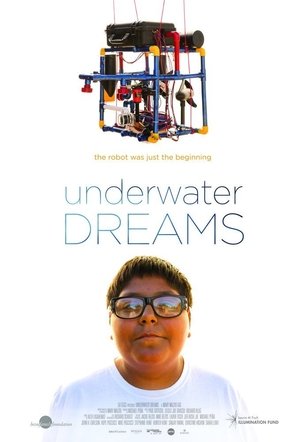
Underwater Dreams, narrated by Michael Peña, is an epic story of how the sons of undocumented Mexican immigrants learned how to build underwater robots. And go up against MIT in the process.
A funeral procession pushes across the florid stillness of a deserted Romanian village.
Since the late 18th century American legal decision that the business corporation organizational model is legally a person, it has become a dominant economic, political and social force around the globe. This film takes an in-depth psychological examination of the organization model through various case studies. What the study illustrates is that in the its behaviour, this type of "person" typically acts like a dangerously destructive psychopath without conscience. Furthermore, we see the profound threat this psychopath has for our world and our future, but also how the people with courage, intelligence and determination can do to stop it.
Founding a social Muay Thai project in the North Zone of Rio de Janeiro, Mestre BG and his competitors face the adversities of an underfunded project and fight to win their place on the podium. The challenges intensify when one of the students, Raíssa Pacheco, secures a spot to compete in a South American championship in Uruguay.
Named after a type of Belgian lace, this spectral study investigates intricate illusion and optical arrest.
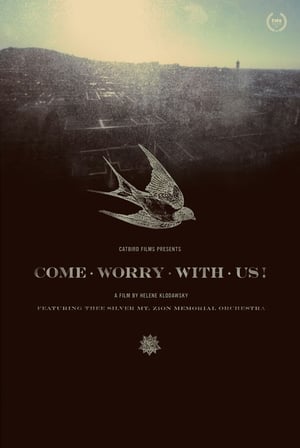
Acclaimed Montreal band Thee Silver Mt. Zion Memorial Orchestra is one of a growing number of rock groups to have accepted an infant into their touring tribe. Touring with children is both costly and complicated, yet SMZ are determined to combine family life and being on the road with the band's deep political commitment.
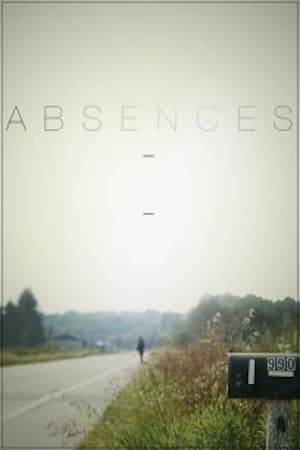
Carole Laganière dives deeply into personal territory in this beautifully crafted exploration of absence and loss and its painful effect on daily lives. Inspired by her mother’s steadily advancing Alzheimer’s and the inevitability of her estrangement, Laganière weaves their story with the stories of others wrestling with loss: Ines, an immigrant who returns to her birth country of Croatia to find the mother who abandoned her during the war; Deni, an American author who’s finally able to search for his Quebec roots; and Nathalie, who’s desperately looking for her missing sister. Through their experiences the film ponders how absence is often the catalyst for a quest—a quest for information, understanding and often acceptance. Through its many voices, Absences speaks to us of the immense fragility and resiliency of human emotions.
Lee Anne Schmitt explores California's landscape and past to document the history of one-time boom towns built and abandoned by the industries that necessitated their creation. Sold as a limitless land expansive with free opportunity, California was actually, from its onset, fissured by the interwoven needs of private and public interests. Schmitt's film covers various locations through time, as the major industries of the early 20th century (mining, lumber, oil) give way to the military, eventually leading to multinational corporations, and the use of small towns as satellites for growing urban metropolises.
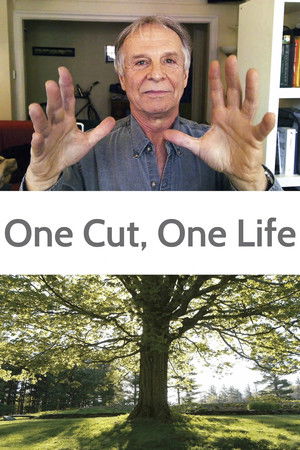
When seminal documentarian Ed Pincus is diagnosed with a terminal illness, he and collaborator Lucia Small team up to make one last film, much to the chagrin of Jane, Ed’s wife of 50 years. Told from two points of view with vulnerability, intimacy and humor, ONE CUT, ONE LIFE challenges the form of first person documentary while offering a complex story of love, loss, legacy, and the delicacy of capturing the preciousness of life while time is fleeting.
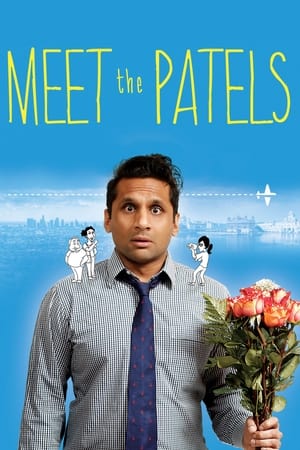
Finding love is never easy. For Ravi Patel, a first generation Indian-American, the odds are slim. His ideal bride is beautiful, smart, funny, family-oriented, kind and—in keeping with tradition—Indian (though hopefully raised in the US). Oh, and her last name should be Patel because in India, Patels usually marry other Patels. And so at 30, Ravi decides to break up with his American girlfriend (the one who by all accounts is perfect for him except for her red hair and American name) and embark on a worldwide search for another Patel longing to be loved. He enlists the help of his matchmaker mother, attends a convention of Patels living in the US and travels to wedding season in India. Witty, honest and heartfelt, this comedy explores the questions with which we all struggle: What is love? What is happiness? And how in the world do we go about finding them?
Made on the occasion of March 8, it presents a series of brief portraits of women, from various professional fields, of different ages and even of different ethnicities, pointing out the benefits that the communist organization had brought to their daily lives. A special emphasis is placed on their status as mothers and on the role of nurseries and socialist kindergartens not only in making their lives easier, but also in giving them the time they need to build a career. Another concern of the filmmaker, starting from the concrete case of one of the protagonists, is to highlight the differences between the happy present and the not-too-distant past in which someone with her social status should have dedicated herself exclusively to raising children, in hygienic and extremely difficult lives.