A spirited cancer survivor goes on a spontaneous search for 'The Berlin Patient' - the first man in the world actually cured of HIV.
Pigerne på Halmtorvet
The life of internationally renowned artist and activist Nan Goldin is told through her slideshows, intimate interviews, ground-breaking photography, and rare footage of her personal fight to hold the Sackler family accountable for the overdose crisis.
Voices of Positive Women is a ground-breaking documentary examination of the impact of HIV and AIDS on the lives of women working from material published in the book "Positive Women", a collection of personal accounts of women from all over the world living with AIDS and HIV. Bravely sharing their experiences publicly in what until now has been a void of information and support, and in some cases medical and bureaucratic denial that women are even at risk, the nine women presented in Voices of Positive Women speak compellingly on their own terms of their personal struggles for survival and voice.
German iconoclast filmmaker and gay-rights activist Rosa vonPraunheim examines his own life and career in the documentary Phooey Rosa! With a quickly paced editing style, the film is a mix of personal banter, candid interviews, and clips from his filmography. It also includes footage from his early film Bed Sausage to his later work Neurosia. At the age of 60, vonPraunheim reveals intimate details about his past relationships and his childhood growing up after WWII. He also implicates some of his friends and inspirations, including Luzi Kryn and Rainer Kranach.
After a quarter-century of political denial and social stigma, of stunning scientific breakthroughs, bitter policy battles and inadequate prevention campaigns, HIV/AIDS continues to spread rapidly throughout much of the world. Through interviews with AIDS researchers, world leaders, activists, and patients, FRONTLINE investigates the science, politics, and human cost of this fateful disease and asks: What are the lessons of the past, and what can be done to stop AIDS?
An in-depth portrait of British composer, pianist and singer Elton John, pop star and myth of modern culture.
AIDS, Inc. is a film about the multi-billion dollar AIDS industry, and how it profits from continuing fears and misconceptions about the disease.
Controversial documentary about gay men purposely contracting the AIDS virus.
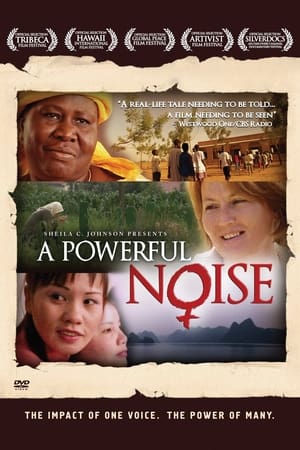
A powerful story of loss, stigma, friendship, and being alive! "I will speak, I will speak!" tells how five HIV-infected men and women from Zambia (Lusaka), Russia (Moscow), the USA (San Francisco), Cambodia and England brave life while infected with the deadly virus.
In Uganda, AIDS-infected mothers have begun writing what they call Memory Books for their children. Aware of the illness, it is a way for the family to come to terms with the inevitable death that it faces. Hopelessness and desperation are confronted through the collaborative effort of remembering and recording, a process that inspires unexpected strength and even solace in the face of death.
As a result of the Holocaust and later, AIDS, the male homosexual community has sustained bitter losses and, according to Praunheim, lesbian women have now placed themselves at the head of the so-called queer movement. The female protagonists in the film represent two different generations; they also incorporate the past and present status of homosexuals in society.
Through interviews with key AIDS Healthcare Foundation (AHF) stakeholders from over the years coupled with archival video footage culled from AHF's 30 years of advocacy, care and activism, 'Keeping the Promise' tells a compelling story of AHF's history while offering a glimpse of, and road map to its future.
A documentary film that tells the story of the Peter Kruger Clinic (PKC) – one of the first HIV/AIDS clinics in the United States, which was established at Beth Israel Hospital in 1989. Started during the height of the epidemic in New York City, PKC boldly stood against the stigma of the disease and served as a beacon of hope and a model of care for those New Yorkers diagnosed with HIV/AIDS. This powerful film traces the clinic’s origins and its impact over the last 3 decades, as told by the patients and staff that have called it home.
One of the earliest documentaries to deal with AIDS.
Hur kunde hon leva som om det inte fanns
The Other Side of AIDS takes us behind the hype and headlines and into the heart of a brewing controversy over the cause and treatment of AIDS. Through candid interviews with doctors and scientists representing both sides of the issue and HIV positives on and off the drugs, the film opens minds and much-needed dialogue. Informative without being instructive, it raises fundamental questions about what we think we know. Its surprising and sometimes shocking revelations inspire us to take a closer look at HIV and AIDS and the systems that support our current views.
The business of HIV is uncovered through the lens of a long-term survivor, who puts his life on the line in search of a cure.
Letter Beyond the Walls reconstructs the trajectory of HIV and AIDS with a focus on Brazil, through interviews with doctors, activists, patients and other actors, in addition to extensive archival material. From the initial panic to awareness campaigns, passing through the stigma imposed on people living with HIV, the documentary shows how society faced this epidemic in its deadliest phase over more than two decades. With this historical approach as its base, the film looks at the way HIV is viewed in today's society, revealing a picture of persistent misinformation and prejudice, which especially affects Brazil’s most historically vulnerable populations.
It's a tale of two shocks. 1992, Les Nuits fauves hits theaters. 1993, Cyril Collard dies of AIDS. The artist and his film caused a scandal in 90s France, which suddenly realized the violence of the epidemic and the upheaval it would bring for its children... Collard's work still resonates today, through its depiction of the rage of life and sexual freedom, and the courage it takes to face up to the inevitability of the virus. This documentary is supported by powerful archive footage, allowing us to rediscover the destiny of a striking artist. It is also based on the testimonies of those who knew him and agreed to talk about who he was, the driving forces behind his rebellion and his way of creating. The film is also punctuated by readings from some of the thousands of letters sent to Cyril Collard, revealing what it was about his work that struck a chord with viewers, especially younger ones.