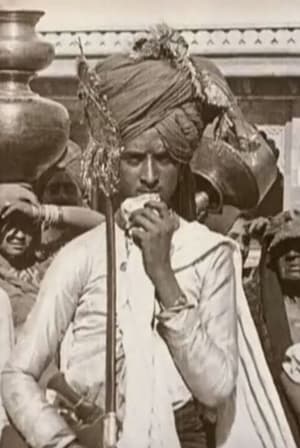
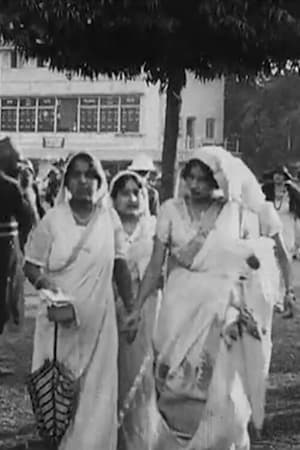
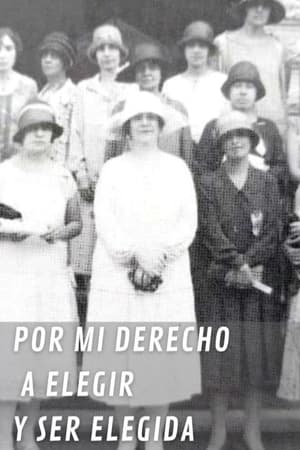
The Untold Story of the Suffragists of Newfoundland (1999) is a docu-drama celebrating the thirty year struggle by the women of Newfoundland to win the right to vote.
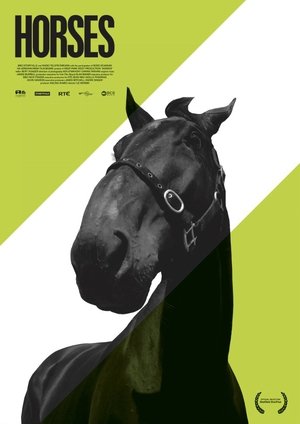
This short film focuses on how racehorses are trained.
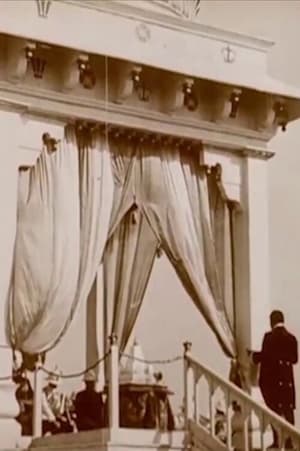
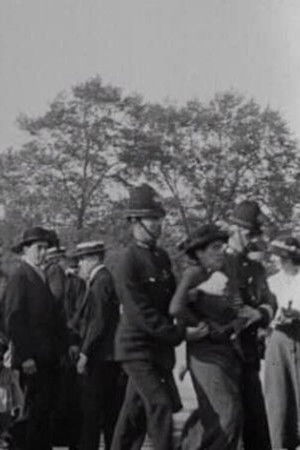
A stationary camera, looking diagonally across a racetrack toward the infield, records the horses as they race past. Once they are out of view and the race is over, police officers run onto the infield. The crowd moves around.
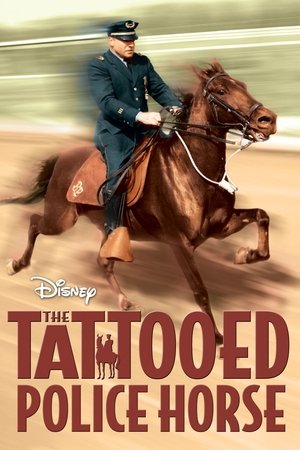
Barred from racing for breaking stride, a trotting horse finds a new career as a police officer's mount in Boston.
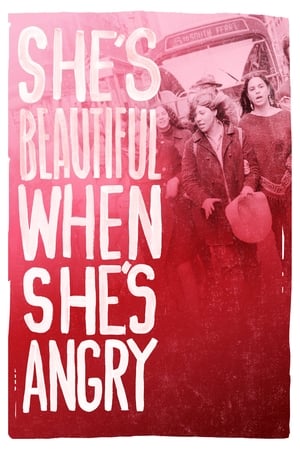
A documentary that resurrects the buried history of the outrageous, often brilliant women who founded the modern women's movement from 1966 to 1971.
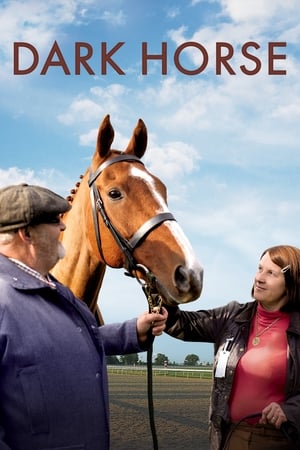
The larger than life true story of how a barmaid in a poor Welsh mining village convinces some of her fellow residents to pool their resources to compete in the "sport of kings" with a racehorse they would breed and raise.
Comedian and presenter Lloyd Griffith embarks on an experiment to find out if he can uncover the secrets of gambling success and in the process learn the truth about how the industry operates.
Oscar-winning actress Susan Sarandon narrates this educational installment of the popular "American Experience" series as it examines the 72-year struggle for a woman's right to vote. Segments focus on influential figures in the women's suffrage movement, including Elizabeth Cady Stanton and Alice Paul; the country's widespread fear of social revolution; and the U.S. Senate's passage of the 19th Amendment by a single vote.
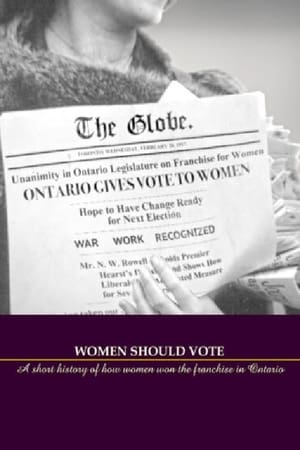
The documentary follows the activism of prominent suffragists such as Emily Stowe, as they struggled for an equal say in their own future. These women formed associations, petitioned the Ontario Legislature, wrote essays, and held satirical events to achieve their goals of equal rights for women. It is a celebration of the 100th anniversary of women’s suffrage in Ontario.
Penthesilea, the first of six films made by Laura Mulvey and Peter Wollen, traverses thousands of years to look at the image of the Amazonian woman in myth. It asks, among other questions, is the Amazonian woman a rare strong female image or is she a figure derived from male phantasy? The film explores the complexities of such questions, but does not seek any concrete answers.
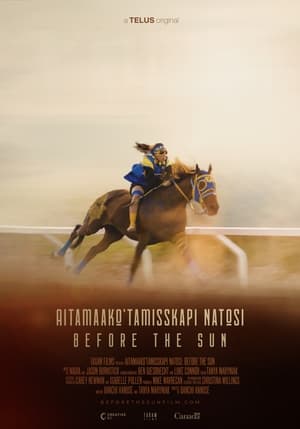
An intimate and thrilling portrait of a young Siksika woman and the deep bonds between her father and family in the golden plains of Blackfoot Territory as she prepares for one of the most dangerous horse races in the world… bareback.
Raise Her Up follows the historian, advocate, and artist creating a statue of Armine Gosling, marking 100 years of womens suffrage in Newfoundland.
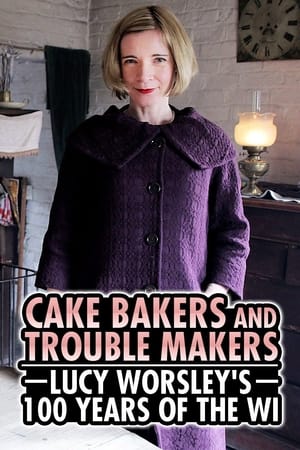
Documentary to mark the WI's centenary. Lucy Worsley goes beyond the stereotypes of jam and Jerusalem to reveal the surprisingly radical side of this Great British institution.
The story of the struggle for the women's vote is much more than just the account of the exploits of Emmeline Pankhurst or the tragic fate of Emily Davidson. Lucy Worsley puts herself at the heart of the drama, alongside a group of astonishing young working class suffragettes who decided to go against every rule and expectation that British Edwardian society (1901-1910) had about them…
They were, at best mocked or ridiculed, at worst incarcerated, tortured, or even beheaded. But they would not be deterred. For decades ten thousands of women in Germany, Great Britain, in France, the U.S. and many other countries fought for their right to vote. Some used the institutions, others turned into media savvy politicians, and still others turned to terrorism, went on hunger strike, or died as martyrs. 100 years later we tell a multi-perspective and emotional story of the international fight, against all odds, for women’s suffrage as an important step towards equal rights.
Focusing on the sport of chuckwagon racing at the Calgary Stampede, captured through a mix of aerial, POV, and ringside footage, the film is ahead of its time in the way it captures adrenaline-pumping action. This short documentary offers a ringside view of the chuckwagon race, star attraction of the world-famous Calgary Stampede. Once ponderous Percheron and Clydesdale draught thundered around the course. Now they are racers, and it takes a firm hand to guide such horsepower.
11 JUNE 2013 is one hundred years since Norwegian women got full voting rights on an equal basis with men. Norway was among the first countries in the world to introduce universal suffrage for both women and men. The work for universal suffrage for women went on for many years and was an issue that many people got involved in. The Voting Rights Committee has chosen to highlight four women who played a decisive role in the suffrage issue.
As the carrier of a nation's hopes, there is a lot riding on Overdose. The successes of Hungary's premier racehorse have provided welcome relief from a decades-long legacy of fiscal austerity. But with Big Business cashing in on this symbol of optimism, the horse soon becomes a pawn in a game of egos and politics.
In June of 1999 an unlikely chestnut colt named Charismatic, with jockey Chris Antley aboard, headed down the stretch at the Belmont Stakes with the hope of becoming the first Triple Crown winner in nearly 21 years.
The phrase "Born Sexy Yesterday" is derived from the 1950 film "Born Yesterday." However beneath this superficial portrayal of some women lies a more complex understanding , revealing deeper narratives that resonate with many. October 1, 1985. The chilling emptiness in Michele Avila's eyes. Her murder, a savage ballet of teenage fury, ripped through the town, festering wounds exposing the venomous underbelly of a seemingly innocent friendship. Jealousy, a serpent coiled in the heart of adolescence, struck with the force of a viper, revealing the terrifying depths of envy's reach. These weren't just girls; they were predators. Women are born with many layers, a mix between good and evil. Ironically of all the positive tropes that can validate the existence of women, why is it that "Born Sexy Yesterday" is a trope that resonates with our male counterparts the most?