Jacqueline Floriot is driven from her home by her husband Louis, a deputy attorney of Paris, because of his unjust suspicions regarding her relations with another man. Floriot forbids Jacqueline to see her baby boy, who is dangerously ill, and when informed that the boy believes her dead, she attempts suicide.
A father who despises his daughter, a boyfriend who refuses to marry the girl he knocked up, and a mother caught in the middle.
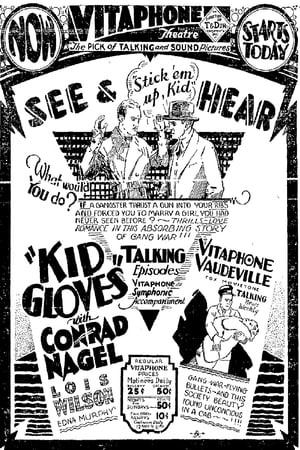
When a taxi carrying socialite Ruth Darrow drives into the middle of a gun battle between hijacker Kid Gloves and a trio of bootleggers, Ruth is injured. She is taken to a nearby apartment, and The Kid helps to care for her. John Stone, Ruth's fiance and a bootlegger with a respectable front, finds them together and blackmails The Kid into marrying the girl.
A woman with a taste for expensive clothing has four nightmares. An impoverished disabled girl sells her hair, a trapper finds he has an unfaithful wife, the wife of a dying weaver finds she cannot work the loom, and a model harassed by her boss is driven to murder.
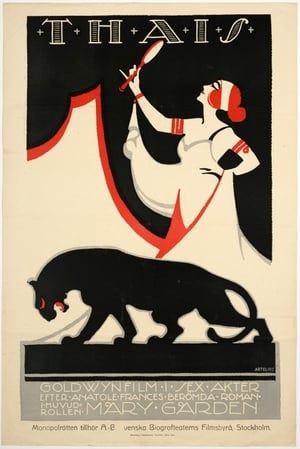
The wanton dancer Thais, tries to entice Paphnutius from becoming a monk but fails. He later returns to reclaim her soul and follow in his footsteps. They attempt to live lives of simplicity, but the pull of worldliness is too strong.
Bob Reynolds, a construction engineer, is constructing a dam. Finding himself in financial trouble, he is persuaded by John Brand to use a cheaper--but far inferior--cement to replace the cement he's been using. Brand, who is determined to ruin Reynolds, then talks him into buying worthless stock. Finding himself in desperate straits, Reynolds forges a check using Brand's name. Unfortunately the finished dam breaks and many people are killed. Under suspicion by the authorities, Reynolds desperate searches for a way out of his worsening situation.
A deputy marshal rounds up the bad guys and gets the girl.
American silent drama film following an early Vitagraph leading man and matinee idol. Prints of the film are held at the Library of Congress and George Eastman House Motion Picture Collection.
To spite her fiancé, who claims to know how to handle women, Rosamond engages in reckless behavior, including racing cars and getting arrested. Climax: After surviving a car crash, she is captured by criminals but eventually rescued, leading to her submissive reform.
Rich but frivolous, Cynthia and John Karslake obscure their love for each other by their constant quarreling. Cynthia grows jealous of her husband when, one day at the races, she notices Vida Phillimore, a recent divorcée, flirting with him. Using this incident to inflame all her other petty grievances, Cynthia ends up in divorce court presided over by Vida's ex-husband, Judge Phillip Phillimore.
Ted Vandeveer, a lawyer without clients, receives notice that he has been included in his rich uncle's will, he and his partner, James Sweeney, are excited, then they find that Ted's cousin Archie inherited nearly everything. With the $700 left after paying their creditors, Ted and James go to a fashionable resort, where the hotel clerk mistakenly puts them in the exclusive suite reserved for Archie. Passing for a wealthy man, Ted attracts many eligible girls, among them Mildred Niles, the daughter of a wealthy broker.
Businessman John Lawson is seriously injured in an accident, his wife Ruth travels from their New England village to New York to find a job that will support them both. Ruth works in a sweatshop at first, but then makes it big on Broadway.
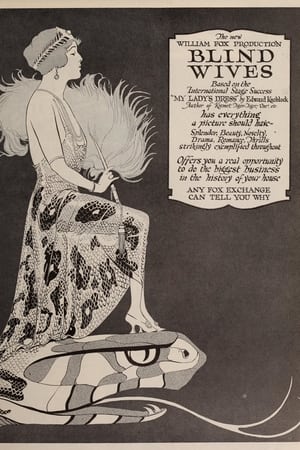
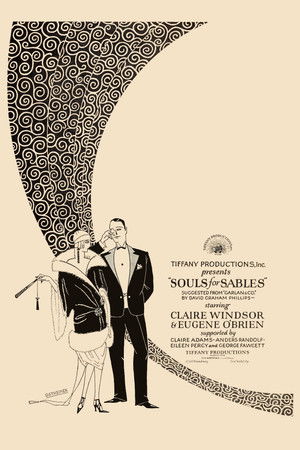
A lonely wife becomes obsessed with furs and keeps bad company in an effort to obtain more.
A crooked lawyer sells his car.
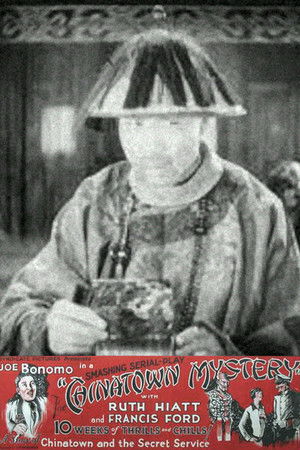
Restored by the George Eastman House in 2001, this 1928 serial was considered a “last hurrah” for the silent-era serial, and brought together some of the biggest names of the era: director J.P. McGowan, actors Francis Ford and Joe Bonomo (a carnival strongman-turned-actor), producer Trem Carr (who would later help found Monogram Pictures), and a slew of silent-era supporting icons such as Ruth Hiatt, Grace Cunard, and more. Chapter names like “The Clutching Claw,” “The Devil’s Dice, “Galloping Fury,” and “The Invisible Hand” offer all one needs to know of the film’s concerns: to promise and deliver as much action and suspense as possible, and move our intrepid hero and heroine from one perilous situation to another. One of the biggest stars of the early silent era and a successful serials director in his own right, Francis Ford was the brother of director John Ford.
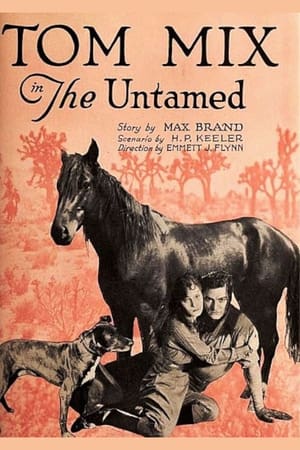
A cowpuncher by the name of Whistling Dan is adopted by a rancher, Joe Cumberland (James O. Barrows). His daughter, Kate is immediately attracted to Dan, but Cumberland discourages the union since he thinks the young man is too wild for her.
Young Jim takes over from his father, political boss Jim Gordon Sr. As ruthless and unfeeling as his dad, Young Jim blocks the efforts by a crusading newspaper to bring about reforms in the city's tenement district. But he comes to regret his intransigence when his father is ruined financially.
When Mary’s father refuses to let her attend a prize fight because he thinks it’s undignified for a young lady, she disguises herself in her brother's clothes, which sets in motion a series of misunderstandings that almost wreck a marriage and land Mary in jail — but all works out in the end!
Early silent screen leading man Roy Stewart played a dual-role in this independently produced "Northwestern" about identical twins, separated at birth, who grow up on opposite sides of the law.
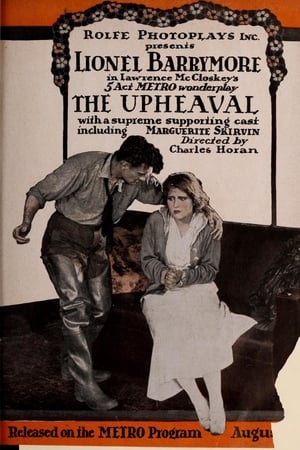
An honest worker, John Whitney, finds himself unemployed and unable to provide for his family. Desperate, he robs a rich man's home and is arrested. One of the police officers is an old friend and accompanies Whitney home to allow a farewell with his wife. Humiliated, Whitney decides to kill himself and his family. The rich man learns of his desperate situation and arrives in time to save the family and drops the charges.