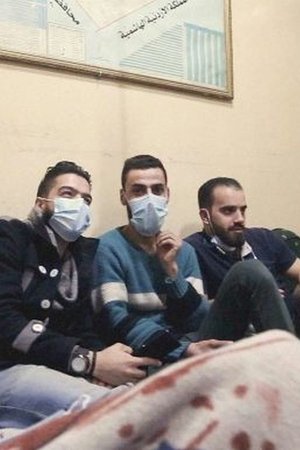
"With the barrel bombs falling on Ghouta, civilians sought shelter in the basements of their homes. I was one of them, holding on to my camera, I tried to film what I couldn’t express in words."
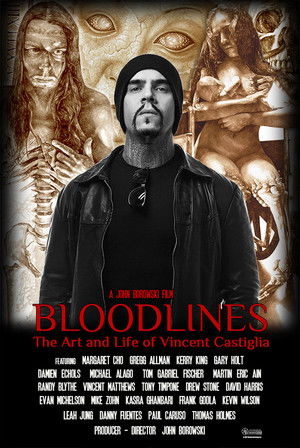
Vincent Castiglia paints in human blood.
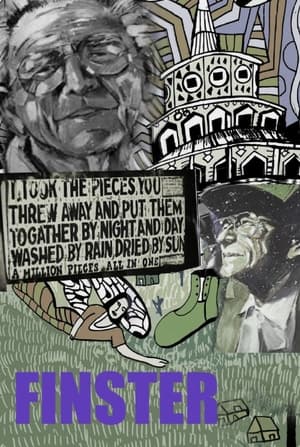
Howard Finster, the grandfather of the Southern Folk Art movement was a pioneer that showed the world that Art can thrive outside of museums and galleries in ordinary places and in everyday objects. He took what others might deem trash or obsolete and turned it into something contemplative. He opened Paradise Garden for the world to enjoy, a true testament that Art comes to life, when people are able to interact with it. Howard Finster showed the world that objects surrounding us can take on a new life, in a sometimes-magical way, and communicate messages that can lead to transformation.
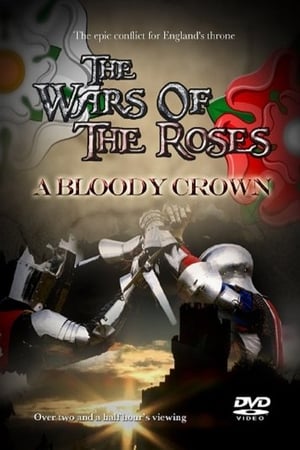
Using historically-accurate, battle-filled re-enactments and interviews with expert historians and noted authors, this two-part documentary series brings to vivid life the captivating true stories behind Britain's bloody civil wars.
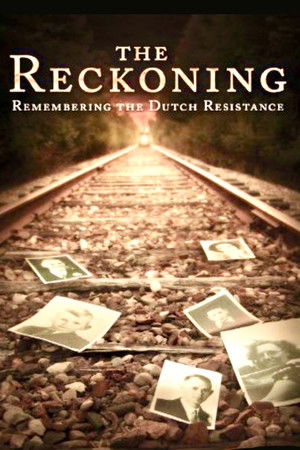
The documentary that captures the compelling story and eyewitness account of six survivors in war-torn Netherlands during World War II.
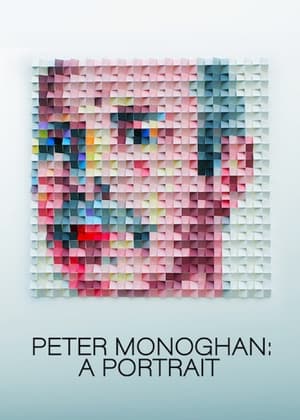
This documentary features a kinetic artist who creates vibrant mixed media works that push the boundary between 2D and 3D.
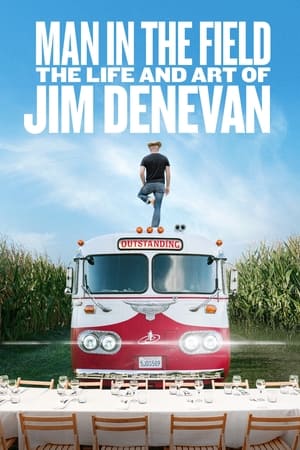
In this graceful study of the balance between solitude and community, artist and chef Jim Denevan roams across the US, transforming landscapes into breathtaking, sustainable dining experiences framed by ephemeral installation art.
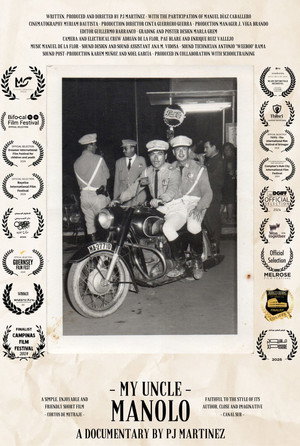
Focused on the experiences of Manuel "Manolo" Díaz Caballero, who was a local police officer in Malaga for more than 30 years, his memories of those years are the subject of this documentary.
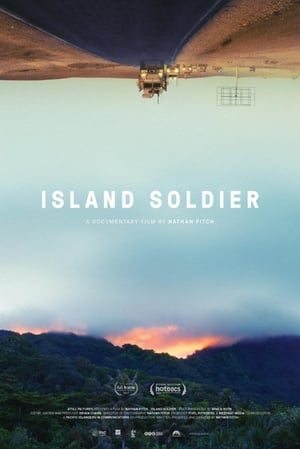
The untold story of Micronesian citizens fighting America's wars. Through the personal odyssey of the Nenas, one family experiences the consequences of military service, as they represent a pristine Pacific island on the brink of economic collapse.
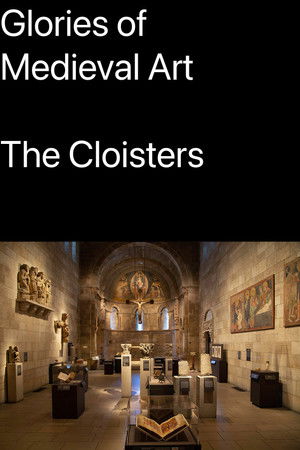
Philippe de Montebello, Director of The Metropolitan Museum of Art from 1977 to 2008, guides viewers through The Cloisters, pointing out Romanesque and Gothic architecture and artwork, beautiful tapestries, and the diverse species in the gardens. He outlines the history of the building and it's many influences and highlights significant works of art in the collection. It was produced in 1989 by The Metropolitan Museum of Art's Office of Film and Television.
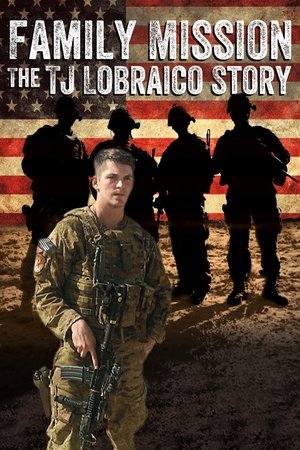
Family Mission is a feature documentary based on the life of TJ Lobraico, a USAF Staff Sergeant from Connecticut who gave his life for his country in Afghanistan in 2013. TJ's mother, father and step-father also served in the Air Force, and the film explores the history and dynamics of these brave Americans who consider service to others a family mission.
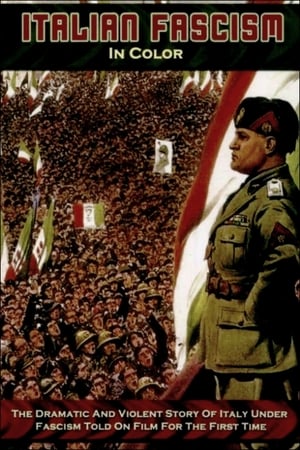
After the World War I, Mussolini's perspective on life is severely altered; once a willful socialist reformer, now obsessed with the idea of power, he founds the National Fascist Party in 1921 and assumes political power in 1922, becoming the Duce, dictator of Italy. His success encourages Hitler to take power in Germany in 1933, opening the dark road to World War II. (Originally released as a two-part miniseries. Includes colorized archival footage.)
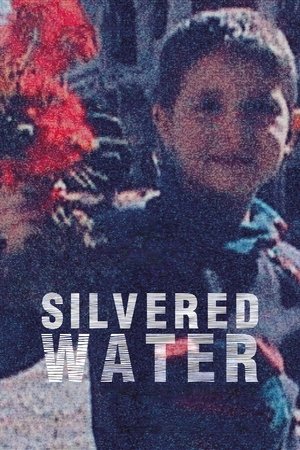
Shot by a reported “1,001 Syrians” according to the filmmakers, SILVERED WATER, SYRIA SELF-PORTRAIT impressionistically documents the destruction and atrocities of the civil war through a combination of eye-witness accounts shot on mobile phones and posted to the internet, and footage shot by Bedirxan during the siege of Homs. Bedirxan, an elementary school teacher in Homs, had contacted Mohammed online to ask him what he would film, if he was there. Mohammed, working in forced exile in Paris, is tormented by feelings of cowardice as he witnesses the horrors from afar, and the self-reflexive film also chronicles how he is haunted in his dreams by a Syrian boy once shot to death for snatching his camera on the street.
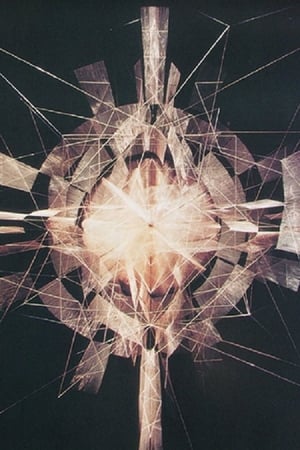
Documentary examining the work of sculptor Richard Lippold, particular his sculpture of the sun at the Metropolitan Museum of Art.
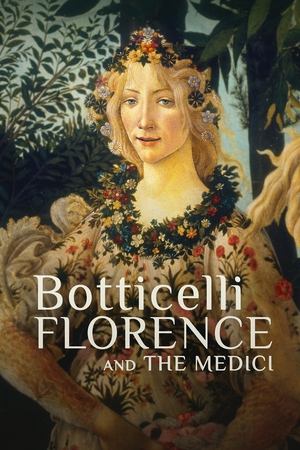
Documentary on the art and culture of Florence in 15th century Tuscany and, in particular, the work of Eary Ranaissance painter Sandro Botticelli (1445-1501).
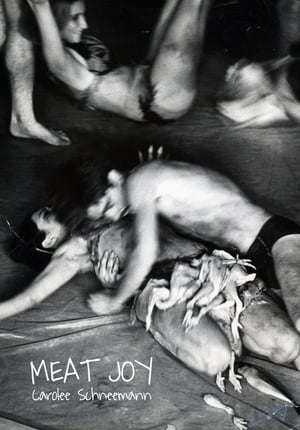
"Meat Joy is an erotic rite — excessive, indulgent, a celebration of flesh as material: raw fish, chicken, sausages, wet paint, transparent plastic, ropes, brushes, paper scrap. Its propulsion is towards the ecstatic — shifting and turning among tenderness, wildness, precision, abandon; qualities that could at any moment be sensual, comic, joyous, repellent. Physical equivalences are enacted as a psychic imagistic stream, in which the layered elements mesh and gain intensity by the energy complement of the audience. The original performances became notorious and introduced a vision of the 'sacred erotic.' This video was converted from original film footage of three 1964 performances of Meat Joy at its first staged performance at the Festival de la Libre Expression, Paris, Dennison Hall, London, and Judson Church, New York City."
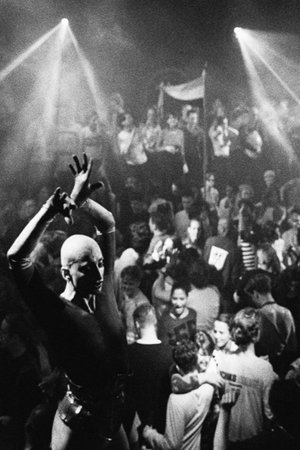
About the art explosion in Amsterdam during the 1980's when artists of all sorts found spaces and places and the legendary club RoXY (1987-1999) was created.
Rezonancia
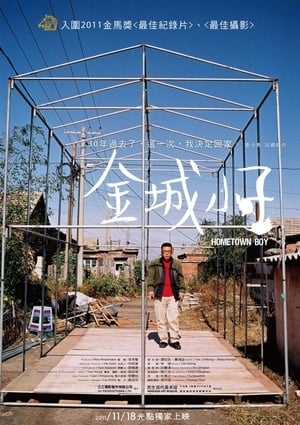
One of the best-known Chinese figurative painters, Liu Xiaodong goes back to his hometown of Jincheng, in the province of Liaoning (North-East China), to re-paint again friends and relatives after several years have gone by. With a soundtrack by famed composer Lim Giong (Millennium Mambo, The Assassin).
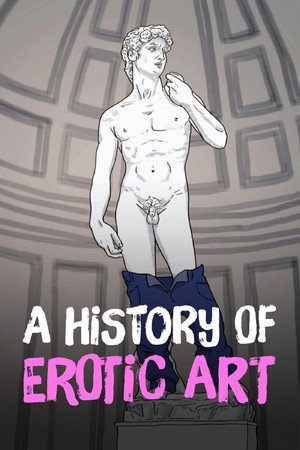
The people of Antiquity had little problem with nudity and would not find graphic depictions of sexual acts as morally suspect or obscene. But Christianity changed perspectives, bringing in notions of shame and the negation of the body. This documentary looks at the erotic in art over the last two thousand years.