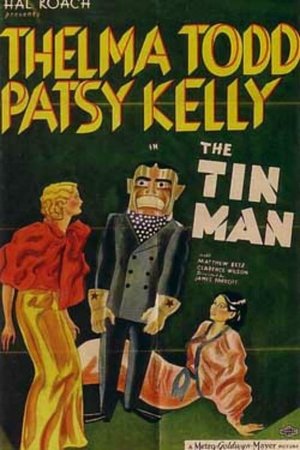
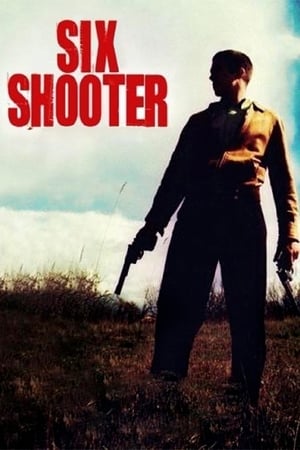
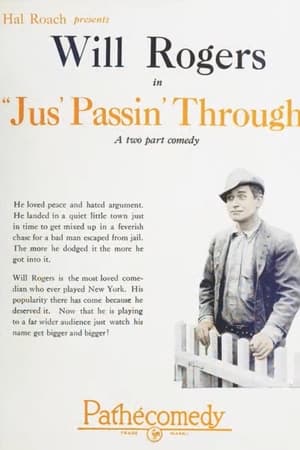
Thelma and Patsy find themselves in a spooky house inhabited by a nut who is a mechanical genius and has made a robot who does everything. The inventor manipulates the robot's control board from a hidden room. The girls are soon in a panic. Patsy gets into an argument with the robot and loses the match of wits. Blackie Burke, an escaped convict, is using the house as a hideout, and this adds to the problems the girls already have.
A doctor must remove a parasite infestation from within a patient's breast.
One of the two earliest horror films ever made. This film is presumed lost.
One of the two earliest horror films ever made. This film is presumed lost. In this black comedy scene, the bottom falls out of a coffin, the corpse tumble out, and is jolted back to life. Short sequences like this, as well as street scenes and dancing geisha girls were the main subjects of early Nippon cinema, pioneered by Shiro Asano and Shibata Tsunekichi from 1897 onwards. In creating dramatic, scenes, film-makers naturally chose the most striking or bizarre. Another undocumented film, recalled by cameraman Shiro Asano.
An Italian referee demoted and exiled to the remote island of Sardinia finds out what it takes to handle a real match
La Guerre des Romands
With script and direction by Pablo Villaça and starring the comedian Geraldo Magela, Morte Cega has as main character a failed filmmaker named Francis (Maurício Canguçu, producer and one of the main actors of the theatrical success "Believe, a Spirit Downloaded Me"). One night, Francis has a frightening dream about Magela, known throughout the country for playing the character O Ceguinho. Determined to make a short film based on this dream, Francis uses his producer friend, Martinho (Carlos Magno Ribeiro, who acted in Villaça's first short, A_ética), to get to the comedian. From then on, the meeting brings unexpected results for everyone involved.
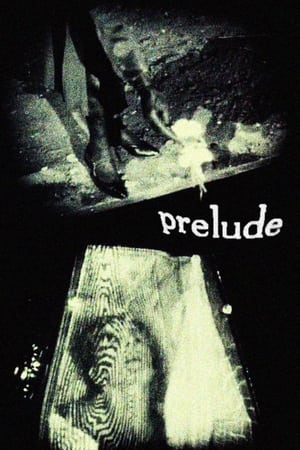
A man listening to Rachmoninoff's 'Prelude' dreams he is the victim of premature burial.
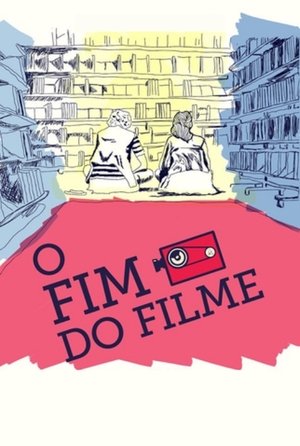
João Lucas works at a video store and always ends up revealing the ending of films to customers. After being approached by a girl who always rents the same movie, the two eccentric characters start to argue about the true meaning of the plot and attract each other through their passion for cinema.
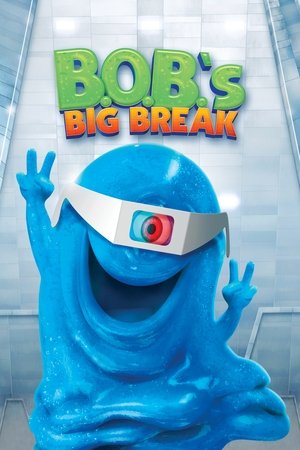
Dr. Cockroach comes up with a brilliant plan to break themselves out of Area 52 – but to implement the plan, he has to trick B.O.B. into thinking it’s his birthday.
Overwhelmed by grief following the death of his wife, Donnelly shares a train carriage home with a troubled young man identified only as the 'Kid'. As the Kid becomes more agitated and foul-mouthed, the journey takes on a violent and dangerous hue – for the bereaved Donnelly and for other hapless passengers on the train. Academy Award Winner: Best Live Action Short Film – 2005
Kick the Cock is an old Dutch saying, meaning Peek in the Kitchen.
During a game of hide and seek, a new bride hides in a chest and remains undiscovered until a strange visitation thirty years later.
A sinister montage intimates the hellish void facing a man emptying bottles by the river. Sandy Fisher’s densely reverberating electronic score provides strong support for Lloyd Williams’ cultic collage of skulls, chess boards and fire.
At Thanksgiving, a tramp arrives in a homeless-hostile town.
My Aunt, My Cousin
Rigadin and his rival use camera/projector systems to reach their objectives.
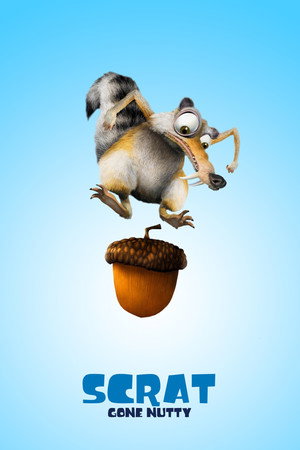
Scrat tries to finish his rather large collection of acorns when things start going nutty.
It's Christmas time, and a grandmother spends a quiet afternoon tending to the family chores. But the arrival of an unexpected visitor brings with her some deadly consequences.
A reel of the Noh drama Momiji-gari, in which Danjuro Ichikawa played opposite Onoe Kikugoro V as an ogress who has disguised herself as the Princess Sarashina. Filmed by Shibata Tsunekichi in the open air on a windy day in November 1899, Danjuro would allow only the one take, so that when his fan blew away in mid-performance the scene had to stay. The film re-emerged at the Kikikan theatre in 1907 where it was a great success and inspired a wave of fiction filmmaking based on traditional Japanese narratives.