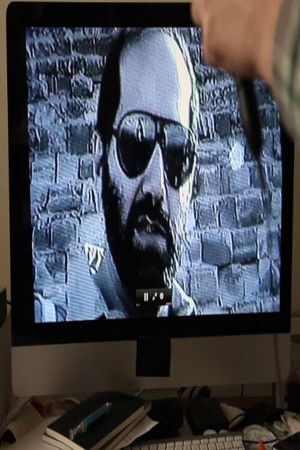
Writing late becomes usual, we are always too late. Boris was my alter ego and I was his alter ego. Now that he is no longer here, I can be honest.
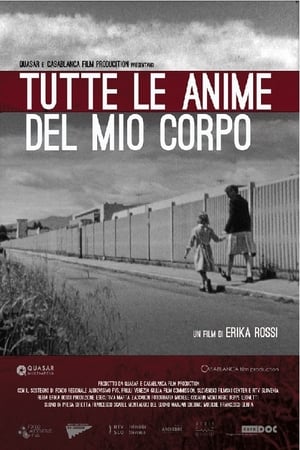
After the passing of her mother, Lorena finds the diary that she kept all her life. The entries allow her to discover a different woman. Having grown up in the worship of her father who fought as a partisan during the war, Lorena realises that she must start digging in the secret story of her mother if she wants to understand aspects of her own life. The pages of the diary feel like a book from another time. Working as a nurse, her mother was covertly working for the partisans passing them intelligence that she astutely acquired from wounded German soldiers by administering more morphine than usually required to ease the pain.
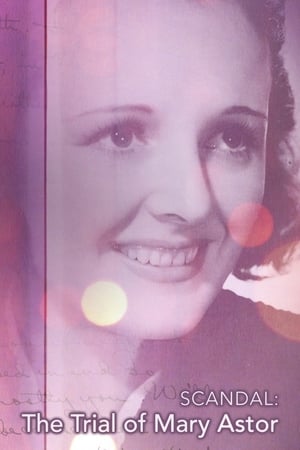
This documentary recounts the difficult choice actress Mary Astor had to make after learning her personal, very intimate, diaries had been stolen. The film tells the story of Astor's 1936 child custody case.
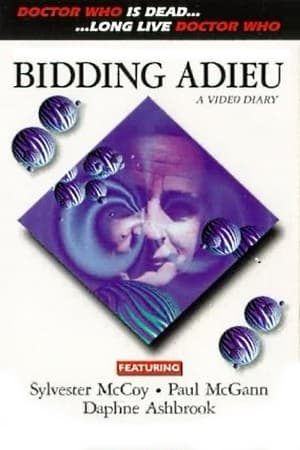
In January 1996 filming began on a new episode of Doctor Who set in San Francisco, but shot in Vancouver, Canada. Sylvester McCoy flew out to join the production team to re-create his role as the Seventh Doctor and to hand over to Paul McGann. In this behind-the-scenes video diary, Sylvester gives us a personal account of his final days as the famous Timelord. Reminiscing about the "old days" and drawing comparisons with the experience of working on this latest adventure, he talks to Paul McGann, Daphne Ashbrook (Dr Grace Holloway) from the new production and Anneke Wills (Polly) from the show's past. All shot on Hi-8 camcorder.
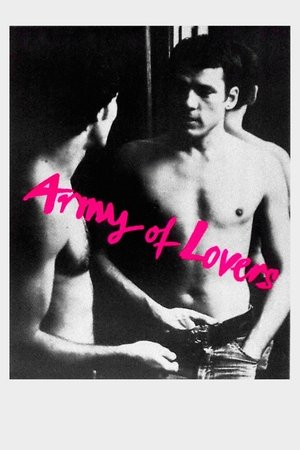
Personal diary-style documentary of German Gay rights activist Von Praunheim's sojourn in the US.
Diário da Pandemia
In this video series an individual confronts fears and, through the process of confessing directly to the camera, transcends trauma. It is also about agin, longing, the delusions and misconceptions we are encumbered with as we mature towards self-awareness, and the masks we assume to deny or hide understanding. The tapes rupture, fracture, and use digital effects to mirror the psychological changes of the protagonist.
A look at past diary entries reveals a teenage girl's struggles with body image and depression
While Andrés searches for old movies in Mozambique, he feels haunted by ominous premonitions, anticipating bad news coming from Venezuela, his country, where his father is gravely ill.
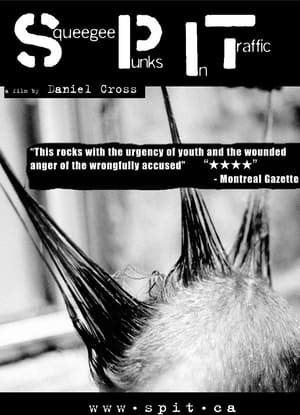
We follow Roach, a 17-year-old ex-junkie and squeegee punk living on the streets of Toronto and Montreal. As part of the filmmaking process, he's been given a camera to document his world. The footage he gets is urgent, because there's a war against squeegee kids. This documentary is from the point of view of the kids themselves, in order to provide alternative voices. Roach's camera is positioned behind "enemy" lines: living in derelict buildings, squeegeeing for money, being hunted by police.
One neighborhood in New York City, March 2020: the coronavirus is spreading rapidly, the federal government is clueless, and life seems increasingly surreal. A month later, the city has become an epicenter of the pandemic as the death rate spirals upwards. Then the racial justice protests erupt... Strange Days Diary NYC is an intimate account of living through a disruptive, frightening, yet inspiring time.
Follows the story of the beloved and internationally acclaimed Swedish actress Lena Nyman, based on 17 paper bags with diaries that she left behind.
"Art was an important factor of my childhood, where I would spend time watching mama, through the threads. Today I am back in Iceland, watching her again - this time through the camera. We have not lived under the same roof since I was a teenager. I am 35, without children and a strong desire to make a film about her. Mum is not interested in being filmed. The film does not only deal with a mother - daughter relationship, but also a filmmaker and a subject with their own will." Salóme is Yrsa´s first documentary after finishing her master in creative documentary at Pompeu Fabra, iDEC, Barcelona.
The end of World War II brings Europe a new political system, reshapes national and personal identities. Three women from Milan, Paris and Berlin report on the days of liberation in their diaries. Their personal stories expand the historical picture and make LIBERATION DIARIES a chronicle of female self-empowerment, resistance and resilience.
One evening, finding my family's old camera, I asked myself why I had been filming my whole life since I was a child.
After the making of my previous film (PLAY DEAD!), some unfinished business remained on my desktop. Home movies and various body horror films from my childhood cluttered my computer screen. Part medical treatise, part self-anamnesis, and a mashup tinged with nostalgia, this video essay returns the images emanating from my computer screen to the everyday gaze of a diabetic.
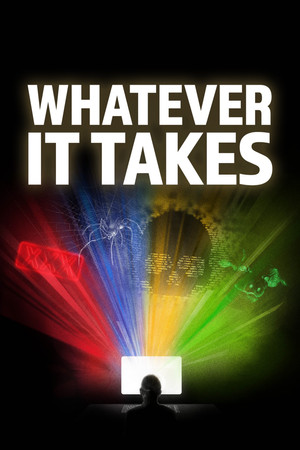
In the summer of 2019, a middle-aged couple are subjected to cyberstalking threats and bizarre deliveries including a bloody pig mask and funeral wreath. As the harassment intensifies, the police and FBI close in on a Silicon Valley giant and some very unlikely suspects. "Whatever It Takes" tells the extraordinary story of eBay, a Fortune 500 company founded on the principle that "people are basically good”, and how members of their security team ended up in federal prison after trying to protect the CEO from a corporate raider.
Lies are just another way of telling the truth. The desire to believe is the hand of the man hanging from a cliff and clinging to the only stone that would seem to save him. But he always ends up falling because the stone is a mirage, just as the cliff is. Death is awakening from this dream in which the essential can be said and in which the continuous and infinite has a beginning, an end and a meaning.
One woman and her family trek the broken mental health system in an effort to save her brother as he descends into madness. Beginning as a testimony of his sanity, his iPhone video diary ultimately becomes an unfiltered look at the mind of an untreated schizophrenic.
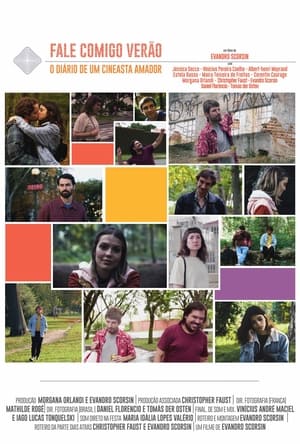
For years, together with his partners from the production company O Quadro, he has been betting on cinema as a tool to explore the typical issues of youth. In this film, Evandro Scorsin turns the cameras on himself as he deals with the dilemmas of the passing of time and the imposition of adulthood. In an exercise in autofiction where cinema and life merge, the film is also a cinematic love letter to the beloved masters (especially Nicholas Ray). Coming and going between two countries and times, it records the vertigo of displacement and the reinventions inherent to an immigrant experience.