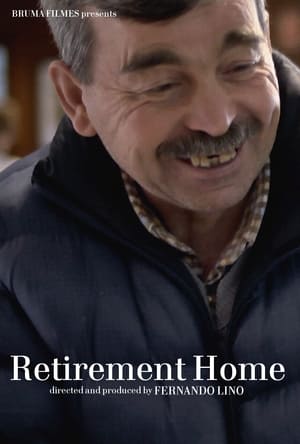
A group of elders spends their weekdays in a retirement home in Sandim, in the north of Portugal, where they talk, do arts and crafts, practice yoga and pray. We follow them between October 2012 and March 2013, when an economic crisis overshadowed Portuguese society and unemployment rates reached record levels. Meanwhile, arrangements are made for the Carnival ball. Will they bring the first place home this time?
A thrilling comedic documentary attempting to uncover the mystery of who is responsible for one of the most infamous bloopers in cinematic history.
Ojo de Mujer is a documentary that features four Nicaraguan women filmmakers, whose testimonies allows us to learn about their begginings and how they have contributed to building a collective memory within their communities, leaving lasting roots for future generations of filmmakers in the country.
Cinéastes de notre temps : Norman McLaren
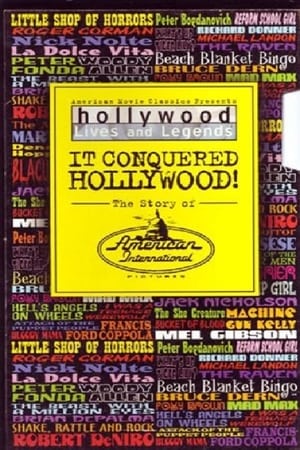
A 60-minute salute to American International Pictures. Entertainment lawyer Samuel Z. Arkoff founded AIP (then called American Releasing Corporation) on a $3000 loan in 1954 with his partner, James H. Nicholson, a former West Coast exhibitor and distributor. The company made its mark by targeting teenagers with quickly produced films that exploited subjects mainstream films were reluctant to tackle.
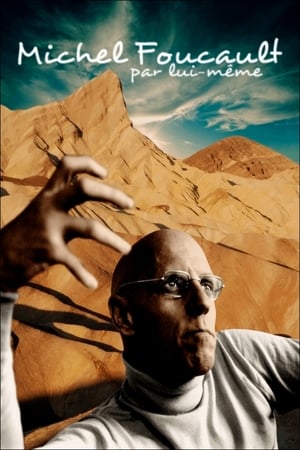
A voyage to the center of the thought of Michel Foucault (1926-1984), a tireless explorer of the margins, a brilliant and atypical thinker, through excerpts from his books and lectures, and the use of images that resonate with them.
Visconti: La verdad del melodrama
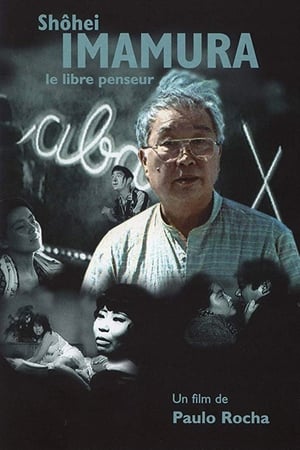
Documentary about Japanese film director Shohei Imamura.
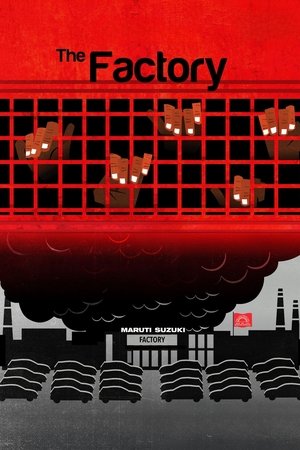
This documentary film traces the struggle of Indian auto workers of the Maruti Suzuki factory in Manesar, near Delhi, in forming a union. Investigating the underbelly of class conflict and exposing a widespread system of injustice, the film focuses on the repression faced by the workers and their criminal prosecution.
The Executive Empress explores the entrepreneurial lives of several Florida women, who have turned their unique passions into successful businesses.
When Sarah accidentally proposes to her girlfriend in Provincetown, the mixup turns their loving relationship into a minefield of marital exploration.
The 1905 law proclaiming the separation of church and state is 120 years old. This law affirms freedom of conscience and religious freedom. It is considered the founding text of secularism. Secularism is the subject of endless controversy and debate.
An experiment and a dialogue about recording, the act of filming and the colors available to whoever points the camera somewhere.
Documentary filmmaker Renton Hinderer takes a look back at his long relationship with one of his closest friends to understand the paths we choose in life, and how friendship is eternal through it all.
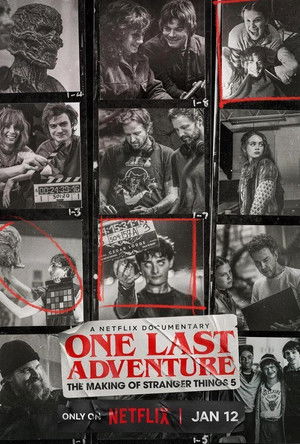
An inside look at the years of effort and craft that went into the final installment of the Duffer Brothers' generation-defining series.
Following the success of Dude, Where's My Bus? (2024), Gio Petti's new documentary The Train to Nowhere shifts focus from buses to rail, centring on the Line 2 expansion of Ottawa’s Light Rail Transit (LRT), a project that many commuters hoped would mark a turning point for transit in the city. The documentary follows Petti as he documents the circumstances surrounding the expansion, the project's transition to a hot-button political issue, and the broader impact on riders who depend on the various systems every day. It also explores themes of retaining optimism and taking charge for change in the transit system in the face of cynicism.
Between 1968 and 1970, J M Goodger, a lecturer at the University of Salford, made a film record of the living conditions in the slums of Ordsall, Salford, which were then in the process of being demolished. Under the title 'The Changing face of Salford', the film was in two parts: 'Life in the slums' and 'Bloody slums'.
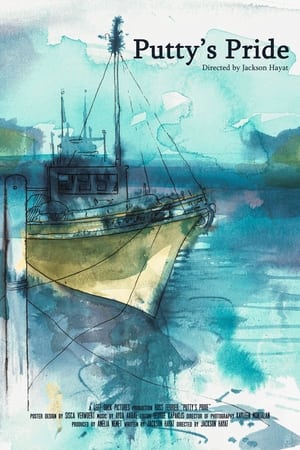
Confronted by retirement, a fourth generation fisherman grapples with the selling of the boat he built with his father.
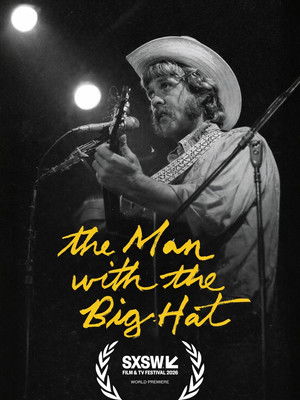
An unsung pioneer of 1970s Texas Progressive Country, Steven Fromholz had a knack for snatching defeat from the jaws of victory. Revered by legends like Willie Nelson, Lyle Lovett & John Denver, he remained commercially unknown. He sought redemption on the Rio Grande as a river guide until a debilitating stroke erased his musical memory, stripping Fromholz of his artistic identity. With an almost obsessive persistence bolstered by newly discovered archives as well as never-before-heard recordings, this intimate and impressionistic portrayal unveils the evolution of Fromholz, and reshapes the notion of success and artistic fortitude.
A look into the world of a record shop