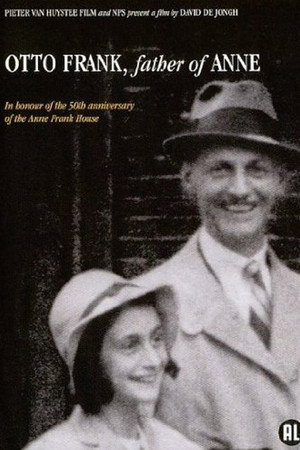
Director David de Jongh represents the life Otto Frank in his documentary Otto Frank, the father of Anne. The film deals with various facets of Otto Frank’s life: his youth in Germany, including his military service during the First World War, his marriage to Edith Holländer and the birth of their daughters Margot and Anne, their flight to the Netherlands, the time in hiding and the deportation to Auschwitz, his life after the Second World War and his dedication to the diary and the ideals of his daughter Anne, and his second marriage to Fritzi Geiringer. The documentary features many photos and film images, as well as interviews, including new ones, with people who knew Otto Frank. His stepdaughter Eva Schloss is one of the interviewees. The film is produced by Pieter van Huystee Film.
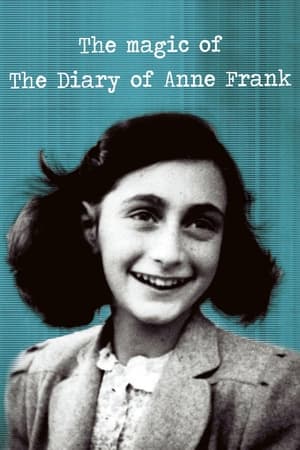
Dutch presenter Astrid Joosten travels the world to find out why Anne Frank's written words in her diary still inspires hope and regardless of own circumstances, works for unity and peace.
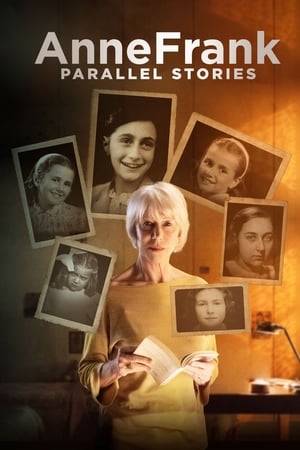
One single Anne Frank moves us more than the countless others who suffered just as she did but whose faces have remained in the shadows-Primo Levi. The Oscar®-winning Helen Mirren will introduce audiences to Anne Frank's story through the words in her diary. The set will be her room in the secret refuge in Amsterdam, reconstructed in every detail by set designers from the Piccolo Theatre in Milan. Anne Frank this year would have been 90 years old. Anne's story is intertwined with that of five Holocaust survivors, teenage girls just like her, with the same ideals, the same desire to live: Arianna Szörenyi, Sarah Lichtsztejn-Montard, Helga Weiss and sisters Andra and Tatiana Bucci. Their testimonies alternate with those of their children and grandchildren.
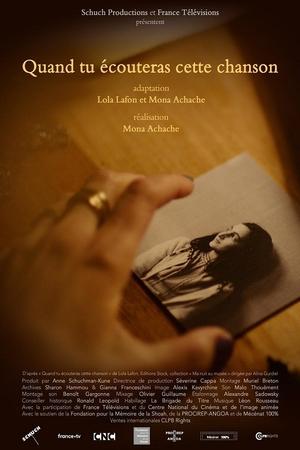
In August 2021, writer Lola Lafon spent a night alone in the Annex of the Anne Frank Museum, where the young girl and her family hid from 1942 to 1944. This experience gave rise to a book, Quand tu écouteras cette chanson, and now its documentary adaptation. Over the course of a night, the author revisits her story. An inner journey around the figure of Anne Frank and the power of writing in the face of oblivion.
Anne Frank, journal d'une adolescente
Scenes from a production of The Diary of Anne Frank are combined with footage of young Palestinians talking candidly about war, first love and topics that Frank wrote about as a teenager.
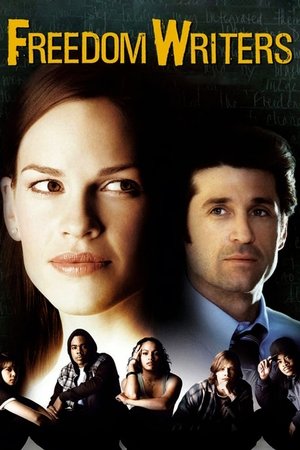
A young teacher inspires her class of at-risk students to learn tolerance, apply themselves, and pursue education beyond high school.
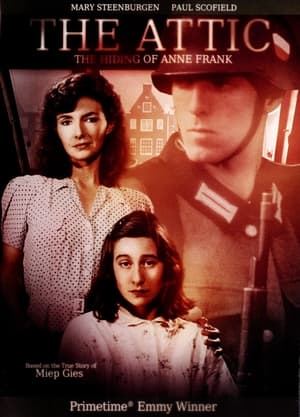
During the Nazi occupation of Amsterdam, Otto Frank decides to hide his family, who are Jewish, after his daughter Margot is called to appear for transport to a Nazi labour camp. Miep Gies, Otto Frank's office assistant hides them in the attic above the office. The film tells the true story of Gies' struggle to keep the family hidden and safe, as the Nazis turn Amsterdam upside-down. Based upon Gies' memoirs and Anne Frank's famous diary.
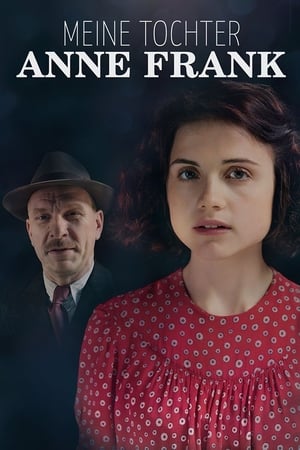
The name Anne Frank stands for courage and confidence in hopeless times. But also for the cheeky and unsparing view of an adolescent on her family and her environment. Millions of people around the world know her diary, she wrote it while hiding from the Nazis. With this docu-drama, the first major German film adaptation of the life story of the Frankfurt girl is now available. The film follows Anne's fate from a happy childhood to hiding in the Secret Annex in Amsterdam to her death in the Bergen-Belsen concentration camp. It focuses on the relationship between father and daughter. Otto Frank was the only one who survived the betrayal of the Secret Annex residents. The most secret thoughts and longings
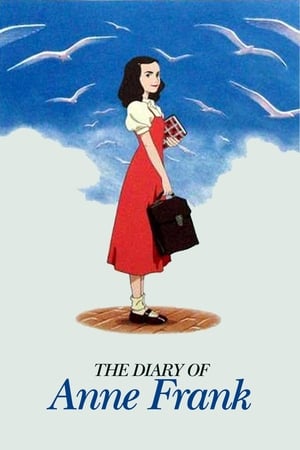
During World War II, a teenage Jewish girl named Anne Frank and her family are forced into hiding in the Nazi-occupied Netherlands.
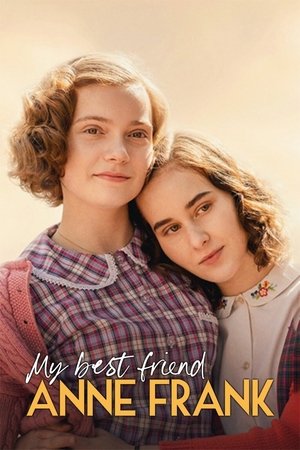
Based on the real-life friendship between Anne Frank and Hannah Goslar, from Nazi-occupied Amsterdam to their harrowing reunion in a concentration camp.
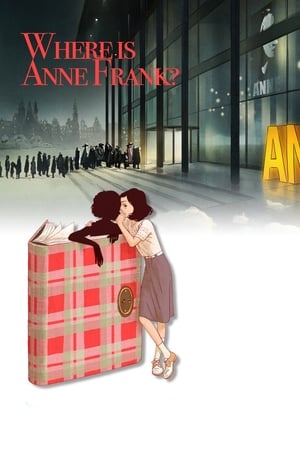
The film follows the journey of Kitty, the imaginary friend to whom Anne Frank dedicated her diary. A fiery teenager, Kitty wakes up in the near future in Anne Frank's house in Amsterdam and embarks on a journey to find Anne, who she believes is still alive, in today's Europe. While the young girl is shocked by the modern world, she also comes across Anne's legacy.
We Gotta Get Out Of Here is a feature length documentary that chronicles the journeys of five youth struggling to beat the odds as they navigate their way out of the foster care system in Los Angeles, California.
The Dragon House portrays the confrontation between tradition and modernity which the Kingdom of Bhutan is currently experiencing. This is done by means of two Bhutanese characters: a young Buddhist monk, heir to the local tradition, and the first disc jockey to dare to play House and Techno music in the small Himalayan kingdom.
Three women in a re-entry house experience the reality of reintegration and attempt to acclimate to life after being released from incarceration and battling addiction.
“Crazy Ex-Girlfriend: Oh My God I Think It’s Over” is a peek behind the curtain as the team behind the award-winning comedy series “Crazy Ex-Girlfriend” wraps up its final season. We watch as co-creators Rachel Bloom and Aline Brosh McKenna and their many talented collaborators steer the show through its final episode. The film highlights their unique process as they juggle writing, songwriting, choreography on a spinning turntable, last minute big ideas and emergencies, and the “impossible task” of creating a smart, feminist, musical comedy show that’s a process unlike any other show ever to air on network TV.
Chronicles the lives of women who perform the stunts in some of Hollywood’s biggest action sequences — from the early days of silent movies to today’s blockbusters.
La Vie du Vieux Palais
This is a documentary of interviews with music journalists and Jam fans, and including clips from the following tracks: Town Called Malice In The City All Around The World The Modern World A Bomb In Wardour Street David Watts Down The Tube Station At Midnight Eton Rifles Going Underground That's Entertainment, ... Plus More
In 1993, the original negatives of Satyajit Ray’s The Apu Trilogy were burned in a massive nitrate fire at a laboratory in London. Even though there were no technologies available at the time capable of fully restoring such badly damaged film elements, the Academy Film Archive held on to them. And now times have changed.