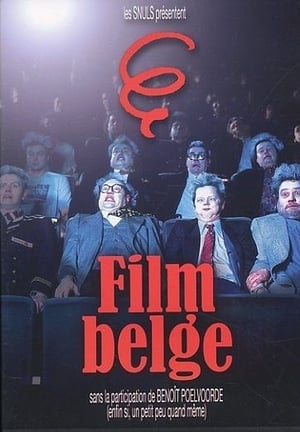
Scene 23, Slow pan The wind whistles over the dykes of the Willebroek Canal. Armand sighs. The viewer should feel goose bumps under their thick sweater. Make it clear that at this moment, Armand is craving a cup of Borain coffee. Scene 456, Armand's farm Armand puts down his coffee cup. Through the window, he sees a beautiful Romanian refugee with AIDS playing the cello in the beet field. Behind Armand, his wife, a former RTBF announcer, commits suicide by hitting herself with hot potatoes. Scene 2,347, sublime landscape of Flanders Armand can't take it anymore: will he choose the position of deputy for the Vlaamse Blok or that of puppeteer subsidized by the CUCF? No one can say.
An Italian referee demoted and exiled to the remote island of Sardinia finds out what it takes to handle a real match
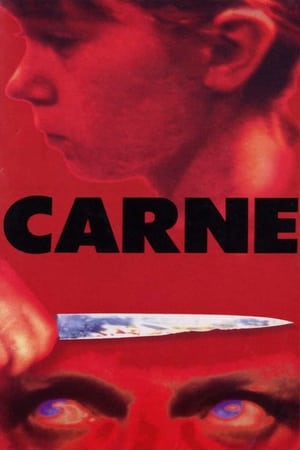
After a dreadful incident coupled with an ungovernable paroxysm of violence, a butcher will fall into a downward spiral that will burn to the ground whatever dignity still remained in him.
Presented as if it were an archive from the beginning of the 20th century, like a Pathé newsreel, this film tells the story of the life of Etienne-Jules Marey, the 19th century pioneer of photography and cinema, famous for studying animal and human locomotion.
Believed to be the first film to feature cannibals.
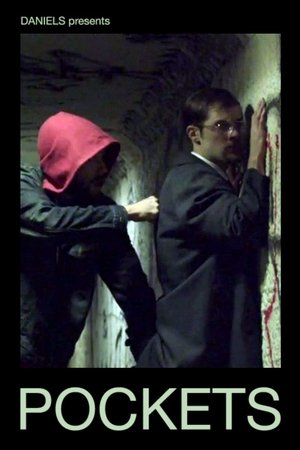
A homeless bum, bored of eating the same food every night, promises his girlfriend a special dinner. He plans to take her out with money robbed from a passing stranger. But the bum’s in for a surprise when the man he targets for his mugging turns out to have special – and hilarious – powers.
A tall, shy and reserved young actor accidentally signs himself up for a wrestling match.
A deer, disillusioned by the consumerism that defines his life. A lizard, ostracized from society, forever wandering. A chance meeting in the middle of a field. Who will survive? And who will transcend existence? Preserved by the Academy Film Archive in 2009.
La Guerre des Romands
With script and direction by Pablo Villaça and starring the comedian Geraldo Magela, Morte Cega has as main character a failed filmmaker named Francis (Maurício Canguçu, producer and one of the main actors of the theatrical success "Believe, a Spirit Downloaded Me"). One night, Francis has a frightening dream about Magela, known throughout the country for playing the character O Ceguinho. Determined to make a short film based on this dream, Francis uses his producer friend, Martinho (Carlos Magno Ribeiro, who acted in Villaça's first short, A_ética), to get to the comedian. From then on, the meeting brings unexpected results for everyone involved.
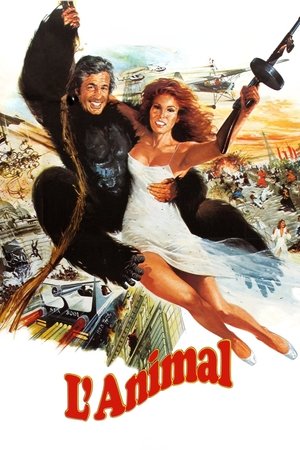
Mike (Jean-Paul Belmondo) is a stuntman who works with his girlfriend Jane (Raquel Welch). On their wedding day Mike and Jane are forced by producers to do a stunt for a film they are working on. Mike, annoyed doesn't look on the road and crashes the car causing them to end up in a hospital. After they come out Jane doesn't want to talk to Mike so he decides to get her a job in a film in which he is a stunt double for his double who is a star in action pictures but is in fact a wimp.
Wrestling legend Bull Montana plays a murderous gorilla with a human brain transplant who is tracked by a feisty newspaper reporter.
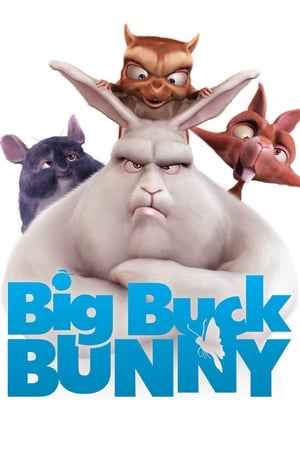
Follow a day of the life of Big Buck Bunny when he meets three bullying rodents: Frank, Rinky, and Gamera. The rodents amuse themselves by harassing helpless creatures by throwing fruits, nuts and rocks at them. After the deaths of two of Bunny's favorite butterflies, and an offensive attack on Bunny himself, Bunny sets aside his gentle nature and orchestrates a complex plan for revenge.
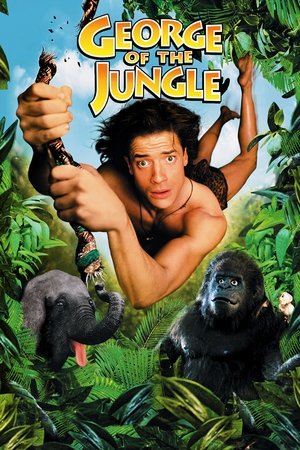
Deep in the African jungle, a baby named George, the sole survivor of a plane crash, is raised by gorillas. George grows up to be a buff and lovable klutz who has a rainforest full of animal friends: Tookie, his big-beaked toucan messenger; Ape, a witty talking gorilla; and Shep, a peanut-loving pooch of an elephant. But when poachers mess with George's pals, the King of Swing swings into action.
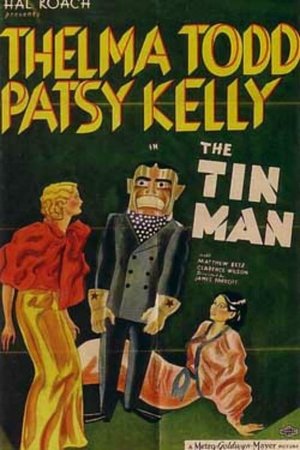
Thelma and Patsy find themselves in a spooky house inhabited by a nut who is a mechanical genius and has made a robot who does everything. The inventor manipulates the robot's control board from a hidden room. The girls are soon in a panic. Patsy gets into an argument with the robot and loses the match of wits. Blackie Burke, an escaped convict, is using the house as a hideout, and this adds to the problems the girls already have.
One of the two earliest horror films ever made. This film is presumed lost. In this black comedy scene, the bottom falls out of a coffin, the corpse tumble out, and is jolted back to life. Short sequences like this, as well as street scenes and dancing geisha girls were the main subjects of early Nippon cinema, pioneered by Shiro Asano and Shibata Tsunekichi from 1897 onwards. In creating dramatic, scenes, film-makers naturally chose the most striking or bizarre. Another undocumented film, recalled by cameraman Shiro Asano.
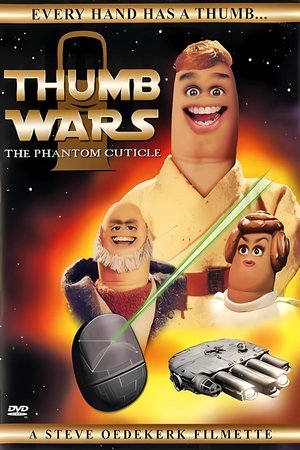
The hilarious story of a restless young farm-thumb, Loke Groundrunner, and his tasty companion, Princess Bunhead, who go on an quest to combat Black Helmet Man and the Evil Thumbpire. This is the first film of the hilarious 'Thumbs!' franchise.
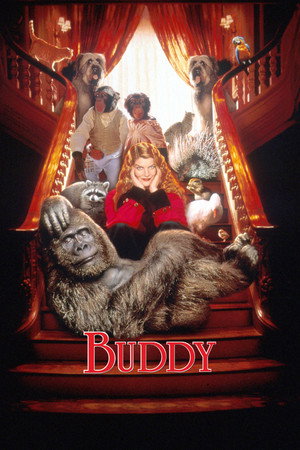
In the 1930s, eccentric animal lover Trudy adopts a sickly baby gorilla named Buddy and raises him alongside chimpanzees as if they were her human children. As Buddy grows into an 800-pound adult, his immense strength and unpredictable behavior lead to trouble, culminating in a chaotic incident at an exhibition.
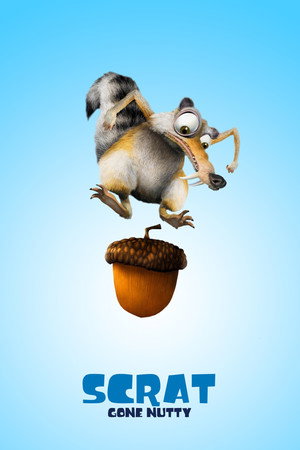
Scrat tries to finish his rather large collection of acorns when things start going nutty.
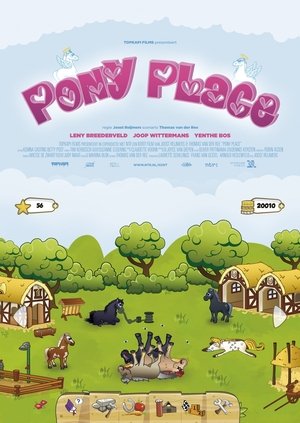
Grandmother Koba has to take care of her grandchild Emma's digital horse farm.