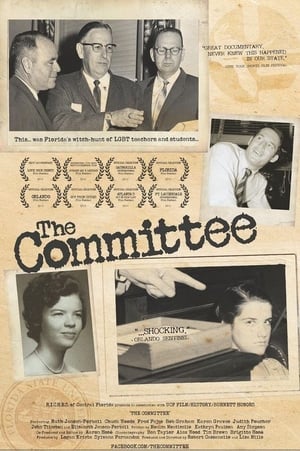
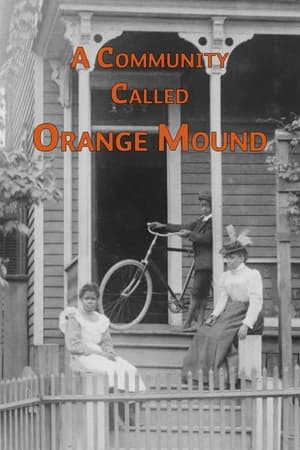
A documentary juxtaposing the events of the 20th century with the commentary of stand-up comedians.
A short film entitled "A Letter To Claudette Colvin", written and directed by Victoria Wilson bringing awareness to Colvin's involvement in the Montgomery Bus Boycott which ignited due to her refusal on March 2, 1955.
Narrated by actress Alfre Woodard, this trenchant, eye-opening doc traces the radical civil rights leader’s life from his tumultuous childhood, through his rise in the ranks of the Nation of Islam, to his 1965 assassination.
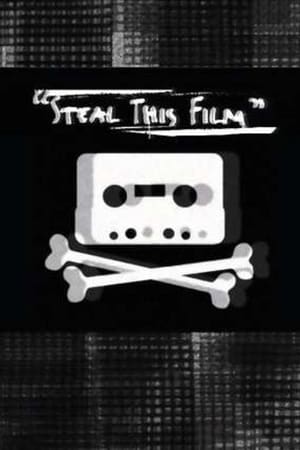
Steal This Film focuses on Pirate Bay founders Gottfrid Svartholm, Fredrik Neij and Peter Sunde, prominent members of the Swedish filesharing community. The makers claimed that 'Old Media' documentary crews couldn't understand the internet culture that filesharers took part in, and that they saw peer-to-peer organization as a threat to their livelihoods. Because of that, they were determined to accurately represent the filesharing community from within. Notably, Steal This Film was released and distributed, free of charge, through the same filesharing networks that the film documents.
50 years on, the Aboriginal Tent Embassy is the oldest continuing protest occupation site in the world. Taking a fresh lens this is a bold dive into a year of protest and revolutionary change for First Nations people.
For over 85 years, steamship Ste. Claire transported generations of Detroiters to Boblo Island, an amusement park nestled in the waters between the US and Canada. When the vessel comes under threat of ruin, a doctor, psychic and amusement park fanatic unite to save their beloved steamship from the scrapyard. Interweaving local lore and mythology, "Boblo Boats" explores the whitewashed history of amusement parks and one crew's crusade to bring back the memories.
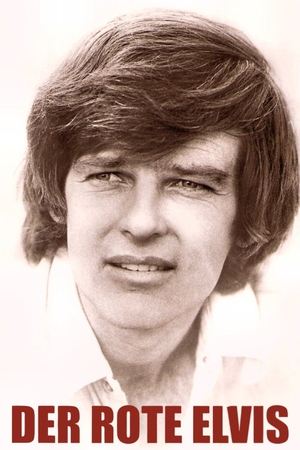
A documentary on the late American entertainer Dean Reed, who became a huge star in East Germany after settling there in 1973.
French documentary campaigning for the liberalization of abortion and contraception, directed by Charles Belmont and Marielle Issartel in 1973.
Three intrepid women battle for Indigenous women's treaty rights.
Down the road from Woodstock in the early 1970s, a revolution blossomed in a ramshackle summer camp for disabled teenagers, transforming their young lives and igniting a landmark movement.
Exploring the fallout of MIT Media Lab researcher Joy Buolamwini's startling discovery that facial recognition does not see dark-skinned faces accurately, and her journey to push for the first-ever legislation in the U.S. to govern against bias in the algorithms that impact us all.
With no choice, César faced leaving his family behind, quitting his job and joining the Army. In an unprecedented chain of events he became the first conscientious objector in Galicia (Spain) to be put in prison. Now, nearly thirty years later, Two Years, Four Months, A Day takes a look at what made him do it.
In January of 2016, a dozen members of the Memphis transgender community began meeting for a weekly story circle facilitated by Elaine Blanchard. The program, based on the format of her award winning Prison Stories series, was a time for sharing, healing and enlightenment. Thanks to the generosity of The California Institute for the Contemporary Arts, filmmaker Shelby Fuller Elwood documented their journey. All people have a story to tell, and all people long to be heard, respected and valued for who they are, and what they have experienced in life.
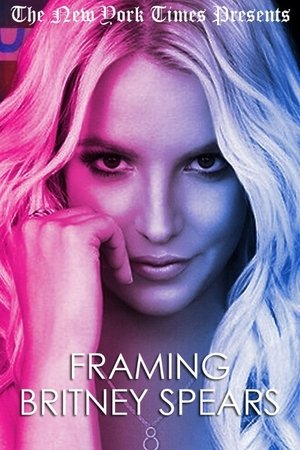
Britney Spears has said that her conservatorship had become “an oppressive and controlling tool against her”. This New York Times investigation reveals much of how it worked, including an intense surveillance apparatus that monitored every move she made.
Jackie Robinson broke baseball’s color line in 1947, but it took another generation of Black and Latino players to make the sport truly open to all. Playing in remote minor-league towns, these were the men who, before they could live their big-league dreams, first had to beat Jim Crow.
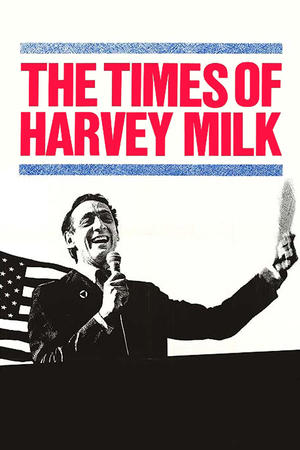
Harvey Milk was an outspoken human rights activist and one of the first openly gay U.S. politicians elected to public office; even after his assassination in 1978, he continues to inspire disenfranchised people around the world.
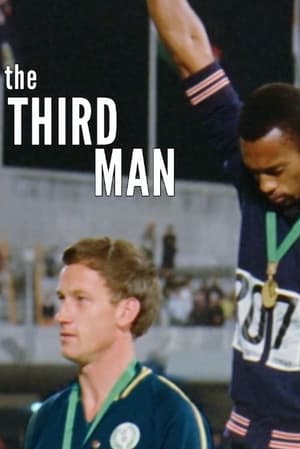
The black power salute by Tommie Smith and John Carlos at the 1968 Mexico Olympics was an iconic moment in the US civil rights struggle. Far less known is the part in that episode in history played by Peter Norman, the white Australian on the podium who had run second — and the price paid afterward by all three athletes.
This chilling reflection examines the horrific history of lynchings as cultural events and celebrations that included souvenirs and postcards.
Chronicles over four centuries of African American influence on the development of the modern-day United States. Before Plymouth Rock and Jamestown, St. Augustine, FL had built a multicultural colony of free and enslaved men and women. This small colony would eventually set the stage for the first Underground Railroad in the late 1600s. Then, 300 years later, be the epicenter of events that would lead to the passage of the Civil Rights Act of 1964.
The film is a controversy on democracy. Is our society really democratic? Can everyone be part of it? Or is the act of being part in democracy dependent to the access on technology, progression or any resources of information, as philosophers like Paul Virilio or Jean Baudrillard already claimed?