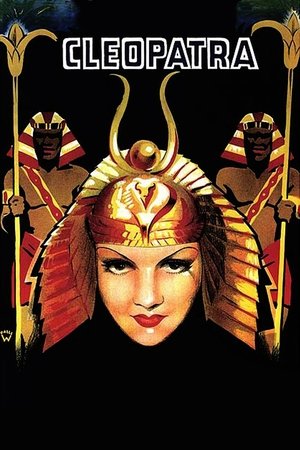
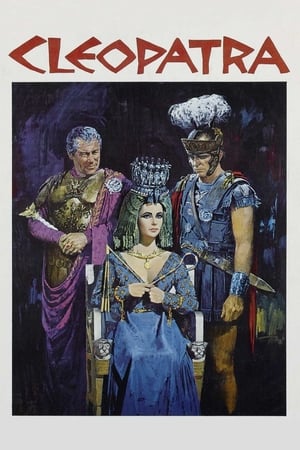
The queen of Egypt barges the Nile and flirts with Mark Antony and Julius Caesar.
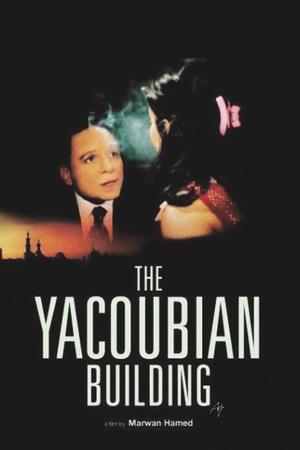
The lives of residents in an old Cairo building, "The Yacoubian Building," are affected by issues like corruption, extremism, class disparity, and sexuality. Through diverse characters, the film offers a critical examination of Egyptian society.
A man finds himself stuck in a mysterious time loop, reliving the same day again and again. As the cycle repeats, he is forced to confront his daily routines, question his relationships, and search for meaning in a world that refuses to change.
When Dawlat, a divorced barren woman, meets Medhat, a love story quickly turns into a successful marriage. But when their adopted teen daughter Posaina start to fall for Medhat, their world is turned upside down.
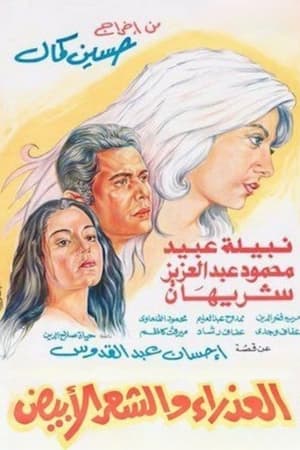
An elderly widow befriends an orphaned juvenile delinquent.
That old theatrical war-horse Bella Donna (previously filmed in America by Alla Nazimova) was resurrected by Britain's Twickenham Studios in 1934. Conrad Veidt stars as sinister Egyptian Mahmoud Baroundi, who even before the film gets under way has left a long trail of ruined women behind him. His latest victim is American girl Mona Chepstow (Mary Ellis), whom Baroundi treats like dirt and makes her like it. The plot centers around a murder by poison, as evidenced by the film's deliberately exotic title. Critics in 1934 praised newcomer Mary Ellis for underplaying her role, but many film fans preferred Nazimova's arm-waving histrionics in the earlier version.
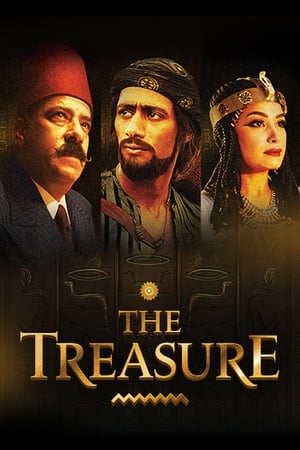
The events revolve around three eras: the Pharaonic era, the Mamluk era, and the first half of the 20th century. The events revolve around corruption and the power of some clerics over the ages to power and false and bad dealings with the people, and how to involve religion in politics in order to obtain positions. That there are clerics deliberately coloring and counterfeiting in this period of time to be the strongest and maintain their positions.
a short movie showing a day in the life of Egyptian middle class clerk in early 1970s.
A seemingly ordinary life is shattered when a woman uncovers a hidden truth about her husband, plunging her into a high-stakes international conflict. As loyalties blur and danger escalates, an Egyptian intelligence officer is tasked with a critical mission where failure is not an option.
The sudden death of Michael Jackson sends a former King of Pop devotee — now a young imam — into a tailspin, in this tender and comedic film from Egyptian filmmaker Amr Salama.
After a five-year hiatus, psychiatrist Yehia returns to work at Abbasiya Hospital. He’s assigned to evaluate a patient who turns out to be his old friend. As events unfold, Yehia uncovers dark secrets that challenge his understanding of reality.
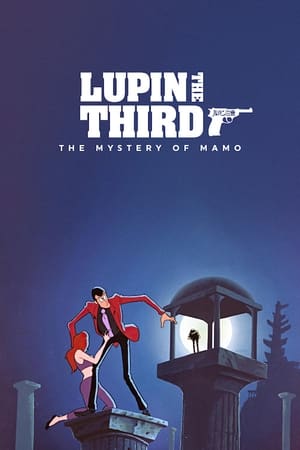
While attempting to win the affections of a beautiful rival, a master thief risks death to learn the secret intentions of a wealthy and seemingly immortal, but certainly ruthless, recluse.
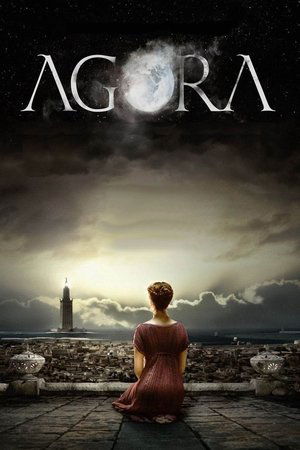
A historical drama set in Roman Egypt, concerning philosopher Hypatia of Alexandria and her relationship with her slave Davus, who is torn between his love for her and the possibility of gaining his freedom by joining the rising tide of Christianity.
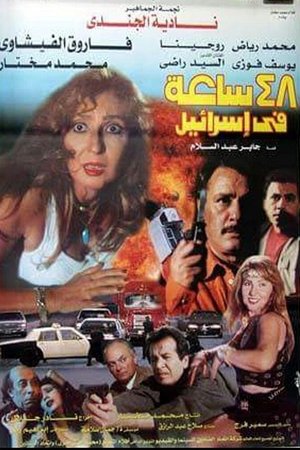
Amal raises her brother Nasr after the death of her father and husband in an Israeli raid on Suez in 1956. Nasr grows up and joins the Egyptian intelligence and travels to Greece to obtain an important microfilm, but he disappears after being kidnapped. However, he manages to hide the microfilm. Amal decides to travel to Greece to search for her brother. Both the Egyptian intelligence and the Israeli intelligence (Mossad) monitor Amal to obtain the microfilm, and the events of the film continue.
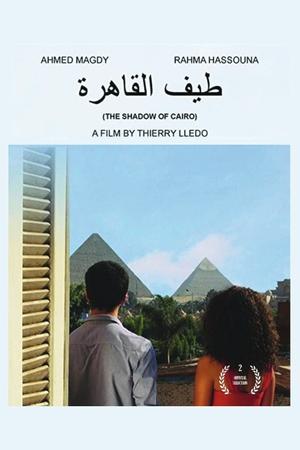
The Shadow of Cairo
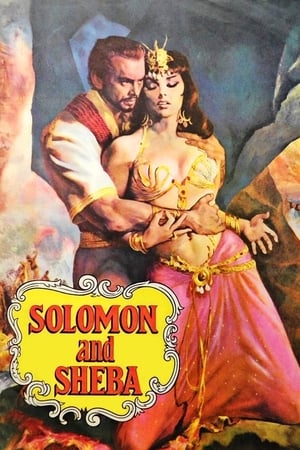
Near death, King David has a vision that his poet son, Solomon, should succeed him, rather than hot-headed Adonijah. Furious, Adonijah departs the court, swearing he will become king. Other rulers are concerned that Solomon's benevolent rule and interest in monotheism will threaten their tyrannical, polytheistic kingdoms. The Queen of Sheba makes an agreement with the Egyptian pharaoh to corrupt Solomon for their mutual benefit.
Alternate-language French version of Folies Bergère de Paris (1935).
Tells the story of Jesus Christ at age seven as he and his family depart Egypt to return home to Nazareth. Told from his childhood perspective, it follows young Jesus as he grows into his religious identity.
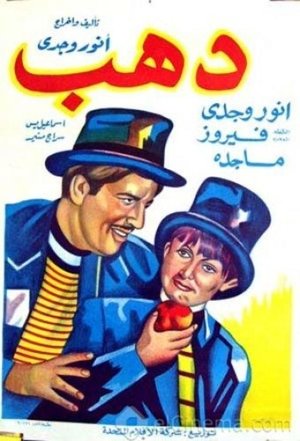
Anwar Wagdi plays vagabond musician Alfredo, who comes across an abandoned baby in the night. He tries his best to get our heroes someone to take it and raise it. When that fails, he has no choice but to raise it on his own. He names the child, Dabab, after the beautiful woman he's encountered on the street. Years pass and Dahab grows up to be the Faryuz, who is actually cute, talented and far less grating than our Ms. Temple. Many Chaplinesque hijinks ensue as Alfredo and Dahab play music on the streets, try to scam free food wherever they can and convince the owner of a successful nightclub to let Dahab perform.
Determined to hold on to the throne, Cleopatra seduces the Roman emperor Julius Caesar. When Caesar is murdered, she redirects her attentions to his general, Marc Antony, who vows to take power—but Caesar’s successor has other plans.