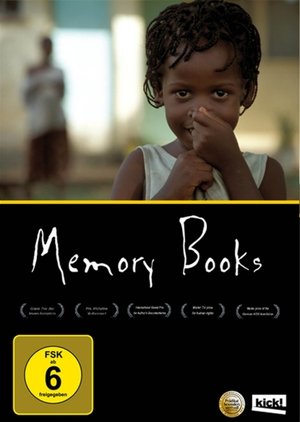
In Uganda, AIDS-infected mothers have begun writing what they call Memory Books for their children. Aware of the illness, it is a way for the family to come to terms with the inevitable death that it faces. Hopelessness and desperation are confronted through the collaborative effort of remembering and recording, a process that inspires unexpected strength and even solace in the face of death.
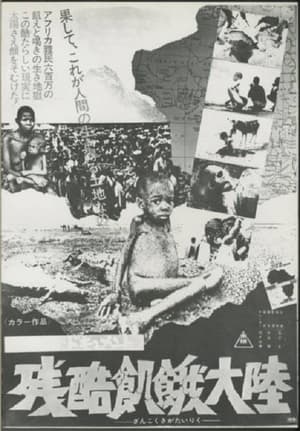
Cruel Famine Continent documents the Great Sahelian drought in West Africa and its effect on the people. The production was an attempt to pivot Toei's output from yakuza films and Toei Porn towards "global issues" and "whatever makes money", as stated by then-Toei president Shigeru Okada. Theatrical proceeds were to be shared as relief funds through the Japanese Red Cross, though the box office returns are unknown. Footage shot for the documentary by Yoshimitsu Banno would later be reused in the 1974 Toho production Prophecies of Nostradamus.
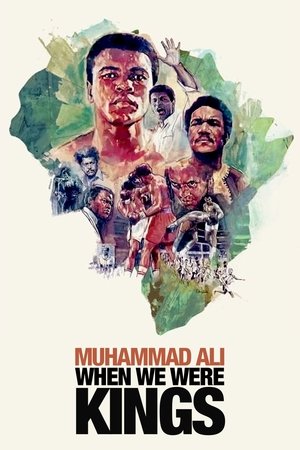
It's 1974. Muhammad Ali is 32 and thought by many to be past his prime. George Foreman is ten years younger and the heavyweight champion of the world. Promoter Don King wants to make a name for himself and offers both fighters five million dollars apiece to fight one another, and when they accept, King has only to come up with the money. He finds a willing backer in Mobutu Sese Suko, the dictator of Zaire, and the "Rumble in the Jungle" is set, including a musical festival featuring some of America's top black performers, like James Brown and B.B. King.
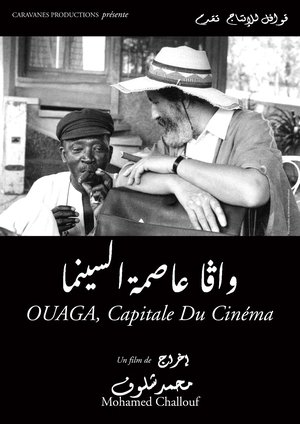
Between 1983 and 1987, Ouagadougou, the capital of Burkina Faso and the home city of FESPACO, one of the most important Pan-African film festivals in the world, was the scene of an exciting cinema utopia. With the support of the young president Thomas Sankara, the festival became a symbol of the cultural renaissance of a whole continent. The assassination of Sankara stifled the hopes of millions of young Africans, but the dynamism of FESPACO and African cinema did not stop.
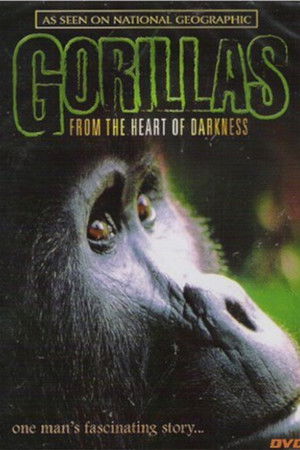
Rwanda was once a country of peace, beauty and fabulous wildlife. Romain Baertsoen arrived there in 1966 and started to film two of Rwanda's secrets, the Bahima tribe and rare mountain gorillas. The Rwandan Civil War shattered the peace in 1994, as warring factions pillaged towns and plundered the forests. Remarkably, the gorillas survived, but the world around them is increasingly uncertain.
America has long been called a Christian nation. In fact, over 70% of adults in America identify themselves as Christian. Yet when filmmaker Brandon McGuire heads to the streets to ask a few clarifying questions about how Christianity is defined within our culture, he is shocked by the answers he finds. This provocative documentary takes us deep within the American mind and brings to the surface the big ideas that have influenced the way we think about ourselves and about God.
Edeltraut Hertel - a midwife caught between two worlds. She has been working as a midwife in a small village near Chemnitz for almost 20 years, supporting expectant mothers before, during and after the birth of their offspring. However, working as a midwife brings with it social problems such as a decline in birth rates and migration from the provinces. Competition for babies between birthing centers has become fierce, particularly in financial terms. Obstetrics in Tanzania, Africa, Edeltraud's second place of work, is completely different. Here, the midwife not only delivers babies, she also trains successors, carries out educational and development work and struggles with the country's cultural and social problems.
Christof Wackernagel, best known in Germany as an actor and former member of the Red Army Faction ("RAF") lives in Mali. In his compelling portrait, Jonas Grosch shows a man who simply cannot stand still if he senses injustice. The courage to stand up for one’s beliefs coupled with vanity? However one chooses to look at it, it is easy to imagine what made him connect with the "RAF". With his irrepressible will for freedom, Christof Wackernagel gets entangled in the horrors of day-to-day life in Africa.
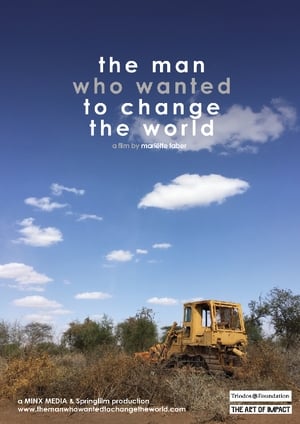
Peter Westerveld, artist and visionary, doesn’t want institutions to resolve the problems linked to earth’s problems. Growing up in Africa, he witnessed the advance of the desert and dedicated himself to finding solutions for the ongoing erosion and desertification of the land. The film follows Peter and the NGO working with him to realise his project; to build contour trenches that capture and store rain water under the surface and replenish the desert land.
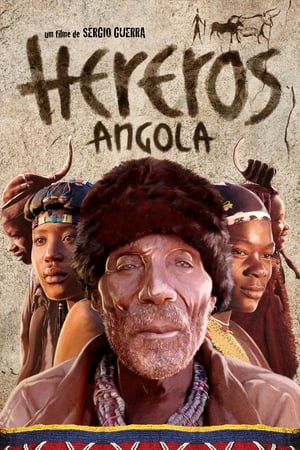
Hereros Angola is a documentary film on the ethnic group of the same name. Originated from Bantu peoples, they maintain their millennial culture which gains new senses through the camera.
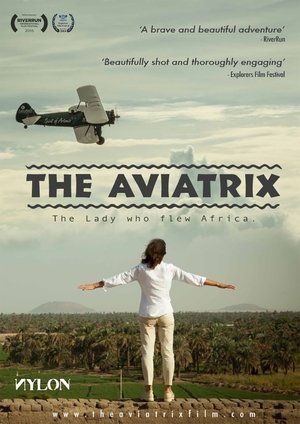
In 1928, Lady Heath became the first person to fly solo from Cape Town to London. Eighty-five years later, Tracey Curtis-Taylor set out in a vintage biplane to fly that adventure again. Following Tracey as she retraces the journey, The Aviatrix is more than just a film about the rapture of flying – it’s a story about living life on your own terms and having the courage and determination to realise your greatest dreams.
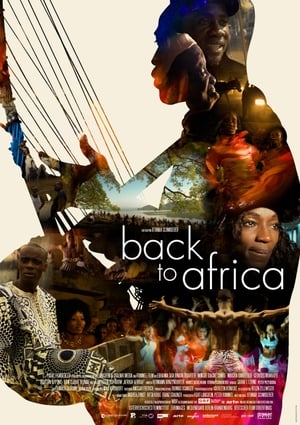
An Austrian director followed five successful African music and dance artists with his camera and followed their lives for a year. The artists, from villages in Ghana, Gambia and Congo, were the subjects of Africa! Africa! touring across Europe, but they have unbreakable roots to their homeland and their families. Schmiderer lovingly portrays his heroes, who tell their stories about themselves, their art and what it means to them to be African with captivating honesty. The interviews are interwoven with dance scenes and colourful vignettes set to authentic music.
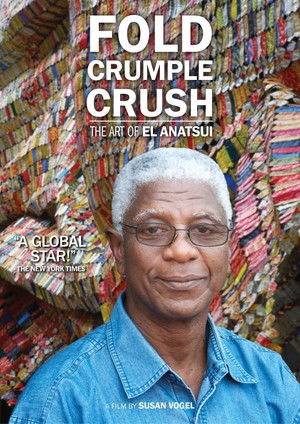
A powerful portrait of Africa's most widely acclaimed contemporary artist El Anatsui. It gives an insider's view of the artist's practice, the ingenious steps and thousands of hours of labor that convert used bottle tops into huge, opulent wall hangings.
A Luta Continua explains the military struggle of the Liberation Front of Mozambique (FRELIMO) against the Portuguese. Produced and narrated by American activists Robert Van Lierop, it details the relationship of the liberation to the wider regional and continental demands for self-determination against minority rule. It notes the complicit roles of foreign governments and companies in supporting Portugal against the African nationalists. Footage from the front lines of the struggle helps contextualize FRELIMO's African socialist ideology, specifically the role of the military in building the new nation, a commitment to education, demands for sexual equality, the introduction of medical aid into the countryside, and the role of culture in creating a single national identity.
Hans Schomburgk reflects on his life as a researcher. He recounts experiences, adventures, and insights he has gathered over the course of 60 years between Cape Town and Congo. The film shows the changes that Africa has undergone in terms of nature and culture during this period, comparing yesterday and today.
In this comedic travelogue movie, filmmaker Alex Suszko ventures to the country of Mauritius where he attempts to understand the cultural differences as a lower-middle class American abroad.
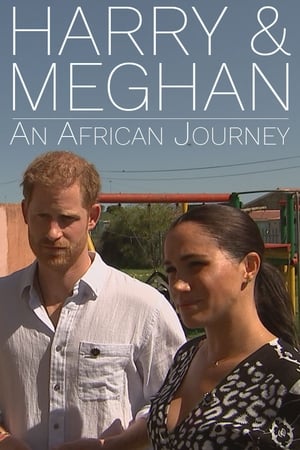
“Harry & Meghan: An African Journey" features unprecedented access and exclusive interview with The Duke and Duchess of Sussex about the challenges they face living in the public eye.
In common with many L.A. Rebellion films, Snake touches on such themes as institutionalized racism, colonialism and the plight of women of color. Narrated in the first person by the filmmaker as an epistle to her son, The Snake in My Bed tells Diegu's story as a Nigerian woman in Lagos who is romantically pursed by a German national who has “gone native.” Despite his secretive and duplicitous actions, she eventually agrees to marry him and has his child, only to learn that he is a bigamist with a German wife and child.
Sexual decisions have deadly consequences. Can a small group of college students from Botswana challenge conventional wisdom about AIDS in Africa to save their generation? "The Road We Know" explores the impact of HIV/AIDS in Botswana through the efforts of these young adults who boldly advocate for behavior change to save lives. Facing cultural taboos and difficult travel, this small group sets out across the nation for five weeks with three tents, one car, and a radical solution to save lives.
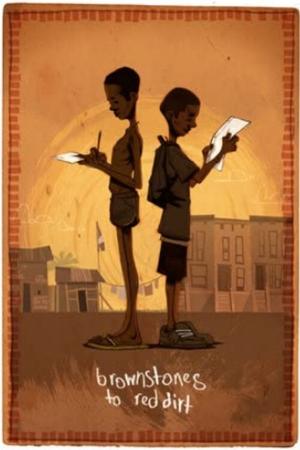
Kids from Brooklyn, NY housing projects try to change the world when they are paired with Sierra Leonean pen pals orphaned by a civil war.