A compilation of accidents, disasters, death, mayhem, and human feats caught on tape.
The highly anticipated follow-up to their critically acclaimed VIDEO NASTIES: MORAL PANIC, CENSORSHIP & VIDEOTAPE documentary, director Jake West and producer Marc Morris continue uncovering the shocking story of home entertainment post the 1984 Video Recordings Act. A time when Britain plunged into a new Dark Age of the most restrictive censorship, where the horror movie became the bloody eviscerated victim of continuing dread created by self-aggrandizing moral guardians. With passionate and entertaining interviews from the people who lived through it and more jaw dropping archive footage, get ready to reflect and rejoice the passing of a landmark era.
In the sixties, Swedish filmmaker Ingmar Bergman (1918-2007) built a house on the remote island of Fårö, located in the Baltic Sea, and left Stockholm to live there. When he died, the house was preserved. A group of very special film buffs, came from all over the world, travel to Fårö in search of the genius and his legacy. (An abridged version of Bergman's Video, 2012.)
Documentary about the battle between Orson Welles and William Randolph Hearst over Welles' Citizen Kane (1941). Features interviews with Welles' and Hearst's co-workers also acts as a relatively complete biograph of Hearst's career.
A short film of the first weeks of strict national lockdown, filmed in Barcelona on a classic home video camera Hi8. Narrates the story of three women who share a flat and who create a microworld not only to survive the global pandemic but also to survive themselves.
A collection of urban explorations videos made by filmmaker Will Krupinsky between 2015-2017.
An in-depth analysis of the "Video Nasty" scandal of the early 1980s in Britain.
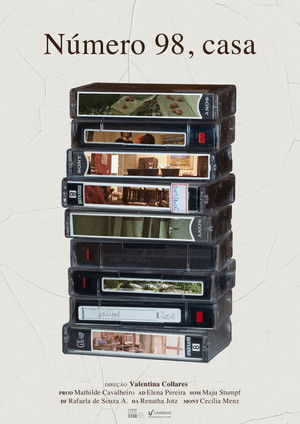
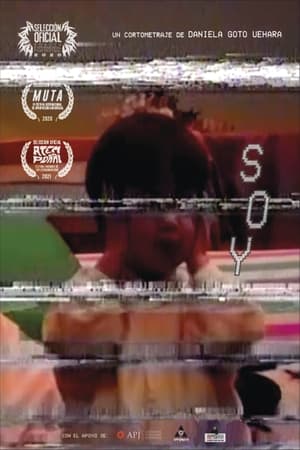
90's era home videos of a Mexican father starting a new life in the United States
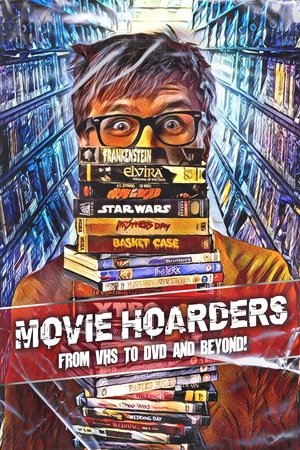
Filmmakers and collectors lift the curtain on their manic media obsession that is not only a huge part of their lives, but the lifeblood of their existence!
Soy
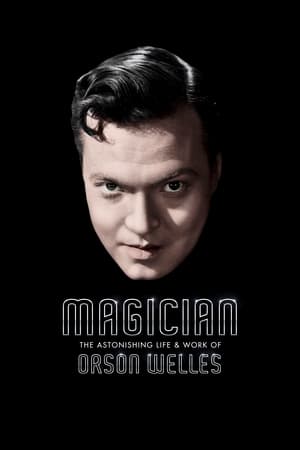
The extraordinary life of Orson Welles (1915-85), an enigma of Hollywood, an irreducible independent creator: a musical prodigy, an excellent painter, a master of theater and radio, a modern Shakespeare, a magician who was always searching for a new trick to surprise his audience, a romantic and legendary figure who lived only for cinema.
When a small Utah-based edited movie company is caught sanitizing Hollywood's copyrighted material, the film industry strikes back with a devastating blow.
In late eighties, in Ceausescu's Romania, a black market VHS bootlegger and a courageous female translator brought the magic of Western films to the Romanian people and sowed the seeds of a revolution.
Mother-of-two Judy Malinowski, then 31, was doused in gasoline and set on fire by her crazed boyfriend – and one of the first ever to testify from beyond the grave, at the trial for her own murder. A story that lives at the intersection of true crime and #MeToo, THE FIRE THAT TOOK HER goes deep inside a landmark case to ask a timely question: How much must women suffer in order to be believed?
The story of Queen Elizabeth II in her own words, featuring never-before-seen home movies.
Filmed in Berlin, July 1990. Images of workers taking down the wall and street peddlers selling pieces of it to make a living.
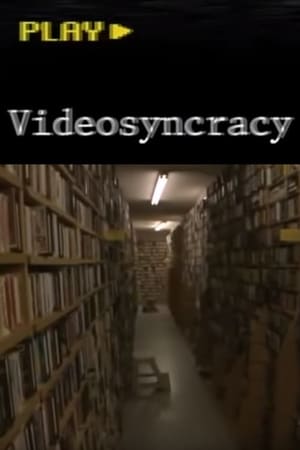
As the dissociated convenience of the Internet and globalized corporate culture continue to shut down brick-and-mortar video stores, what will happen to the longstanding, local hangouts with their rugged individuals known as clerks and the communities who love them? Videosyncracy follows three very different video rental stores as they negotiate their survival in three distinct Los Angeles neighborhoods: Old Bank DVD in the Downtown arts district, Vidiots in sunny seaside Santa Monica, and Eddie Brandt’s Saturday Matinee in bustling North Hollywood. Their stories chronicle not only the birth and twilight of a particular kind of corner store, but also decades of personal lives intertwined with those of their communities, the new challenges and facilities of a rapidly changing world, and an enduring love of the movies, a slice of Americana on the brink of disappearance yet defiant to the end.
The raft man Manuel Jacaré was swallowed by the sea when Orson Welles was filming It's All True in 1942. The fact evokes memories of the dictatorship of the Estado Novo, of World War II, of Ceará fishermen's struggle for labor rights and housing in their traditional space - target of real estate speculation.
Where do I come from? For some, the question has a simple answer -- for others, the truth can be much more complicated. With the rise in popularity of at-home DNA tests, it's now easier than ever for people to uncover their family history and, sometimes, things their parents wish would stay buried. Interested in learning more about his family heritage, director Jon Baime took an at-home DNA test and uncovered a family secret that has been hidden for half a century. Featuring in-depth interviews with Jon's siblings as well as a treasure trove of family photos and films spanning 70 years, FILLING IN THE BLANKS takes audiences on a journey as Jon explores the meaning behind his discovery and expands on what it means to be family.
Filmmaker Jan Oxenberg narrates her own home videos, commenting on how her views towards lesbianism and femininity have evolved over time.