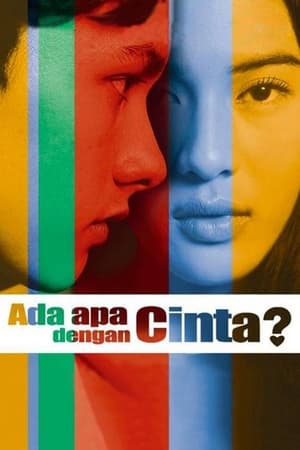
A popular high school girl strains her relationship with her close-knit clique when she begins falling for a reclusive, lower-class schoolmate.
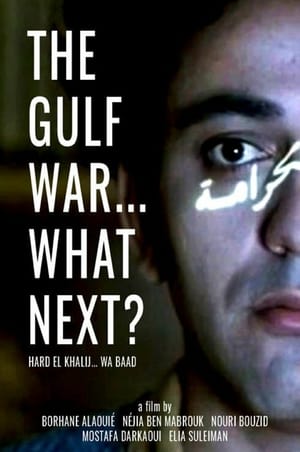
The second Gulf War from 1990 to 1991 represents in the collective Arab memory a turning point in regards to the Arab nationalism’s self-perception as well as a moment of deep historical and existential insecurity. Five Arab directors discuss the events from their personal perspective.
The homoerotic poetry of Mutsuo Takahashi sets the stage for these associated images based on male desire.
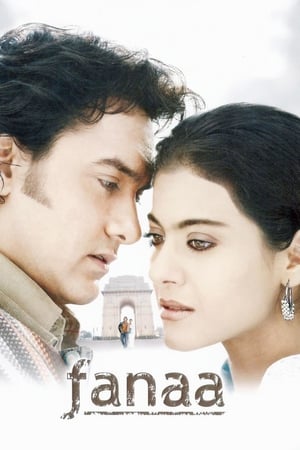
Zooni Ali Beg is a blind Kashmiri girl who travels without her parents for the first time with a dance troupe to Delhi to perform in a ceremony for independence day. On her journey, she meets Rehan Khan, a casanova and tour guide who flirts with her. Although her friends warn Zooni about him, she cannot resist falling in love with him and he takes her on a private tour of New Delhi. But there is more to Rehan than meets the eye and Zooni will have to make a heartbreaking decision.
Three distinct tales unfold in the bustling city of Tokyo. Merde, a bizarre sewer-dweller, emerges from a manhole and begins terrorizing pedestrians. After his arrest, he stands trial and lashes out at a hostile courtroom. A man who has resigned himself to a life of solitude reconsiders after meeting a charming pizza delivery woman. And finally, a happy young couple find themselves undergoing a series of frightening metamorphoses.
Anthology film. Five heroines from five different, yet similar worlds face social and systematic oppression and injustice. We follow their journeys as they struggle for hope and a better life.
"Four boys drinking tomato juice and beer for God knows why..."
After Tsutomu Tamaki graduated from high school, he has worked at his family farm and raises ume (plum). He becomes interested in a class for “poetry boxing” and decides to take the class. There, he meets a female high school student who has her own problem.
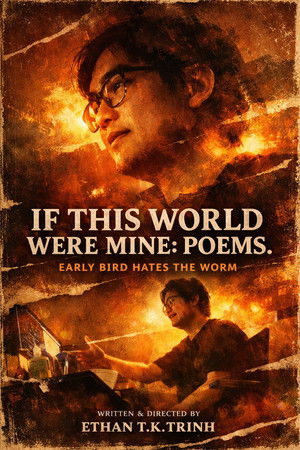
If This World Were Mine: Poems is an intimate, cinematic short film adaptation of a layered poetic journey—a visual meditation on identity, introspection, and the internal landscapes we navigate as we grow. The film blends voice-over narration, evocative imagery, and reflective monologue to bring the emotional and thematic currents of the poetry to life.
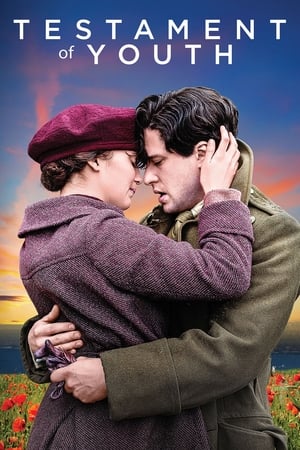
Testament of Youth is a powerful story of love, war and remembrance, based on the First World War memoir by Vera Brittain, which has become the classic testimony of that war from a woman’s point of view. A searing journey from youthful hopes and dreams to the edge of despair and back again, it’s a film about young love, the futility of war and how to make sense of the darkest times.
“Poussières de Juillet”, produced in 1967 by Hachemi El-Chérif, is taken from a poem by Kateb Yacine. "We made a film on the return of the ashes of Emir Abdelkader, to Algeria. It was the opportunity to make a film on the ancestors with M'hamed Issiakhem. He designed glass plates on the basis of my texts. Then we had actors collaborate. It was a film which cost us a total of 300 dinars, proof that we could do work for television without too much money. We won two first international prizes at the Belgrade festival. We left the original of the film with the Egyptians in Alexandria and they lost it. We kept a copy but over time I wonder what happened to it, because there is no not even had a screening, they say it still exists, but I don't know in what state." Kateb Yacine, July 28, 1986, interview with Arlette Casas.
Three "miniatures" touching on romantic relationships between men and women from different perspectives. Matěj, a young vegetable garden guard and lover of idleness and village women, spends the night in the grass with Agáta, the wife of a switchman, even though he is not particularly interested in the unsatisfied woman. Voloďa, a young man growing up without a father, is confused about his feelings for the married thirty-year-old Míša, who seduces him on a whim and then rejects him. The hunter with a "free spirit" refuses to spend even a single day with his unhappy village wife, whom the mayor (who first got him drunk) married him to years ago out of envy for his shooting skills.
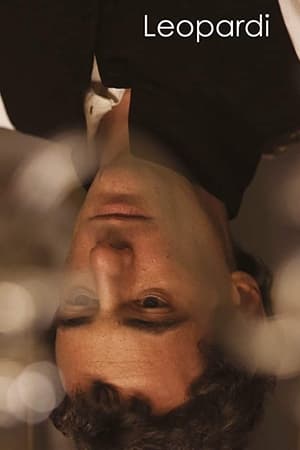
In 19th-century Italy, Giacomo Leopardi channels his debilitating illness and isolation into poetry.
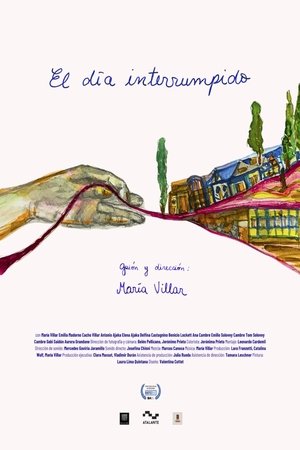
As the day begins, a woman sets out to go about her routine, until she decides to take her children to the cemetery to see zombies. When she returns home, this interruption in her day will leave her with a strange and magical feeling.
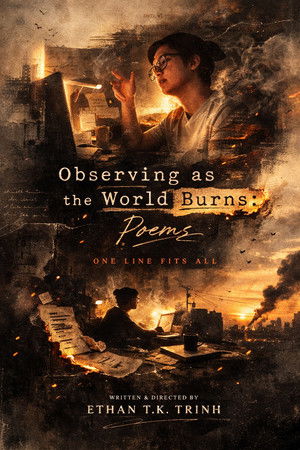
Observing as the World Burns: Poems is an evocative, introspective short film that transforms lines of verse into raw visual poetry—confronting the dual forces of personal introspection and outward chaos. Anchored by cinematic performances, layered voice-over, and an emotive soundscape, the film embodies the tension between witnessing life’s unraveling and finding meaning within it. Rather than dramatizing action, this film immerses the viewer in the experience of attention—the act of watching, contemplating, and articulating what it means to be alive. At the same time, everything feels like it’s burning. It is both a cinematic poem and a visual diary—an invitation to witness, feel, and reflect alongside the narrator.
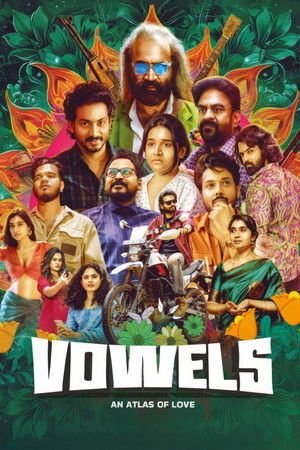
A romantic anthology of five love stories exploring different dimensions: Attraction, Emotion, Intimacy, Obsession, and Unconditional love, each reflecting diverse emotional experiences.
17-year-old Asher is split between his charismatic teacher and his brash father, who wants him to take over his scaffolding business.
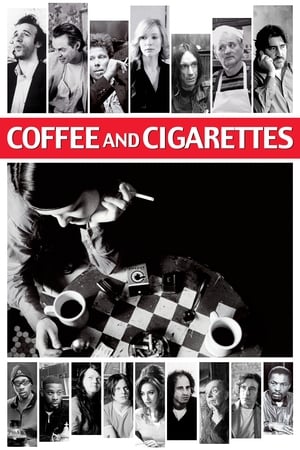
An anthology of eleven vignettes featuring star-studded casts of extremely unique individuals who all share the common activities of conversing while drinking coffee and smoking cigarettes.
Anthology film in which Hedy Lamarr plays 2 queens during 2 different time periods. Ulmer directed the Genoveffa di Brabante part whereas Allégret was responsible for the empress Josephine section after he left due to artistic differences with Lamarr.
A lowly bookkeeper (me), shot entirely on videotape (Sony Hi8), recites a poem about Tuesdays (derived from Old English Tiwesdæg, meaning ‘day of Tiw’ (the Norse god of law)). More info here: https://en.tuespedia.org/wiki/Tuesday