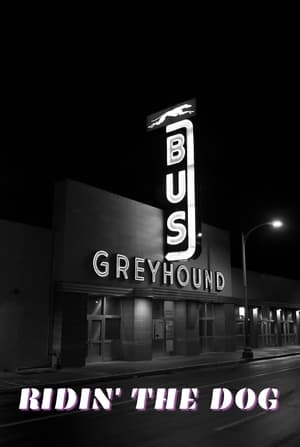
The world-famous Greyhound bus is almost as old as the Wild West. It is a symbol of North America, of progress, and of nostalgia. Reporter Studs Terkel travelled 2,000 miles across the United States by Greyhound. From Seattle to Chicago, he observes his fellow-passengers. He meets a number of travelers who appear to be very interesting people: a Native American boxer on his way to his birthplace in Montana, a bar owner who was a bank robber in a former 'career', a 99 year old woman who is still running a busy hotel, and, of course, a pedigree cowboy. The spectator of this film listens to their personal stories, watches the beautiful scenery, and is treated to famous feature film fragments in which the Greyhound bus plays a part. Seven states and two time zones later, he is back in his cinema seat.
A day-to-day record of the construction of the Confederation Bridge linking Prince Edward Island to the mainland, Abegweit reveals some of the innovations that made this mammoth project one of the most impressive engineering feats in Canadian history.
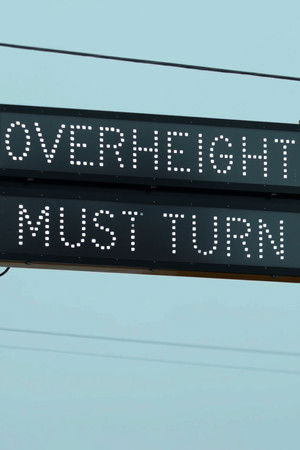
For the past ten years, Jürgen Henn has filmed over-height trucks crashing into the 11foot8 train bridge affectionately nicknamed the "Can Opener." In that time, millions have viewed the crashes online. Regional, national, and international news organizations have dined out on the story and the goofy crash reels. But why do motorists continue to crash despite the many warnings, sensors, and signs? And what is it about these crashes that holds our attention? In this piece, we look for the humanity in human error.
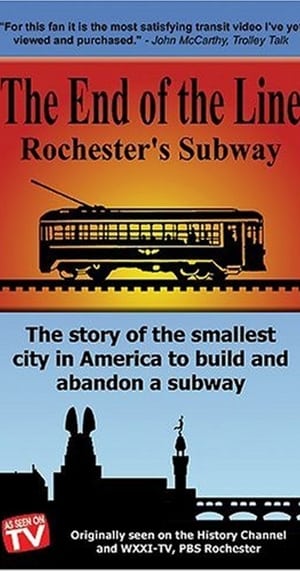
"The End of the Line - Rochester's Subway" tells the little-known story of the rail line that operated in a former section of the Erie Canal from 1927 until its abandonment in 1956. Produced in 1994 by filmmakers Fredrick Armstrong and James P. Harte, the forty-five minute documentary recounts the tale of an American city's bumpy ride through the Twentieth Century, from the perspective of a little engine that could, but didn't. The film has since been rereleased (2005) and now contains the main feature with special portions that were added as part of the rereleased version. These include a look at the only surviving subway car from the lines and a Phantom tun through the tunnels in their abandoned state, among others, for a total of 90 minutes of unique and well preserved historical information.
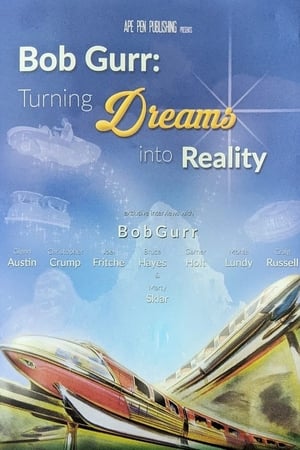
The documentary, Bob Gurr: Turning Dreams into Reality, tells the story of one of Walt Disney's earliest 1954 Imagineering Legends, Bob Gurr. His career spanning 45 years creating 250 projects with Disney and beyond will be explored. From Disneyland to Las Vegas, Olympic spectaculars to rock star shows, Bob's creations included Monorails, Abraham Lincoln mechanical animation, Pirate Battle Shows, even massive animated figures of King Kong and Godzilla. Viewers will learn much about how these attractions were created from those who were there sharing these creations. Eight theme park creators who worked with Bob over these years will describe the unique ways in which he created a vast variety of attractions. The cast includes Disney Ambassador to the World Marty Sklar, Imagineering VP Craig Russell, Imagineer Chris Crump, and many others.
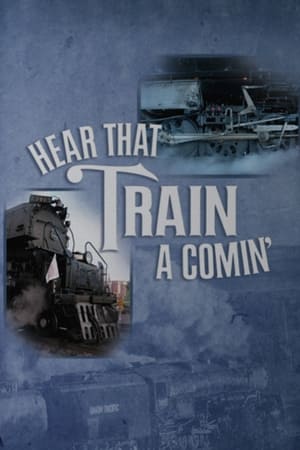
Meet the crew of the Union Pacific Challenger No. 3985, the largest and most powerful steam engine in the world. This colorful documentary is a behind-the-scenes look at the conductors, engineers and mechanics who keep this fickle train running, an engaging history of steam power, and a scenic tour the Great Plains -- from Cheyenne, Wyo., through Denver and across Nebraska to the Omaha headquarters of the Union Pacific.
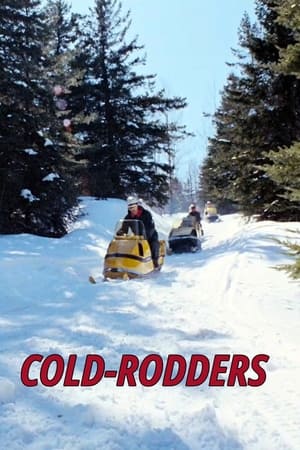
An amusing view of the machine that has taken the country by winter storm: the snowmobile, revving, raring, ready to go. What the motorboat was to the summer lake, this motorized sled now is to the snow-covered fields. This film shows it all--the pull of this sit-down sport, the eagerness of the trade to keep it booming, the daring rivalry of the racing crowd, and the bemused pleasure of the family outing.
This short documentary shows how a city's water supply is purified at a filtration plant. The complex system of the underground mains that supply all parts of the city with water is also illustrated, as is the safeguarding of water supplies on trains, ships and aircrafts.
A film looking at the first 100 years of the Underground Railway in London from 1863 to 1963. A range of well known people and senior managers speak alongside some excellent archive film.
First part of a two-part documentary about the now largely defunct network of local railways in the areas around Erlangen and Forchheim, Germany.
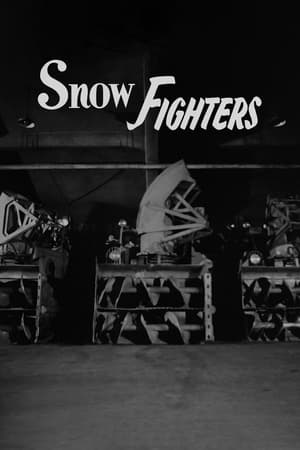
A close-up of a snow-bound city, and the men, money and machinery it takes to dig it out.
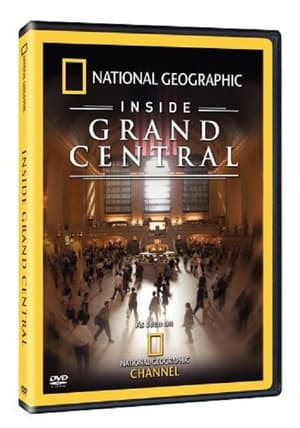
In the heart of New York City stands Grand Central Terminal. Explore the magnificent secrets of this iconic landmark as we take you inside the heart, soul and amazing engineering of this superstructure. From railroad cars to rush hours, we unlock the colorful tales of its past, present and future.
24 hodin pražského metra
Rhode Island slashed its public transportation budget in September, leaving bus riders struggling as they attempt to get to work, school, doctor appointments, and visit their children. Community members already struggling to make ends meet have been forced to wake before dawn just to make it to work. Others are now spending money they don’t have on private rides. Still more are standing for over an hour on crowded buses, worried about sickness and tired from the rest of their commute. As the freezing temperatures approach, concerns are rising. RIPTA advocates will present their case to lawmakers in January and until then, these bus riders have been left out to dry on the unforgiving streets of Rhode Island.
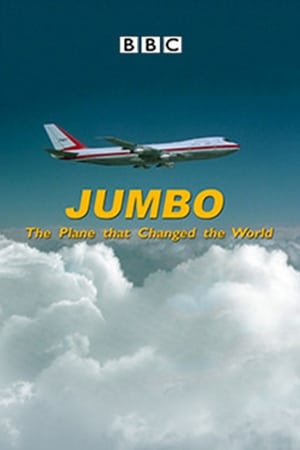
Documentary about the development of the Boeing 747 jumbo jet. The 747 was a game changer, the airliner that revolutionised mass, cheap air travel. But the first wide-bodied plane was originally intended as a stopgap to Boeing's now-abandoned supersonic jet. This is the remarkable untold story of the jumbo, a billion-dollar gamble that pushed 1960s technology to the limits to create one of the world's most recognisable planes.
Jak se žije převozníkům podle Romana Vávry
1903, cinematography by Frank Ormiston-Smith.
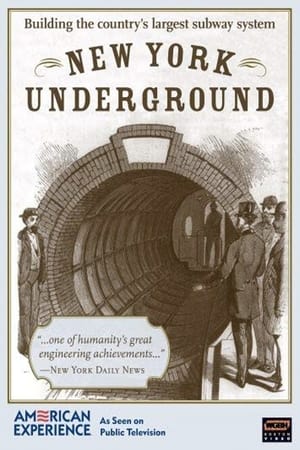
In the mid 1800s, New York City was one of the most crowded places on earth. The congested streets and pokey transportation system were a source of constant complaint. On March 24, 1900, ground was broken for the Big Apple's subway; the Interborough Rapid Transit Line opened four years later, running more than 26 miles of underground track at the speed of 35 miles per hour. Soon thousands in the city were "doing the subway."
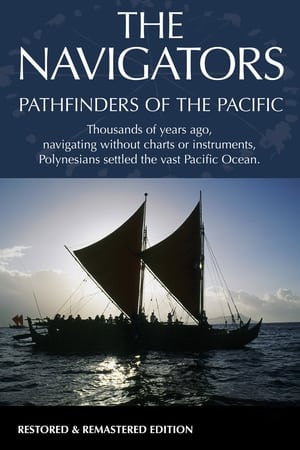
In hand-built, double-hulled canoes sixty feet long, the ancestors of today's Polynesians sailed vast distances using only the waves, the stars, and the flights of birds to navigate. Anthropologist Sanford Low visits the Caroline Islands of Micronesia to meet Mau Piailug, the last navigator initiated on his island and one of few men still practicing this once-essential art. He demonstrates his skill by sailing a replica canoe 2500 miles from Hawaii to Tahiti with no modern navigational instruments.
Cinematography by Frank Ormiston-Smith.