800 million units circulate around the globe. It is the largest contributor to air pollution worldwide and accounts for 8,300 deaths every day. And every night it sleeps in your garage.
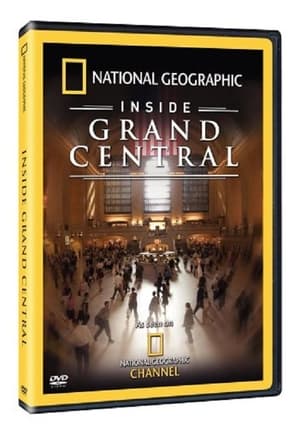
In the heart of New York City stands Grand Central Terminal. Explore the magnificent secrets of this iconic landmark as we take you inside the heart, soul and amazing engineering of this superstructure. From railroad cars to rush hours, we unlock the colorful tales of its past, present and future.
This 2001 Nine special tells the story of St. Louis-based Trans World Airlines (TWA). The story of how the company went from barnstorming to bankruptcy is the story of American air travel.
Jusqu'où ira Uber ?
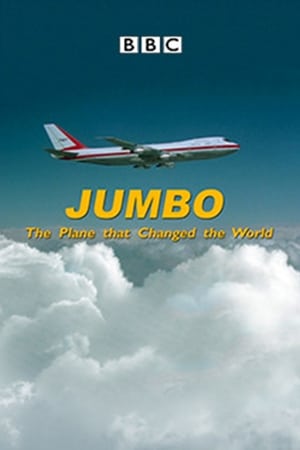
At any given moment hundreds of people are soaring above us in a 747. From the moment the very first jumbo jet took off in 1969, it has been the aircraft against which all others are judged. But its 45-year journey has been anything but smooth. This is the definitive story of the Boeing 747, from its milestones and triumphs to its turning points and disasters. Witness its history through rare archival footage and tales from pilots, engineers, designers, and passengers who were there when it all began.
THE STRAIT GUYS follows Czech-born mining engineer, George, and his fast-talking protégé, Scott, along the proposed route of the InterContinental Railway through Alaska, to the Bering Strait and onward to Russia. The “Strait Guys” endeavor to convince international governments, corporations, and indigenous tribes to green-light their $100 billion railway project, which would provide ground-based infrastructure across the continents, relieve overcrowded Pacific ports, improve global supply chains, and ease tensions between the superpowers. The US and Russia have been successfully collaborating in space for decades. Now the Strait Guys are out to prove it is also possible down here on earth.
The British Railways modernisation programme of the 1960s radically changed the rail network, and the British Transport Films unit and the TV news were there to capture it. Compiled here is never before released colour footage of Southern steam at Waterloo (with Nine Elms depot), all the major London stations, The Blue Pullman and early diesels, The Golden Arrow and Night Ferry service, goods and mail, steam on the Metropolitan Railway and building the Victoria Line.
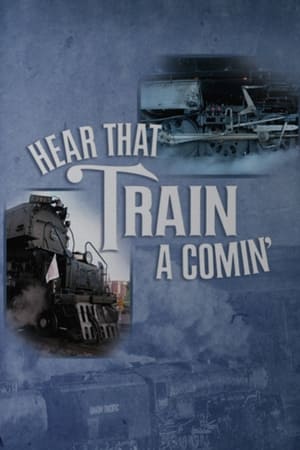
Meet the crew of the Union Pacific Challenger No. 3985, the largest and most powerful steam engine in the world. This colorful documentary is a behind-the-scenes look at the conductors, engineers and mechanics who keep this fickle train running, an engaging history of steam power, and a scenic tour the Great Plains -- from Cheyenne, Wyo., through Denver and across Nebraska to the Omaha headquarters of the Union Pacific.
Cargos - Dans les soutes de la mondialisation
Documentary about the development of the Boeing 747 jumbo jet. The 747 was a game changer, the airliner that revolutionised mass, cheap air travel. But the first wide-bodied plane was originally intended as a stopgap to Boeing's now-abandoned supersonic jet. This is the remarkable untold story of the jumbo, a billion-dollar gamble that pushed 1960s technology to the limits to create one of the world's most recognisable planes.
Part of a travelogue series, this films visits to Derry, the Giant’s Causeway, Carrick-a-Rede, Mount Stewart and Belfast.
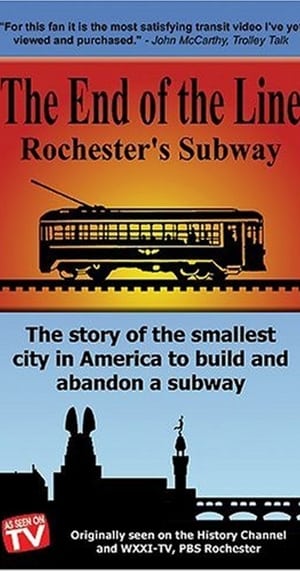
"The End of the Line - Rochester's Subway" tells the little-known story of the rail line that operated in a former section of the Erie Canal from 1927 until its abandonment in 1956. Produced in 1994 by filmmakers Fredrick Armstrong and James P. Harte, the forty-five minute documentary recounts the tale of an American city's bumpy ride through the Twentieth Century, from the perspective of a little engine that could, but didn't. The film has since been rereleased (2005) and now contains the main feature with special portions that were added as part of the rereleased version. These include a look at the only surviving subway car from the lines and a Phantom tun through the tunnels in their abandoned state, among others, for a total of 90 minutes of unique and well preserved historical information.
Jak se žije převozníkům podle Romana Vávry
People have always wanted to reach the horizon and go beyond it. It wasn't and isn't just about discovering for the sake of discovering. Exotic goods, wealth and power were the driving forces of these people. The steamship ultimately brought the breakthrough for global mobility and trade. In the past, as now, shipping is the engine of globalization.
The world-famous Greyhound bus is almost as old as the Wild West. It is a symbol of North America, of progress, and of nostalgia. Reporter Studs Terkel travelled 2,000 miles across the United States by Greyhound. From Seattle to Chicago, he observes his fellow-passengers. He meets a number of travelers who appear to be very interesting people: a Native American boxer on his way to his birthplace in Montana, a bar owner who was a bank robber in a former 'career', a 99 year old woman who is still running a busy hotel, and, of course, a pedigree cowboy. The spectator of this film listens to their personal stories, watches the beautiful scenery, and is treated to famous feature film fragments in which the Greyhound bus plays a part. Seven states and two time zones later, he is back in his cinema seat.
A small group of activists take on systemic racism and prejudice in Baltimore's public transportation, battling against the odds to create a brighter future for their community.
An amusing view of the machine that has taken the country by winter storm: the snowmobile, revving, raring, ready to go. What the motorboat was to the summer lake, this motorized sled now is to the snow-covered fields. This film shows it all--the pull of this sit-down sport, the eagerness of the trade to keep it booming, the daring rivalry of the racing crowd, and the bemused pleasure of the family outing.
Snow Warrior is a love letter to the splendour of winter. It captures the beauty of a northern city through the eyes of a bicycle courier named Mariah.
In hand-built, double-hulled canoes sixty feet long, the ancestors of today's Polynesians sailed vast distances using only the waves, the stars, and the flights of birds to navigate. Anthropologist Sanford Low visits the Caroline Islands of Micronesia to meet Mau Piailug, the last navigator initiated on his island and one of few men still practicing this once-essential art. He demonstrates his skill by sailing a replica canoe 2500 miles from Hawaii to Tahiti with no modern navigational instruments.
This short documentary shows how a city's water supply is purified at a filtration plant. The complex system of the underground mains that supply all parts of the city with water is also illustrated, as is the safeguarding of water supplies on trains, ships and aircrafts.