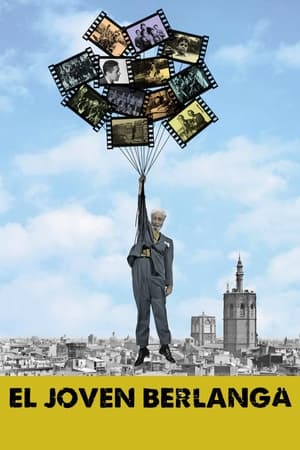
The early days of the future genius of Spanish cinema Luis García Berlanga, from his birth in Valencia in 1921 to his departure to Madrid in 1947 to become a filmmaker.
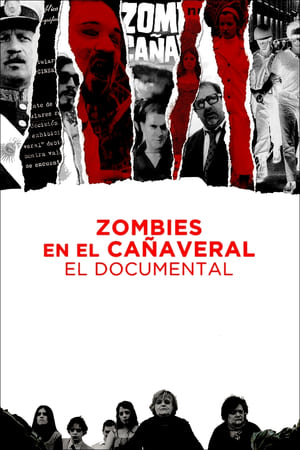
Tucumán, Argentina, 1965. Three years before George A. Romero's Night of the Living Dead was released, director Ofelio Linares Montt shot Zombies in the Sugar Cane Field, which turned out to be both a horror film and a political statement. It was a success in the US, but could not be shown in Argentina due to Juan Carlos Onganía's dictatorship, and was eventually lost. Writer and researcher Luciano Saracino embarks on the search for the origins of this cursed work.
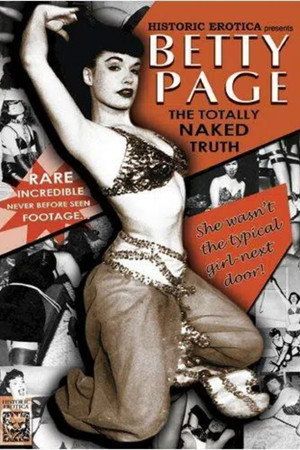
bettie page documentary
A documentary looking at the sex revolution movement that highlights famous modern day Playmates. Pin-up gals, of the 1960's era to modern day, ironically revealed as never before. Behind the glare of the camera, success develops into family controversy as conflict abounds.
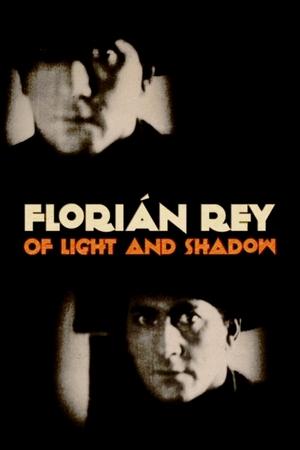
The life and professional career of the Spanish filmmaker Florián Rey (1894-1962), a brilliant artist who began his career in silent films and had great commercial success during the Second Republic (1931-1936): a journey to the early days of Spanish cinema.
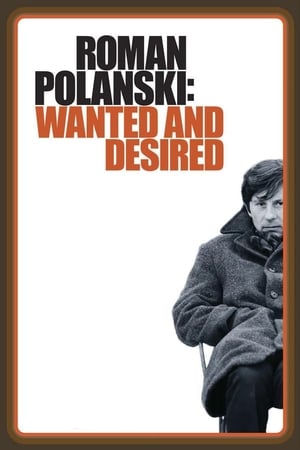
Examines the public scandal and private tragedy which led to legendary director Roman Polanski's sudden flight from the United States.
Chronicles the rise and fall of 1970s New York City nightclub Plato's Retreat.
Television documentary about the making of Roman Polanski's 1979 film, Tess.
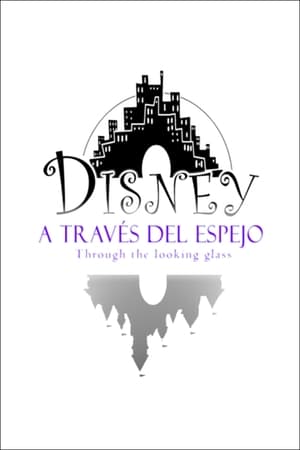
Tito del Amo, a passionate 72-year-old researcher, takes the final step to unravel the enigma about the alleged Spanish origin of the American cartoonist Walt Disney, making the same journey that his supposed mother made to give him up for adoption in Chicago. A journey that begins in Mojácar, Almería, Spain, and ends in New York. An exciting adventure, like Alicia's through the looking glass, to discover what is truth and what is not, with an unexpected result.
For three years, Vincent Lindon recorded himself on his iPhone to document his insecurities, fears and fits of rage as if in a diary. Thierry Demaizière and Alban Teurlai use these unique recordings to paint an unusual portrait of the actor, who openly addresses personal questions about his profession, his age and his emotions.
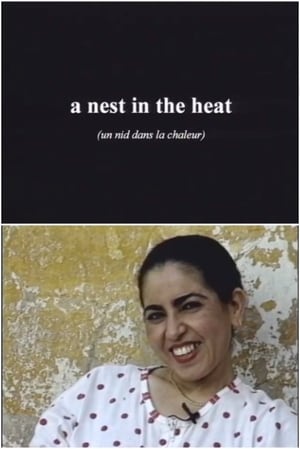
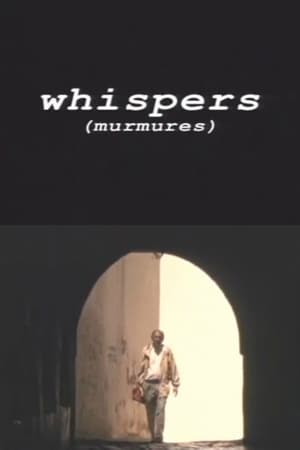
As director Hakim Belabbes chronicles his journey from his home in Chicago to visit his family in his hometown of Boujad in Morocco, his exploration of family relationships is self-conscious and at times painfully honest. We witness his most private moments with his family. The film intimately explores the domestic spaces and religious rituals of intra-family relationships, especially when compounded by one member's break with traditional values.
Caught between chasing his past and accepting his impending end, a man follows his childhood memories through the dark alleyways and desolate cemeteries of Boujad, Morocco.
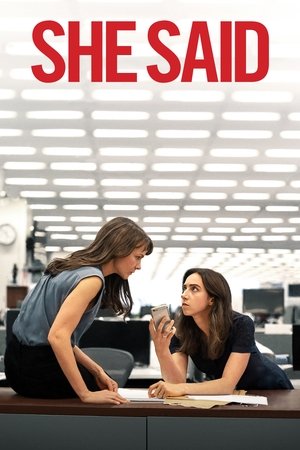
New York Times reporters Megan Twohey and Jodi Kantor break one of the most important stories in a generation — a story that helped launch the #MeToo movement and shattered decades of silence around the subject of sexual assault in Hollywood.
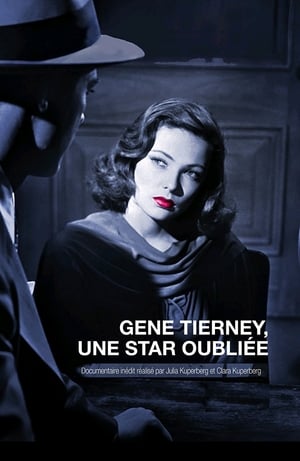
Martin Scorsese is among those paying tribute to Gene Tierney, the Academy Award-nominated American actress who was a leading lady in Hollywood throughout the 1940s and '50s.
This short travelogue depicts snippets of locations in Hollywood, California, most of them as seen from the streets. Considerable time is taken showing the kinds of architecture of private homes. There are images of various important buildings, and a depiction of the Hollywood Bowl. Finally, there is a sequence revolving around the premiere of the film “Dirigible” (1931) at the famed Chinese Theatre.
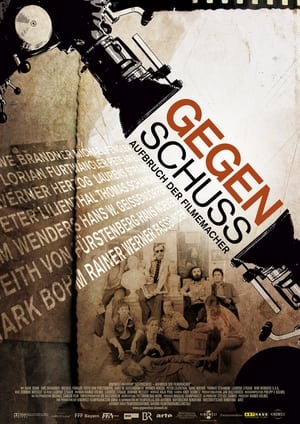
Documentary about filmmakers of the New German Cinema who were members of the legendary Filmverlag für Autoren (Film Publishing House for Authors). Among them are Werner Herzog, Rainer Werner Fassbinder, and Wim Wenders.
Documentary about the work of film director Michael Curtiz.
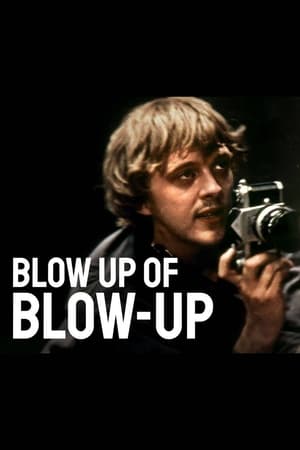
Documentary about Michelangelo Antonioni's 1966 film.
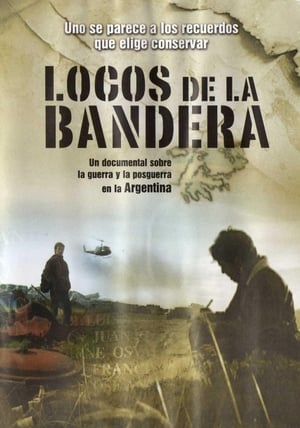
The story of the relatives of the 649 Argentine fallen in the Malvinas War, who as soon as the military conflict ended, found themselves alone with their pain and prevented from approaching the grave of their loved ones, either because their bodies were left in the Cemetery of Darwin, in the Malvinas, or because they disappeared without being identified.
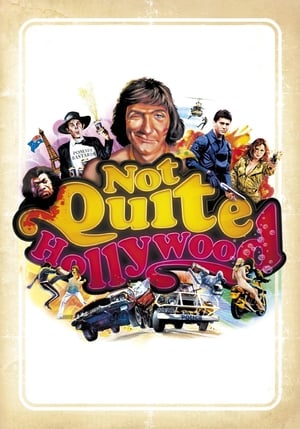
As Australian cinema broke through to international audiences in the 1970s through respected art house films like Peter Weir's "Picnic At Hanging Rock," a new underground of low-budget exploitation filmmakers were turning out considerably less highbrow fare. Documentary filmmaker Mark Hartley explores this unbridled era of sex and violence, complete with clips from some of the scene's most outrageous flicks and interviews with the renegade filmmakers themselves.